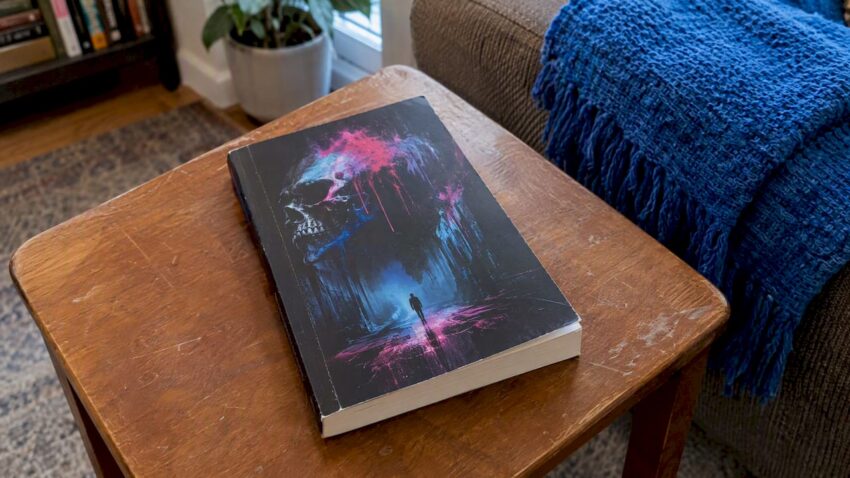
“Stories of a Condemned Soul” is a chilling, character-driven collection that delivers morally thorny supernatural tales with real emotional weight. We recommend it for readers who want psychological horror built on grief and consequence rather than jump scares, and the book is accessible to readers with a Kindle Unlimited subscription.
TL;DR:
- Jon Jacob, grieving his daughter’s death, accepts the Salesman’s offer of revenge through a contract that trades power for a cost beyond money.
- The collection builds dread through gradual reveals and small moral compromises, while violence remains secondary and the resolution favors emotional closure over a twist.
- Amazon lists a 4.6 average rating from 20 reviews, and readers can sample opening chapters or choose ebook and paperback formats.
- Several characters discover that guilt, rather than an external monster, drives the damage, while the Salesman embodies agency and consequence more than pure evil.
Table of Contents
- A Grieving Father Faces a Devil’s Bargain
- Revenge, Guilt, and the Price of a Soul Contract
- How Connors Builds Character-Driven Dread
- Pacing, Mood, and Who Should Pick This Up
- Reader Ratings and Where to Find the Book
- Where to Read More Dark Supernatural Fiction
- Why This Book Exists in Our Catalog
- FAQ
- Sources
A Grieving Father Faces a Devil’s Bargain
The story follows Jon Jacob, a father undone by his daughter’s death, who is approached by a mysterious figure known as the Salesman offering him a path to revenge. The Amazon product page for Stories of a Condemned Soul describes a contract that manipulates souls, trading power for something far more costly than money. The setting leans on quiet, haunted spaces where grief festers into something darker, and the tone stays somber rather than gory.
A few things to know before you start:
- The premise centers on loss, not combat or chase sequences.
- The Salesman’s contract drives most of the moral conflict.
- We’ve kept this summary spoiler-free; the thematic sections below discuss consequences in general terms only.
If you prefer to go in cold, the setup above is all you need before the deeper analysis.
Revenge, Guilt, and the Price of a Soul Contract
Revenge in this collection isn’t a clean payoff. It’s a transaction with hidden fine print, and the narrative treats every act of vengeance as a debt that compounds. Jon Jacob’s bargain with the Salesman functions less like a plot device and more like a mirror held up to anger itself: what does a grieving person actually want, and what does getting it cost them?
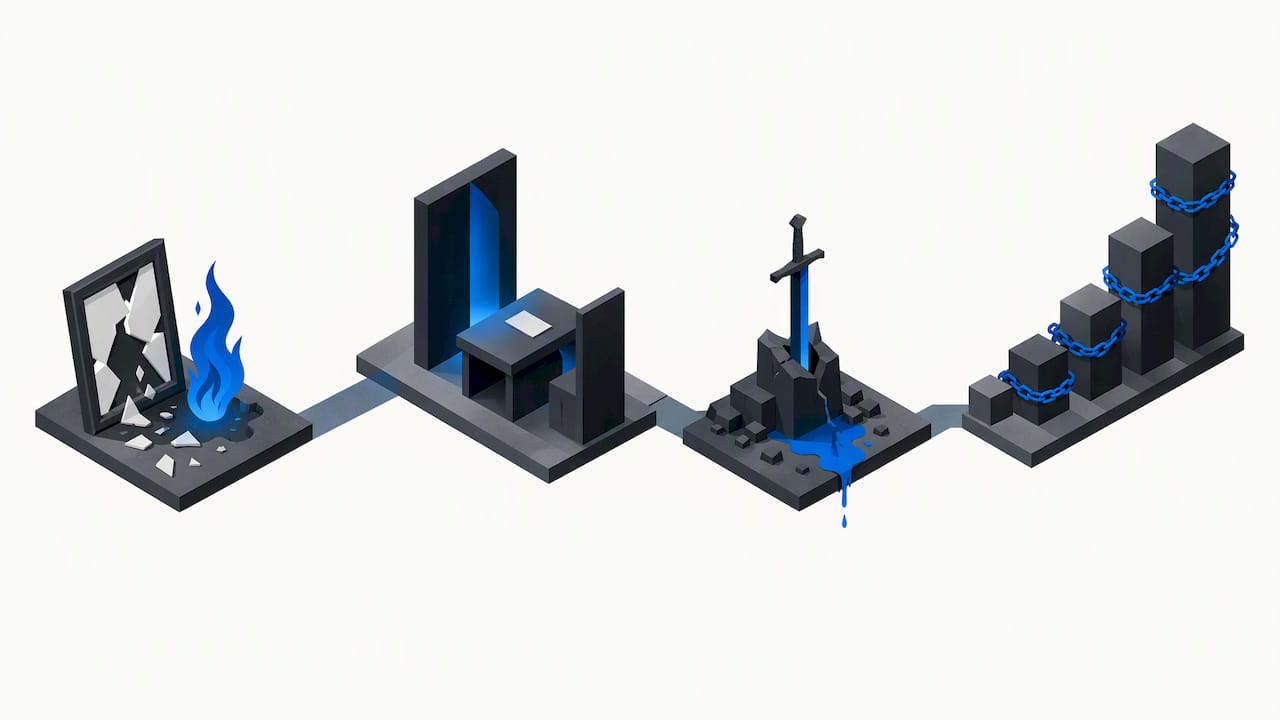
Guilt follows close behind. Characters who pursue revenge often find themselves tested by the very thing they thought would bring relief, and redemption, when it appears, feels earned rather than handed over. The bargain motif has deep roots in literature. Scholarly commentary on bargains and moral consequence in works like Dante’s Comedy shows how deals with dark powers have long served as vehicles for examining corruption and consequence rather than simple spectacle.
What stands out across the collection:
- Revenge is framed as a choice with lasting psychological cost, not a triumphant climax.
- Guilt operates as the real antagonist for several characters.
- The Salesman represents agency and consequence more than pure evil.
Pro Tip: Read this one slowly. The emotional payoff depends on sitting with the discomfort rather than rushing to the next twist.
How Connors Builds Character-Driven Dread
Character work is where this collection earns its keep. Jon Jacob reads as a believable man in crisis, not a vehicle for plot mechanics, and his emotional stakes feel grounded even as the supernatural elements escalate. The author’s site frames this emphasis on rich character development and intricate plots as a signature across the catalog, and that proof point holds up here: the horror lands because we care about the person experiencing it.
The prose favors mood over flash. Sentences build atmosphere through restraint, letting dread accumulate in small, specific details rather than loud set pieces. Pacing decisions support this: reveals come gradually, giving readers time to sit with each consequence before the next one lands.
The deeper psychological monsters within us are harder to escape than anything supernatural.
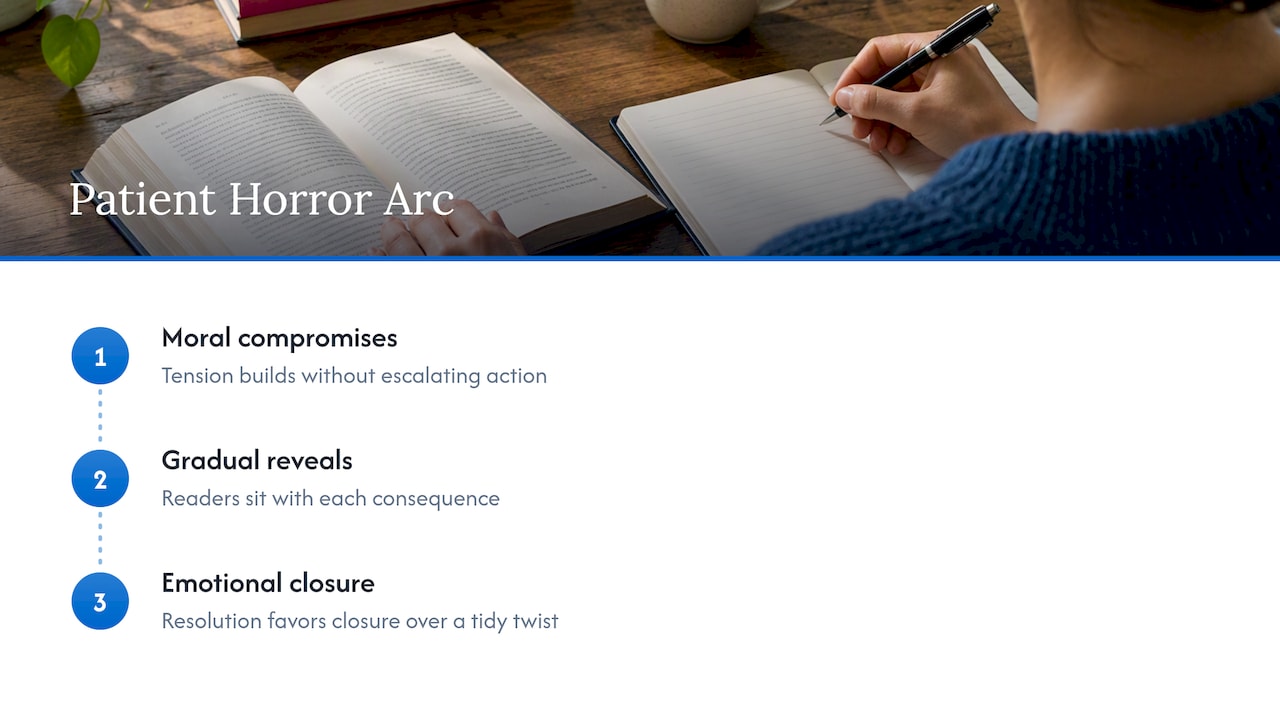
Plot construction follows a patient arc. Tension builds through small moral compromises rather than escalating action, and the resolution favors emotional closure over a tidy twist. Readers who enjoyed the dystopian dread of The Nether or the slow-burn horror of Evolution A200: A Bubonic Apocalypse will recognize the same patient hand at work, with psychological horror taking precedence over gore in each.
Pacing, Mood, and Who Should Pick This Up
The pacing favors reflection over momentum. Scenes escalate gradually, giving the moral weight of each decision room to breathe before the next consequence arrives. The overall mood stays somber and tense, closer to a slow-building dread than a jump-scare rhythm.
A few things worth knowing before you dive in:
- Grief and loss are central themes throughout, handled with weight rather than sentimentality.
- Moral ambiguity runs through nearly every major choice characters make.
- Violence exists but stays secondary to psychological tension.
- The book fits readers who enjoy moral-ambiguity fiction and character-driven psychological horror over fast-paced thrillers.
If you gravitate toward stories that ask what you’d sacrifice for the people you love, this collection sits squarely in your lane.
Reader Ratings and Where to Find the Book
The Amazon listing for Stories of a Condemned Soul shows a 4.6 average rating from 20 reviews, a solid signal for a character-focused horror collection in a crowded genre. The book is available in both ebook and paperback formats, and it’s included for Kindle Unlimited subscribers at no added cost.
Here’s how to get started:
- Check the Kindle preview on the product page to sample the opening chapters before buying.
- Read for free through Kindle Unlimited if you already subscribe.
- Purchase the ebook or paperback directly if you prefer to own a copy outright.
Readers who want a broader view of similar titles before committing can also browse curated psychological horror lists with chapter previews for comparison.
Where to Read More Dark Supernatural Fiction
We write stories built around grief, guilt, and the cost of the choices people make when they’re desperate, and this collection sits comfortably inside that larger catalog. If this book resonated, the rest of our work follows the same thread: character-driven horror that lingers past the last page.
A few places to start:
- Browse the full books category to see every title, including The Nether Series and EA200 Series.
- Visit the Stories of a Condemned Soul book page for synopsis details and buy links.
- Many titles are available for Kindle Unlimited subscribers to read without additional cost.
- New to our catalog? Start with our dark supernatural thrillers for a guided entry point.
Why This Book Exists in Our Catalog
We write these stories to explore the psychological monsters that outlast any supernatural threat, grief, guilt, and the bargains people make when they’re out of options. This collection sits naturally beside The Nether and Evolution A200, each one circling the same question from a different angle: what does a person become once they’ve crossed a line they can’t uncross? We’d genuinely like to hear which character stayed with you longest.
— Nathaniel
FAQ
What is Stories of a Condemned Soul about?
The book follows Jon Jacob, a grieving father offered a revenge bargain by a mysterious figure called the Salesman, whose contract manipulates souls. It explores grief, guilt, and the cost of vengeance through a character-driven psychological horror lens.
Is Stories of a Condemned Soul available on Kindle Unlimited?
Yes, the book is available to Kindle Unlimited subscribers at no added cost, alongside ebook and paperback purchase options. You can sample the Kindle preview on the Amazon product page before deciding.
What rating does Stories of a Condemned Soul have?
The Amazon listing shows a 4.6 average rating from 20 reviews. That’s a strong reception signal for a character-focused psychological horror collection.
How does this book compare to The Nether or Evolution A200?
All three share recurring themes of grief, guilt, and moral consequence, though each explores them through a different supernatural or dystopian lens. Readers who enjoy one will likely recognize the same patient, character-driven approach in the others.
Who will enjoy Stories of a Condemned Soul?
Readers who prefer psychological horror and moral-ambiguity fiction over fast-paced action horror will find the pacing and themes rewarding. It suits anyone drawn to stories about grief, consequence, and the price of revenge.