
A book hangover is the lingering emotional pull of a story after you’ve finished it, the kind that leaves you staring at your bookshelf unable to commit to anything new. It shows up as rumination on characters, a flat or wistful mood, and a strange reluctance to start the next book on your list. It’s a normal reaction to deep emotional engagement with fiction, and it usually fades faster once you understand what’s actually happening in your head.
TL;DR:
- Most hangovers last a few hours to two days and are usually triggered by emotional investment in emotional or open-ended stories.
- Longer-lasting effects, often weeks, indicate themes that resonate personally or unresolved feelings that may benefit from professional support.
- Coping strategies include choosing contrasting genres, discussing the book, or journaling themes, with deeper reflection reserved for persistent or heavy feelings.
- Book hangovers reflect deep narrative transport and empathy, which can extend as ongoing psychological work or growth rather than mere post-reading blues.
- Engaging further with dark or morally complex books can deepen the emotional processing and turn lingering feelings into meaningful insights.
Table of Contents
- What A Book Hangover Feels Like: Symptoms And Signs
- Why Book Hangovers Happen: The Psychology Behind Them
- How Long A Book Hangover Lasts (And When It Means More)
- Coping Strategies That Actually Help You Move On
- The Upside: When A Book Hangover Signals Growth
- Why Dark Fiction Hits Harder: A Note From Nathaniel
- The Part Of This Advice People Get Wrong
- If You Want More Of That Mood: Curated Reads From Nathaniel Connors
- Sources
What A Book Hangover Feels Like: Symptoms And Signs
You know it when it hits: the last page closes and something in you refuses to move on. The symptoms cluster in a few predictable ways, and recognizing them helps you name what’s happening instead of just feeling vaguely off.
- Trouble picking up a new book, or picking one up and putting it down repeatedly
- Persistent, intrusive thoughts about characters or the fictional world
- A mood dip, wistfulness, or a sense of grief for something that wasn’t real
- Daydreaming about alternate endings or “what happened next”
- Pulling back socially, wanting quiet time to sit with the feeling
Genre and ending style change the intensity. A tightly closed standalone novel tends to produce a shorter, sharper wave of feeling; you grieve, then move on. A series finale or an open-ended cliffhanger is different territory. BookBub’s rundown of common hangover signs notes that series endings and intensely emotional reads consistently produce the strongest reactions, because you’re not just losing one story, you’re losing a world you’ve lived in across multiple books.
Why Book Hangovers Happen: The Psychology Behind Them
The mechanism has a name: narrative transportation. It describes what happens when your attention, emotions, and mental imagery all converge on a story so completely that you lose track of time and start responding to fictional events as if they carry real emotional weight. Research published in PLOS One frames transportation as a convergent process, not a passive one. Your brain isn’t just watching the story unfold. It’s actively building and inhabiting it.
That immersion doesn’t switch off the moment you close the book. If you spent ten hours inside a character’s perspective, feeling their fear, their guilt, their small victories, your nervous system doesn’t get a memo that the story is over. The emotional residue lingers because the engagement was never passive to begin with.
There’s also an empathy component. Fiction reading has been linked to short-term boosts in empathy and theory-of-mind processing, the mental work of imagining what someone else is thinking or feeling. When a book forces you to sit inside a mind very different from your own for hundreds of pages, that perspective-taking muscle gets a real workout, and it doesn’t relax instantly just because you’ve reached the final chapter.
Maja Djikic, PhD, offers one of the clearest explanations of why this lingers. She describes book hangovers as a form of sadness at losing characters or a fictional world you’d grown attached to, and notes that when the reaction is especially intense, it can mean the book’s themes are still active somewhere in your psyche, still being processed. That’s a meaningfully different framing than “you’re just sad it ended.” It suggests your mind is doing ongoing work.

Journalistic coverage backs up the everyday version of this. VICE’s reporting on the phenomenon describes the lingering reaction as something close to grief, driven by how much emotional investment the reader put into the story in the first place. Think about the last time a side character died and you had to put the book down for a minute. That’s transportation and empathy working together in real time, and the hangover is just that same mechanism refusing to shut off on schedule.
How Long A Book Hangover Lasts (And When It Means More)
For most readers, the fog lifts within a few hours to a couple of days. You finish the book, feel unmoored, maybe reread a chapter or vent to a friend, and then naturally drift toward something new.
Longer hangovers, stretching into weeks, usually mean the book hit something personal. Unresolved grief, a relationship parallel, or a theme that echoes your own life can turn a story reaction into genuine reflection rather than simple post-book blues. That’s not automatically a problem.
It’s worth paying attention, though, if the low mood starts interfering with sleep, work, or relationships, or if it doesn’t budge after a few weeks. At that point you’re likely dealing with something the book surfaced rather than something the book caused, and it’s reasonable to talk to a professional about what’s underneath it.
Coping Strategies That Actually Help You Move On
Not every recovery tactic works for every hangover, but there’s a rough order of operations that tends to work, starting with the lowest-effort options and building toward deeper processing if the feeling won’t quit.
- Pick a contrasting book. If you just finished a slow, devastating literary novel, don’t reach for another one. A fast-paced thriller or a different genre entirely resets your attention instead of competing with what you just read.
- Reread your favorite passages. Going back to a scene you loved, rather than the whole book, gives you closure without dragging the process out.
- Talk about it. Reader surveys and book-club advice compiled by Reader’s Digest consistently point to discussion as one of the most effective coping steps: texting a friend, posting in an online group, or recommending the book to someone else extends the enjoyment instead of just mourning its end.
- Journal about the themes. Writing down what the book made you think about, rather than just what happened in it, converts rumination into something more productive.
- Create a closing ritual. Some readers keep a running list of favorite quotes or a one-line review for every book they finish. It’s a small act that signals to your brain: this one is filed away now.
Sequence matters. Try the low-effort options first, a contrasting book or a conversation, before assuming you need deep reflection. Save the journaling and thematic processing for hangovers that don’t fade after a day or two.
Pro Tip: When picking your next read, choose a “bridge” book with a different tone but a similar pace to the one you just finished. Jumping from a slow-burn tragedy to a chaotic action novel can feel jarring, but a book with comparable rhythm and lower emotional stakes eases the transition without forcing you to abandon the mood entirely.
The Upside: When A Book Hangover Signals Growth
Not every hangover is something to shake off. Djikic’s research ties deep narrative engagement to real perspective-taking, and the temporary empathy boost that comes from transportation doesn’t have to be wasted once the story ends.
If a book keeps surfacing in your thoughts, treat that as a prompt rather than a nuisance. Sketch the book’s central themes into a reading journal. Seek out a nonfiction title on the subject the novel raised, whether that’s grief, moral compromise, or survival under pressure. Some readers find their actual behavior shifts, more patience with a difficult family member, a new interest in a topic they’d ignored. A hangover that won’t quit might just be your mind asking for more time with an idea worth keeping.
Why Dark Fiction Hits Harder: A Note From Nathaniel
Dark supernatural fiction tends to produce unusually stubborn hangovers, and I think that’s by design rather than accident. When a story asks you to sit with guilt, revenge, or the parts of a character that mirror something uncomfortable in yourself, the emotional transportation goes deeper than plot. You’re not just watching events happen. You’re recognizing something.
If a book leaves you unsettled for days, try this: write down the one moment that stuck with you and ask what it’s actually reminding you of. That’s usually where the real story is.
The Part Of This Advice People Get Wrong
Most coping lists treat the book hangover like a problem to solve fast, get over it, pick a new book, move along. That misses the point for a meaningful share of readers. If Djikic’s research is right that intensity often reflects how active a book’s themes still are in your mind, then rushing past that reaction throws away useful information.
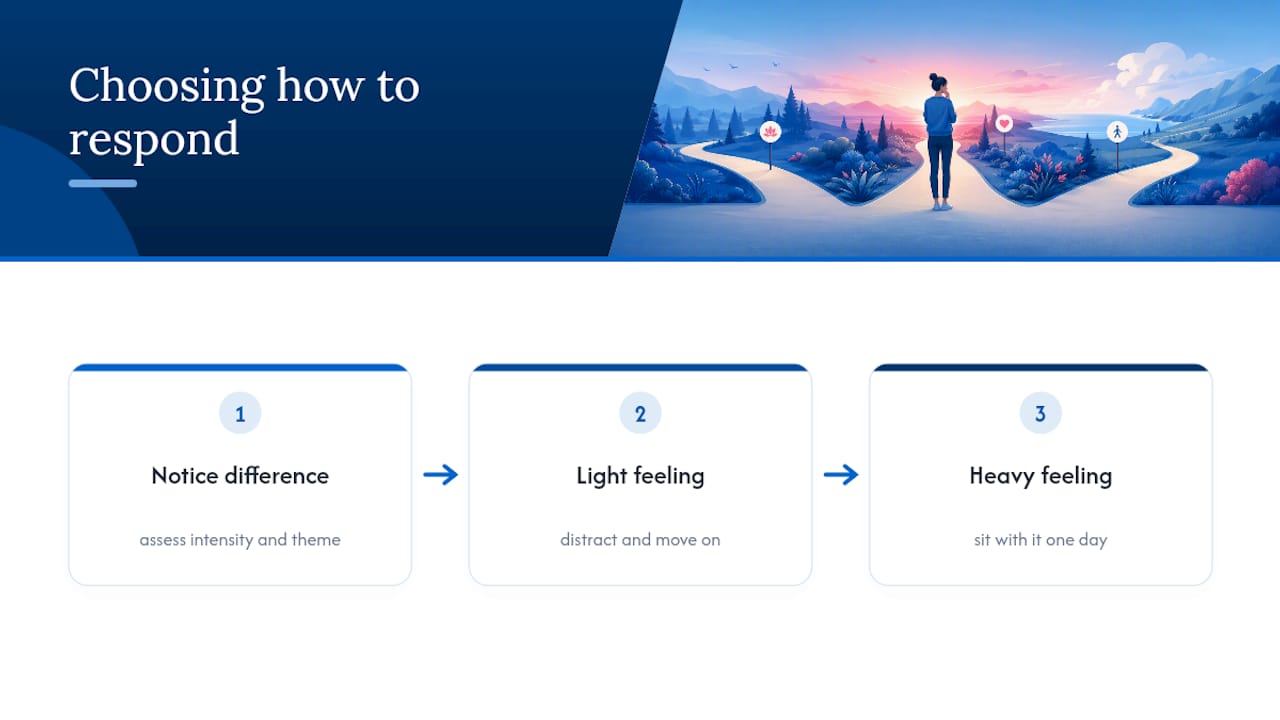
The conventional advice isn’t wrong, exactly. A contrasting book or a conversation with a friend genuinely helps most hangovers, and you should try those first. Where it falls short is treating every lingering feeling as equally shallow. A three-hour funk after a fun thriller and a two-week preoccupation after a book that mirrored your own grief are not the same event, and they don’t deserve the same fix.
Prioritize this: notice the difference before you reach for a distraction. If the feeling is light, distract yourself and move on. If it’s heavy, sit with it for a day before you force yourself into the next book. That distinction is the entire difference between coping and actually learning something from what you read.
— Nathaniel
If You Want More Of That Mood: Curated Reads From Nathaniel Connors
If your hangover came from a story that got under your skin, staying in that emotional register for a bit longer, rather than fighting it, is often the better move. A few paths worth trying:
- Browse The Best Dark Supernatural Books for Readers Who Want Real Dread for titles built on the same slow, psychological unease that produces the strongest hangovers.
- If you’re not sure whether you want another straight horror read or something more morally tangled, Grimdark vs Horror: How to Tell the Difference will help you pick your next mood deliberately instead of by accident.
My own novels, including The Nether, Stories of a Condemned Soul, and Evolution A200: A Bubonic Apocalypse, are built around exactly the kind of guilt, revenge, and psychological reckoning that tends to leave readers sitting with a book long after the last page. All three are free to read through Kindle Unlimited, so you can sample a full novel without committing to a purchase first. If you’re already deep in a hangover from something dark and immersive, that’s usually the best time to lean into another one rather than forcing yourself toward something lighter. Start with a sample chapter and see whether the world pulls you in the same way.