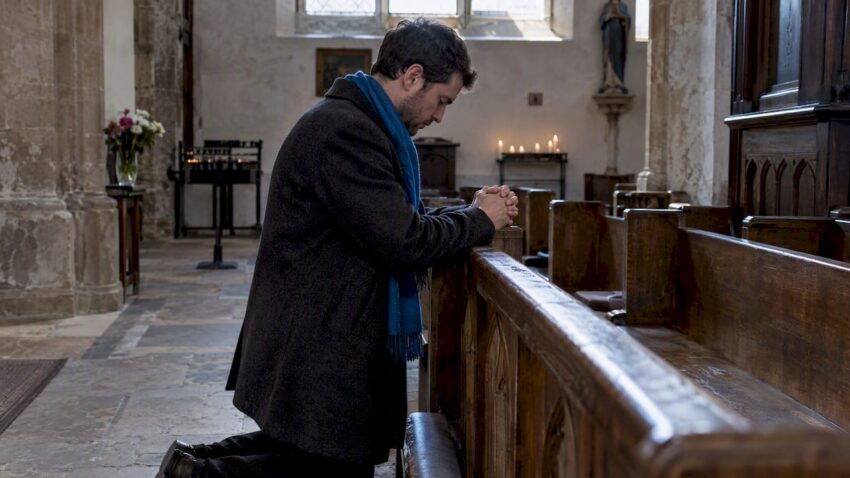
Redemption in horror is the genre’s staging of moral atonement, a trial that costs a character dearly before it restores their agency or humanity. Scholars tracing the genre’s night-journey structure show that horror rarely hands redemption to its characters. It can make characters earn redemption through the story’s trials.
TL;DR:
- Build redemption through isolation, temptation, and an irreversible choice; the ordeal must expose moral agency rather than simply punish the character.
- Make the character pay a tangible cost, such as losing a relationship or belief, and let a pressured choice, not a later speech, confirm change.
- Match the redemption conflict to the subgenre: ghosts center memory and unfinished obligations, possession raises cosmic evil, and vampire stories negotiate reclaimed humanity.
- Zombie narratives can measure redemption in an individual or community, while horror’s unresolved endings may preserve guilt instead of granting clean closure.
- Horror can prompt readers to reconsider ideas about guilt and normality by aligning them with perpetrators, making discomfort part of its ethical effect.
Table of Contents
- What redemption means in horror: theological and ethical framing
- How redemption functions as a narrative arc: trials, aporia, and moral agency
- Motifs and subgenres that stage redemption
- What readers take away: catharsis, transformative learning, and moral reflection
- Practical craft guidance: how writers make redemption feel earned
- Suggested readings and canonical examples for readers and close readers
- Author perspective: why redemption matters to my work
- Looking for more fiction about guilt and redemption
- FAQ
- Sources
What redemption means in horror: theological and ethical framing
Horror did not invent the language of sin, atonement, and sacrifice, but it has leaned on that language since the Gothic novel took shape. Research into the genre’s roots finds that theological tropes including sin, redemption, apocalypse, heaven, and hell have remained foundational to Gothic and horror fiction from the eighteenth century onward. That inheritance gives horror a ready-made vocabulary for moral crisis: a character does not simply make a mistake, they transgress, and the story measures what it takes to set that transgression right.
This framing explains why horror so often resists a tidy resolution. Analysis of the genre’s theological undercurrents notes that horror can intensify moral perception by tying haunting to repentance and memory rather than offering a clean resolution to a character’s guilt. A ghost that lingers, a debt that outlives the person who incurred it: these images work because they keep moral obligation alive past the point most stories would close the books.
A few threads recur across this scholarship:
- Sin and sacrifice function as structural hinges, not just ornament.
- Memory keeps a character’s guilt active long after the original act.
- Unresolved obligation often matters more to the story than a final verdict.
How redemption functions as a narrative arc: trials, aporia, and moral agency
Horror tends to borrow the shape of an ancient rite of passage. Scholarship on the genre’s “night-journey” pattern describes characters who face isolation, terror, and temptation and emerge integrated and empowered on the other side. The monstrous ordeal is not an obstacle to the character’s growth, it is the mechanism of it.

Forgiveness inside that ordeal often works through paradox. Research into vampire fiction and related narratives describes an “aporia of forgiveness”: forgiveness becomes conceivable only at the moment it seems impossible, which is why horror’s redemption scenes so often arrive at the character’s lowest point rather than their most heroic one.
Stephen King’s fiction offers a clear working example of what makes that moment credible. Research on his novels finds that moral survival depends on a character’s clear-eyed knowledge of the dark side of human nature and a firm grasp of their own moral agency, confronting evil with that knowledge rather than despite it.
Put together, the arc tends to move through a recognizable sequence:
- The character is forced into isolation or confrontation with the monstrous.
- Temptation or despair tests whatever convictions they still hold.
- A choice, often irreversible, reveals their actual moral agency.
- Integration or ruin follows, depending on what that choice cost them.
Motifs and subgenres that stage redemption
Different horror monsters stage different moral problems, and the subgenre often determines what kind of redemption is even available. Ghost stories tend to center on memory and unfinished business. Research on theological approaches to horror finds that ghost narratives offer opportunities to reflect on memory, guilt, injustice, and unresolved moral obligation, which is why a haunting so often reads as a debt rather than a threat.
Possession and exorcism push the moral stakes to a cosmic scale. The same research notes that works in this mode tie explicitly to doctrinal themes of evil, temptation, and conflict, turning a single character’s crisis into a confrontation between opposing forces.
Vampire and zombie narratives split the question of redemption between the individual and the collective:
- Vampire stories frequently dramatize redemption as reclaiming humanity from a monstrous side the character cannot fully disown.
- Zombie narratives can explore redemption at the level of the individual or the community.
- Ghost and possession stories keep the focus on an individual’s unresolved guilt, even when a wider community is threatened.
What readers take away: catharsis, transformative learning, and moral reflection
Horror’s effect on readers rarely matches the word “entertainment” in any simple sense. A scholarly analysis of the genre’s educative value argues that consuming horror can produce “transformative learning,” a nonhedonic value in which disturbing material forces readers to revise existing perceptions of madness, normality, or guilt itself. That is a different kind of payoff than pleasure, and it is one reason redemption arcs in horror linger with readers long after a tidier genre’s resolution would have faded.
Part of that effect depends on a particular discomfort: horror frequently puts readers inside the perpetrator’s experience rather than the victim’s. Commentary on psychological horror observes that the genre is fundamentally concerned with guilt, often aligning the audience with the perpetrator to force ethical engagement rather than simple fear. The discomfort is the point: readers are not meant to feel safe inside a redemption arc, they are meant to feel implicated in it.
Practical craft guidance: how writers make redemption feel earned
Earned redemption follows a recognizable shape, and writers who skip steps tend to produce arcs that feel sentimental rather than credible. Drawing on the night-journey pattern and the aporia of forgiveness, a workable sequence looks like this:
- Confrontation: the character meets the monstrous, literal or psychological, and cannot look away from it.
- Trial: isolation or temptation strips away whatever defenses protected their self-image.
- Cost: the character loses something real, a relationship, a belief, a version of themselves, in exchange for clarity.
- Transformation: the choice they make under pressure becomes the redemption, not a speech about it afterward.
A few levers make that sequence land:
- Make the cost tangible. Redemption that costs nothing reads as convenient rather than earned.
- Give the character real moral agency. A redemption forced by circumstance feels hollow next to one chosen under pressure.
- Decide how much ambiguity the ending can hold. Horror often resists a clean resolution, and forcing one can undercut the theme.
- Use a ritual or symbolic moment (a confession, a burial, a return to a specific place) to mark the turn without over-explaining it.
Pro Tip: Let the reader doubt the redemption is real until the character’s final choice confirms it; certainty too early flattens the tension.
For writers who want a closer breakdown of this sequence, we have expanded it into a full seven-stage framework for writing redemption arcs, along with notes on the different types of guilt that drive these characters and how to make a guilt-ridden character believable without naming the guilt outright.
Suggested readings and canonical examples for readers and close readers
Each model of redemption rewards a slightly different kind of attention. A short list, organized by the mechanism each example demonstrates:
- Ghost-centered stories: watch for how memory and unfinished business function as a debt rather than a scare.
- Possession and exorcism narratives: track the shift from personal guilt to cosmic confrontation, and what ritual does to resolve it.
- Vampire fiction: follow how the character’s monstrous side and human side negotiate for control.
- Zombie and outbreak fiction: notice whether redemption is measured at the level of the individual or the surviving community.
For a broader shelf of titles built around earned endings, we have compiled a curated list of redemption-arc books worth close reading, and readers who want chapter previews before committing can also browse survival horror picks from a partner collection.
Author perspective: why redemption matters to my work
I write dark supernatural fiction because guilt rarely resolves the way people expect it to, and horror is the genre most willing to sit inside that mess without rushing toward comfort. In fiction, I find it compelling when characters confront what they have done rather than explain it away. That is the same structure the scholarship above describes: trial, cost, and a choice that cannot be undone. I find it more honest than a redemption that arrives for free.
— Nathaniel
Looking for more fiction about guilt and redemption
If this theme stays with you after finishing an article, our novels are built around the same questions: what a character owes, what it costs to pay it, and whether they come out the other side intact. Readers can explore two ongoing lines:
- The Nether Series, a line of dystopian horror fiction.
- EA200 Series, including Evolution A200: A Bubonic Apocalypse.

Browse the full books category to find where to start, or go directly to The Nether if dystopian horror with a redemption thread is what drew you here.
FAQ
What does redemption mean in horror fiction?
Redemption in horror describes a character’s path toward atonement or moral reintegration after confronting guilt, sin, or a monstrous ordeal. It is typically earned through a night-journey structure of isolation, temptation, and transformation rather than granted freely.
Why do horror stories focus so much on guilt?
Horror frequently aligns readers with the perpetrator’s perspective rather than the victim’s, which forces ethical engagement with guilt instead of simple fear. That alignment is part of what makes redemption feel personal rather than abstract.
How is redemption different across horror subgenres?
Ghost stories tend to stage redemption around memory and unfinished business, while possession narratives escalate the conflict to a cosmic scale tied to doctrinal themes of evil and temptation. Vampire fiction, by contrast, often frames redemption as reclaiming humanity from within.
Can horror actually change how readers think, or is it just entertainment?
Scholarly analysis of horror’s educative value argues that the genre can produce transformative learning, where disturbing material forces readers to revise their existing perceptions. That effect is closer to discomfort than enjoyment, but it can reshape how readers think about guilt and moral failure.
Does Nathaniel Connors write redemption arcs in his books?
Readers can explore Connors’s Nether Series and EA200 Series on the books category page. Readers can browse both lines on the books category page.
Sources
- Academia
- Monsters and Mayhem: Physical and Moral Survival in Stephen King’s Universe
- Dewey, Foucault, and the Value of Horror: Transformative Learning through Reading Horror Fiction | Journal of Aesthetic Education | Scholarly Publishing Collective
- Fear, Formation, and the Dark Transcendent: Two Theological Approaches to Horror