
This page gives you a ready-to-use set of book club questions and facilitation notes for Evolution A200: A Bubonic Apocalypse. Use the core question set below for a tight 60-minute meeting, or add the thematic and character clusters for a fuller 90-minute session. For author context and the full synopsis, see the official book page.
TL;DR:
- The novel’s pacing accelerates after the outbreak begins, highlighting the shift from initial calm to chaos as conditions worsen.
- Characters face moral compromises that are often justified by their circumstances, but some decisions reflect deep internal guilt or betrayal.
- Trust breakdowns significantly influence character choices, with suspicion and betrayal shaping survival strategies and moral boundaries.
- The book’s themes of guilt, revenge, and redemption are central and recur across Connors’s work, framing the outbreak as both literal and metaphorical.
- The book contains adult themes of violence, death, and illness, which should be flagged for sensitive readers before discussion.
Table of Contents
- 1. Core discussion questions for your meeting
- 2. Thematic prompts for a deeper discussion
- 3. Character questions and a hot-seat activity
- 4. Quotes and passages worth reading aloud
- 5. How to run a focused 60 to 90 minute meeting
- 6. Why Nathaniel Connors’s background shapes these questions
- 7. Where to find the book and share this guide with your club
- FAQ
- Sources
1. Core discussion questions for your meeting
Run these in order and you will cover plot clarity, interpretation, and reflection without losing momentum. Start with the comprehension questions so everyone is working from the same facts, then move into the interpretive cluster where most of your meeting time should go.
- What event sets the outbreak in motion, and how does the novel’s pacing change once the apocalypse begins?
- Which character’s choices surprised you most in the first third of the book?
- How does the setting shift the mood of the story as conditions worsen?
- What does survival cost each of the main characters by the book’s midpoint?
- Where do you see guilt operating as a motive rather than just an emotion?
- Does the novel treat the plague as a literal threat, a metaphor, or both? What is your evidence?
- How does Connors use pacing to control tension in the quieter chapters versus the outbreak scenes?
- Which moral compromises feel justified given the circumstances, and which do not?
- What role does trust, or the breakdown of it, play in how characters make decisions?
- Did any character’s arc feel like redemption, punishment, or something else entirely?
- How does the ending reframe earlier events you thought you understood?
- If you had to summarize the book’s central question in one sentence, what would it be?
- What would you want to ask Connors directly about this book?
- Which scene would you want to reread knowing how the story ends?
- What similar novel would you recommend next to someone who finished this one?
2. Thematic prompts for a deeper discussion
Pick one or two clusters rather than all of them if your meeting runs an hour. Each cluster works best with a short passage reread before the prompts.
- Plague as metaphor: Ask what the outbreak represents beyond a literal disease, and where the text supports that reading.
- Guilt and complicity: Ask which characters carry guilt they never name out loud, and how that silence shapes their choices.
- Survival ethics: Ask whether the book presents survival as morally neutral or as something that corrupts.
- Pacing and dread: Ask how the slow build in early chapters changes the impact of later events; our slow-burn horror piece breaks down this technique if your group wants more on craft.
- Isolation versus community: Ask whether characters fare better alone or in groups, and what the novel seems to argue about that.
Pro Tip: Reread the scene tied to your chosen theme out loud before opening the floor. It resets the room’s memory and keeps the conversation anchored to the text instead of general impressions.
3. Character questions and a hot-seat activity
Spend five to eight minutes per major character before moving to the activity.
- For the protagonist: What does this character want at the start, and how does that goal change by the end?
- For a secondary survivor: Where does this character cross a line they said they never would?
- For any antagonist or rival figure: Is this character’s logic internally consistent, even when it is unsettling?
- For the narrator, if unreliable: What does the narration leave out, and why might that omission matter?
Try a hot-seat activity: one member answers questions in character for five to ten minutes while the group presses on motivations and blind spots. It works especially well for characters whose moral reasoning splits the room, since it forces the group to argue the character’s logic rather than just react to it.
4. Quotes and passages worth reading aloud
Choose two or three of these rather than reading all of them; save time for discussion after each.
- A line describing the first confirmed outbreak: ask what tone the author sets at that moment and whether it matches what follows.
- A passage where a character rationalizes a hard choice: ask whether the reasoning holds up under pressure.
- An exchange between two survivors near the midpoint: ask what it reveals about trust breaking down.
- A quiet, reflective passage before a turning point: ask why Connors slows the pace here.
- The final page or closing lines: ask what question the ending leaves open on purpose.
Readers on Goodreads have discussed Evolution A200 in NetGalley reading-challenge threads, which shows active engagement with the book among club-style readers. Some passages deal with illness, death, and survival violence directly, so flag those sections ahead of time if your group includes sensitive readers. Reading key passages aloud, rather than summarizing them, tends to surface sharper reactions once discussion opens.
5. How to run a focused 60 to 90 minute meeting
A simple timeline keeps the conversation moving instead of stalling on one tangent.
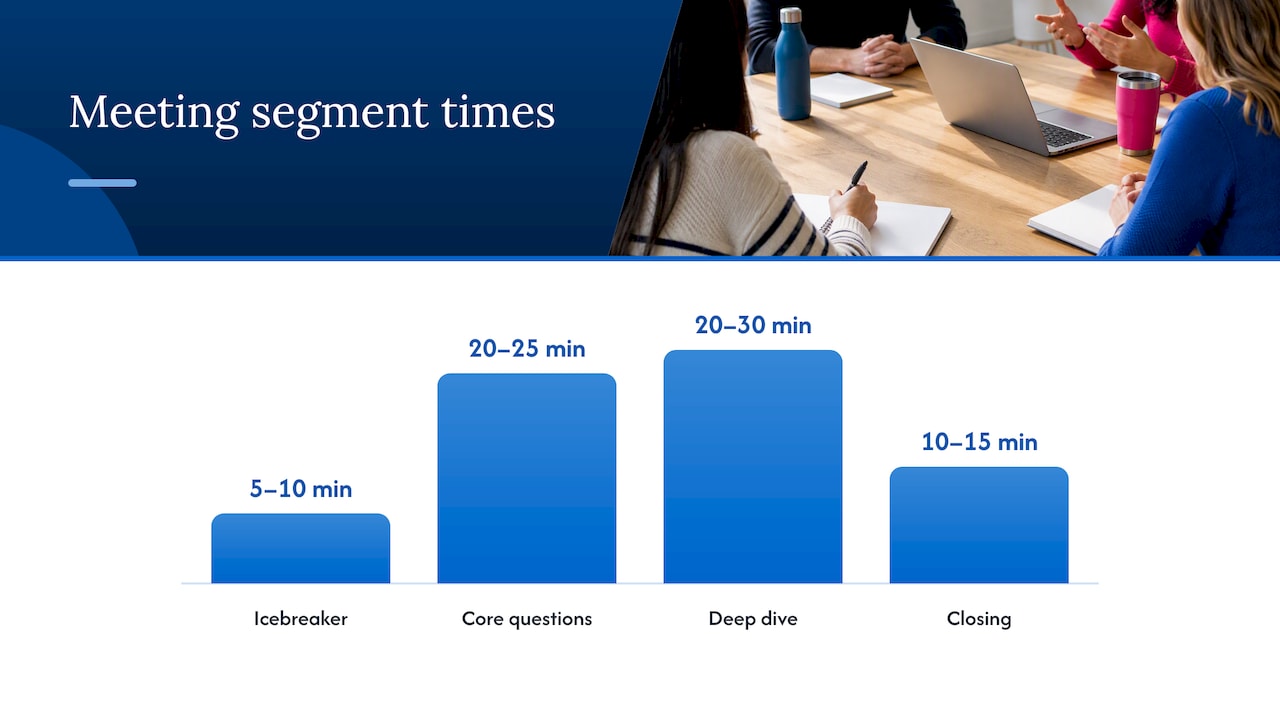
- Icebreaker (5-10 minutes): Ask “what was your first moment of dread in this book?” or have each person share a one-line survival strategy they would use in the characters’ situation.
- Core questions (20-25 minutes): Work through the comprehension and early interpretive questions from the first section.
- Deep dive (20-30 minutes): Pick one thematic cluster or the character hot-seat activity.
- Closing (10-15 minutes): Use the reflective questions to wrap up and suggest a next read.
When a tangent pulls the group away from the book, a simple redirect works: “that’s worth unpacking, how does the text itself support that?” Watch for members who seem uncomfortable with the illness or violence content and give them an easy way to step back from a passage without putting them on the spot.
Pro Tip: Appoint a timekeeper before the meeting starts. Groups that skip this step almost always run out of time for the closing questions.
6. Why Nathaniel Connors’s background shapes these questions
Nathaniel Connors writes dark supernatural and dystopian fiction, with titles including The Nether and Stories of a Condemned Soul alongside Evolution A200: A Bubonic Apocalypse. Across his work, recurring threads of revenge, guilt, and redemption surface again and again, and Evolution A200 uses an outbreak setting to push those same questions into a survival context. Knowing that pattern helps a moderator frame questions about guilt and moral compromise as part of a larger authorial concern rather than isolated plot details. For direct quotes and additional framing, the official book page is the best primary source.
— Nathaniel
7. Where to find the book and share this guide with your club
Evolution A200: A Bubonic Apocalypse is available in ebook and paperback formats and reads free for Kindle Unlimited subscribers. Browse the full books category for this title and related series if your club wants to plan a follow-up read.

Share the question sets above in your club’s newsletter or social post with a caption like “Our next pick dives into guilt, survival, and an outbreak that won’t stay contained.”
| What you get | Where to find it |
|---|---|
| Core and thematic question sets | This guide |
| Official synopsis and author notes | Book landing page |
| Format availability (ebook, paperback, Kindle Unlimited) | Books category page |
FAQ
How long should an Evolution A200 book club meeting run?
Plan for 60 to 90 minutes using the agenda above: a short icebreaker, core questions, one deep-dive activity, and a closing reflection. Groups that skip the icebreaker often run short on closing time instead.
Does Evolution A200 contain content that needs a trigger warning?
Yes, the book includes illness, death, and survival-related violence, so flag the quotes section passages before reading them aloud. Giving members a heads-up beforehand lets anyone step back from a specific passage without disrupting the meeting.
Is Evolution A200 available on Kindle Unlimited?
Yes, Evolution A200: A Bubonic Apocalypse reads free for Kindle Unlimited subscribers, and it is also available in ebook and paperback formats. Check the books category page for current format links.
What other Nathaniel Connors books pair well with a club discussion of Evolution A200?
The Nether and Stories of a Condemned Soul share the same recurring themes of guilt, revenge, and redemption that run through Evolution A200. A club that enjoys this title often finds those two a natural next pick.
Where can I see how other readers reacted to Evolution A200?
Reading-challenge threads on Goodreads and NetGalley, including the September 2020 discussion and the December 2019 discussion, show the book listed among titles readers picked for group reads.