
Pick three curated sources and stick with them: one indie press, one horror magazine or newsletter, and one reader community. Then sample something short. That’s the whole system.
- Follow one press with a horror catalog you can browse in ten minutes.
- Follow one magazine or newsletter that curates rather than just lists.
- Join one community (a Goodreads group or a horror-focused subreddit) where readers actually argue about books.
Run two checks before buying anything: read the opening page, and look for at least two independent recommendations from people who aren’t the author’s friends.
Pro Tip: Queue a Kindle Unlimited title or a themed anthology tonight and subscribe to one newsletter before you close this tab. Momentum beats research.
Key Takeaways
Discovering indie horror worth reading depends on following a few curated sources consistently rather than chasing every new release you stumble across.
| Point | Details |
|---|---|
| Pick three channels | Commit to one press, one magazine or newsletter, and one community for at least a month. |
| Run the opening-page test | A confident, clear first page usually predicts a well-edited full manuscript. |
| Verify with two opinions | Only trust a recommendation once two independent readers back it. |
| Sample cheap and short | Use Kindle Unlimited, anthologies, and novellas to test authors before committing. |
| Try Nathaniel Connors | His titles, including Stories of a Condemned Soul, are free to sample on Kindle Unlimited and pass the same quality checks this guide recommends. |
Table of Contents
- How Do You Start Discovering Indie Horror Today?
- Where Do You Actually Find Indie Horror?
- How Do You Tell If an Indie Horror Book Is Any Good?
- What’s the Cheapest Way to Sample Indie Horror?
- How Do You Build a Discovery Habit That Actually Sticks?
- Do Indie Horror Awards Actually Help You Find Good Books?
- Can Horror Conventions and Virtual Events Help You Discover New Authors?
- What Does Nathaniel Connors Look For When He Discovers New Horror?
- Read Something That Passes Every Check on This List
- Where Else Should You Look?
- Frequently Asked Questions
- Sources
How Do You Start Discovering Indie Horror Today?
You don’t need a spreadsheet. You need forty minutes and a plan you’ll actually follow.
- Pick your press. Scroll a small horror publisher’s catalog page and note two titles with covers and blurbs that grab you.
- Pick your magazine or newsletter. Subscribe to one that curates short fiction or recommends new releases regularly.
- Pick your community. Search Goodreads groups or Reddit for “indie horror” threads and skim the last month of posts.
- Search smart. On Goodreads, browse shelves tagged for Kindle Unlimited horror. On Reddit, search r/horrorlit for “indie” or “small press” inside the community search bar, not Google.
- Queue two samples. Add one Kindle Unlimited title and one anthology to your reading app now, not later.
- Log it somewhere. Use a Goodreads “Want to Read” shelf or a single running note. One place, not five.
That’s the entire loop. Repeat it weekly and the backlog builds itself.
Where Do You Actually Find Indie Horror?
The horror shelves at big retailers reward whoever spent the most on ads, not whoever wrote the best book. Indie horror lives somewhere else entirely, and knowing the map saves you hours of scrolling.
Indie presses are the strongest filter you have. A press with a consistent editorial eye vets manuscripts before you ever see them, which means their backlist is a pre-screened reading list. Book Riot’s roundup of indie press horror is a solid entry point, and LitReactor’s list of active indie publishers names roughly a dozen worth bookmarking. Once you find a press whose taste matches yours, its new releases become a trusted stream you don’t have to re-evaluate every time.
Magazines and short-fiction zines surface new authors faster than novels do. A themed anthology issue lets you sample five or six voices in one sitting, which is the quickest way to find a writer worth following into their longer work.
Retail discovery works if you know where to dig. Kindle Unlimited horror shelves and Amazon’s horror subcategories bury gems under algorithm noise, so search by subgenre terms (folk horror, body horror, cosmic dread) instead of the generic “horror” tag.
Social discovery through BookTok, horror podcasts, and YouTube reviewers who specialize in small press work can be genuinely useful, but filter hard. Most horror content on those platforms covers whatever a publisher paid to promote. Look for reviewers who explicitly cover self-published and small-press titles.
Reader communities close the loop. Threads in r/horrorlit and Goodreads groups regularly surface names you won’t find anywhere else, because readers there share discoveries without a marketing budget behind them.
How Do You Tell If an Indie Horror Book Is Any Good?
You can judge most indie horror books in under two minutes, before you spend a dollar.
- Open-page test: Read the first page. Does the voice sound controlled, or does it stumble through exposition? Confident prose on page one usually holds up.
- Production signals: Check formatting and proofreading in the sample. A few typos aren’t a dealbreaker; a sample riddled with them usually signals the whole manuscript skipped a proper edit.
- Cover craft matters less than people assume. A modest cover with a clean, well-paced opening beats a flashy cover with clumsy prose every time.
- Social verification: Look for two independent recommendations, not two mentions from the same three accounts.
- Editorial signals: Check whether the book comes from a press with a real backlist, or whether it’s picked up any award mentions or anthology inclusions. The Bram Stoker Award nominee and winner lists are a quiet goldmine for small-press horror that already passed a rigorous filter.
Martinez outlines for indie fiction readers.*
What’s the Cheapest Way to Sample Indie Horror?
You can read your way through a dozen indie authors without spending much at all.
Kindle Unlimited turns sampling into a numbers game. Browse the KU horror shelf on Goodreads, which surfaces many KU-eligible titles with community ratings attached, and our own roundup of Kindle Unlimited horror books narrows that further.
- Themed anthologies let you test five or six authors in one purchase.
- Novellas are the smartest first commitment. You’ll know within an hour if a writer’s voice works for you.
- Library apps like Libby carry indie titles many readers overlook, and small bookstores will often special-order a small-press book on request.
How Do You Build a Discovery Habit That Actually Sticks?
Chasing every recommendation you see is how discovery fatigue sets in. A tighter system fixes that.
- Commit to three channels for one month. One press, one newsletter, one community. Don’t add a fourth until the month is up.
- Run a twenty-minute weekly ritual. Scan new releases from your press, read two opening pages, queue two samples.
- Keep every discovery in one place. A Goodreads “Want to Read” shelf works fine. So does a plain note. Just pick one.
- Escalate to a purchase when the signal repeats. If a title shows up from your press, your newsletter, and your community independently, that’s your buy signal.
Pro Tip: Consistency matters more than volume. Three sources checked weekly will surface more good books over a year than fifteen sources checked once.
Do Indie Horror Awards Actually Help You Find Good Books?
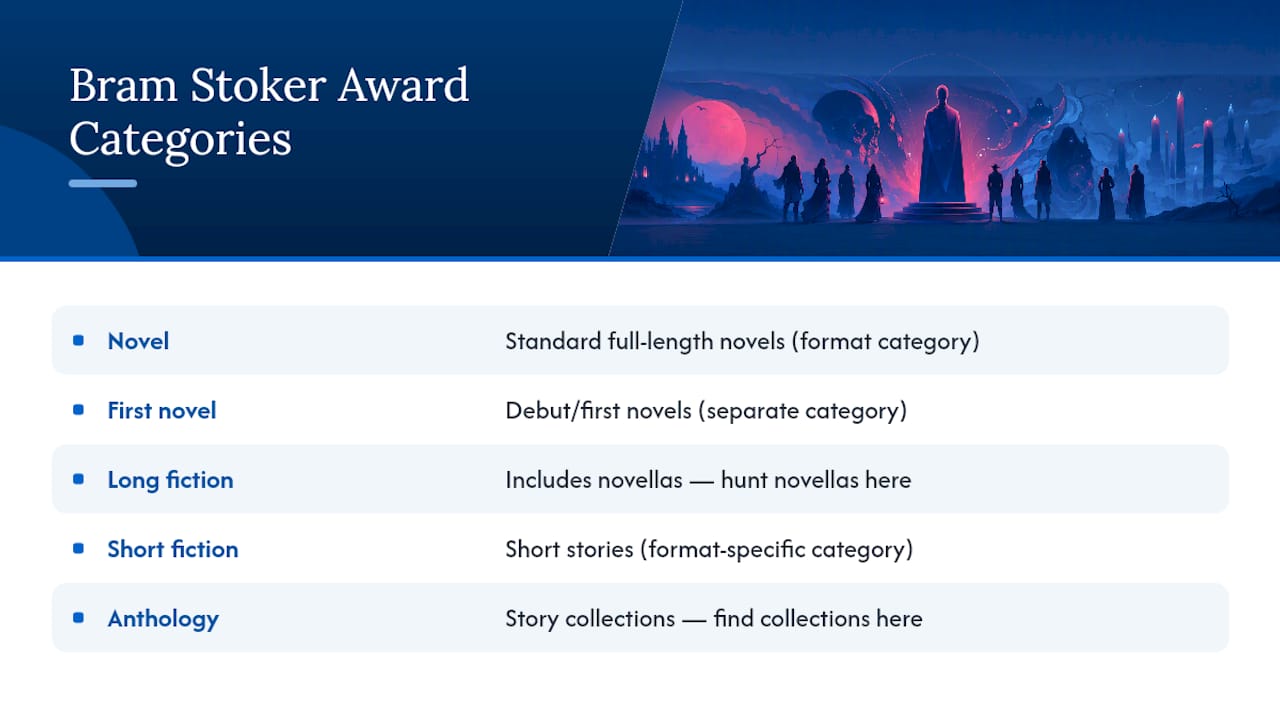
Awards exist for exactly this problem: they compress hundreds of releases into a shortlist someone else already vetted. The Horror Writers Association’s Bram Stoker Award is the one most worth tracking, because its categories split by format (novel, first novel, long fiction, short fiction, anthology), which means you can hunt specifically for novellas or story collections instead of wading through every horror release of the year.
Smaller, genre-specific awards and “best of” lists from horror-focused outlets serve a similar function on a tighter scale. A press or magazine that gets a title nominated is telling you, indirectly, that its editorial standards hold up against outside scrutiny. That’s worth more than a five-star average from a few dozen anonymous reviews.
The habit worth building: check award longlists and shortlists once or twice a year, not constantly. Cross-reference a nominee against the discovery channels you already follow. If a title you’d never heard of shows up on both your community’s recommendation thread and an award shortlist, that’s about as strong a signal as indie horror discovery gets. Treat awards as a filter layered on top of your existing channels, not a replacement for them. The shortlist tells you a book cleared a bar; your own opening-page test still tells you whether it’s a bar you care about.
Can Horror Conventions and Virtual Events Help You Discover New Authors?
Live events put you in a room (physical or virtual) with the authors themselves, which is a discovery channel no algorithm replicates. Small horror conventions and virtual cons built around independent publishing regularly feature panels where small-press authors read excerpts and talk process, and that direct exposure tells you more about a writer’s voice in five minutes than a dozen scrolled reviews.
Virtual conventions lowered the barrier further. Many now run entirely online, with panel recordings, live chats, and vendor halls where small presses sell directly to readers. You get the same access an in-person attendee gets, minus travel cost, and you can usually watch panels after the fact if your schedule doesn’t line up live.
Author interviews and horror podcasts function as a lower-commitment version of the same thing. A twenty-minute conversation with a small-press author tells you whether their sensibility matches yours before you spend money on the book. Treat convention panels and podcast interviews as auditions: you’re not just hearing about a book, you’re hearing the author’s actual voice, which is often the clearest indicator of whether their prose will land for you.
If you only take one action from this section, follow the programming schedule of one horror convention (virtual or in person) for a season and see which authors keep showing up. Repetition across events is its own kind of recommendation.
What Does Nathaniel Connors Look For When He Discovers New Horror?
I follow the same three channels I’d recommend to anyone: a couple of small presses whose taste I trust, one horror-fiction newsletter, and Kindle Unlimited when I want to sample without commitment. Anthologies do most of the heavy lifting. Reading six authors in one themed collection tells you fast who’s worth following into a full novel.
What I actually respect on the page is simple: a narrator with a real interior life and prose that doesn’t announce its own cleverness. That’s the standard I hold my own work to in The Nether and Stories of a Condemned Soul, and it’s the same standard I apply to everything I sample.
Read Something That Passes Every Check on This List
Every quality signal covered above (a controlled opening, a consistent voice, no filler between the scares) is the standard behind Stories of a Condemned Soul. It’s built for exactly the kind of reader running the opening-page test and the two-recommendation check before committing.
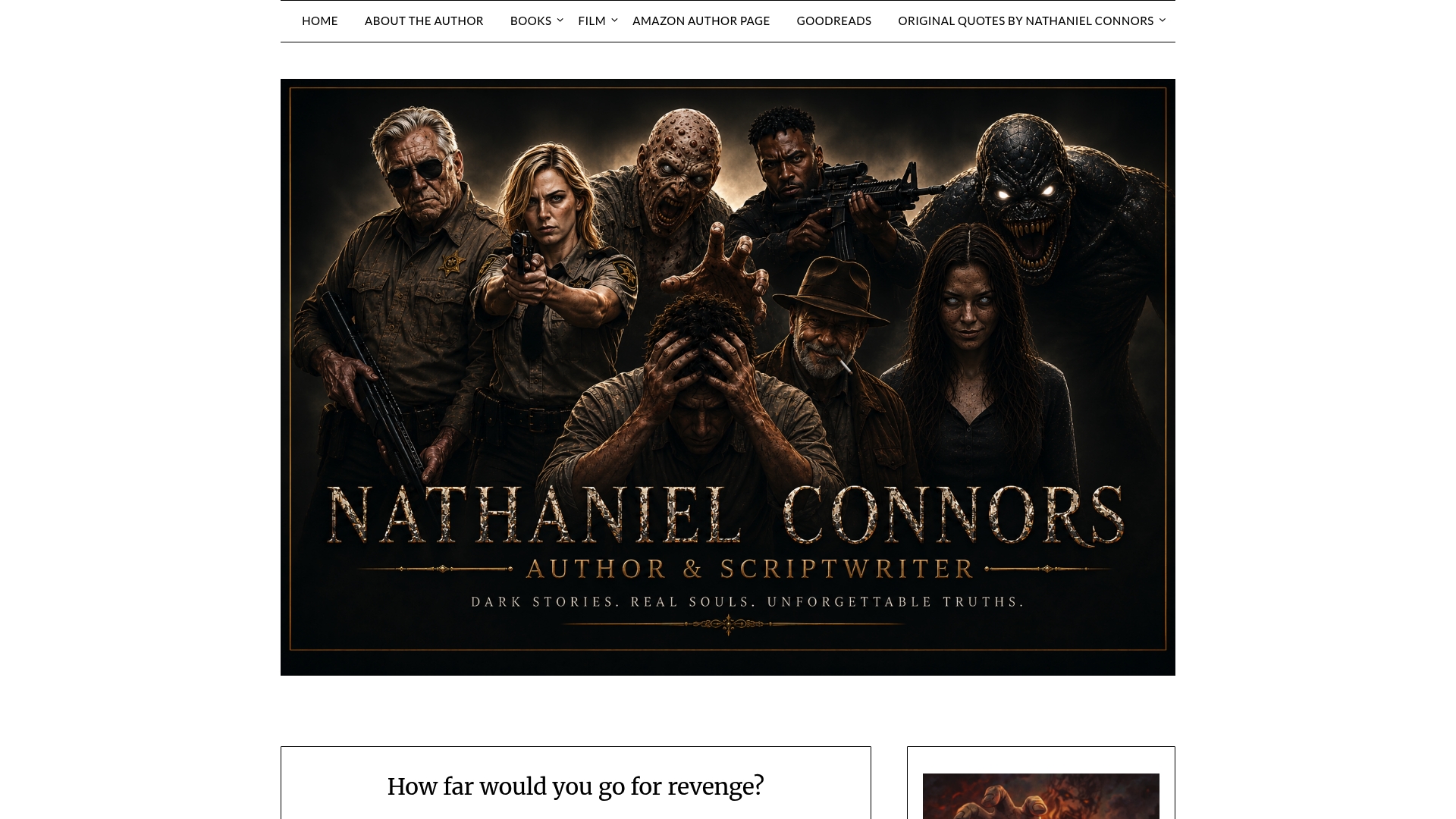
You don’t have to take it on faith. Sample it the way this guide recommends: read the opening pages free, or stream it at no added cost through Kindle Unlimited if you’re already subscribed. If the voice holds up on page one, you’ve found your next read. Start with Stories of a Condemned Soul and see how it holds against your own checklist.
Where Else Should You Look?
- Horror books from indie presses (Book Riot)
- 13 indie publishers producing fresh hot horror fiction (LitReactor)
- Best Dystopian Horror Novels for your next pick
Frequently Asked Questions
What’s the fastest way to discover indie horror if I have no starting point?
Follow one indie press, browse the Goodreads Kindle Unlimited horror shelf, and sample one anthology. That combination surfaces titles within a day.
Are indie horror books lower quality than traditionally published ones?
Not inherently. Quality varies more by press and editing than by publishing model. The opening-page test and two-recommendation rule catch most weak titles regardless of who published them.
Is Kindle Unlimited a reliable way to find good indie horror?
Yes, especially paired with community-curated shelves. KU removes the cost barrier to sampling widely, which is the real advantage.
How do I find indie horror without relying on Amazon’s algorithm?
Go through curated channels instead: presses, magazines, awards shortlists, and reader communities. Search subgenre terms rather than generic tags when you do use retail search.
Do awards actually predict a good indie horror read?
They’re a strong filter, not a guarantee. A Bram Stoker Award nomination means a book cleared industry scrutiny, but your own opening-page check still matters.
Sources
- Horror books from indie presses | Book Riot
- 13 indie publishers producing fresh hot horror fiction | LitReactor