
Kindle Unlimited is worth it for horror readers who read at least a few books a month and don’t mind digging past bestseller lists for indie finds. The subscription earns its cost through sheer discovery potential and the freedom to try unfamiliar authors without a purchase decision attached to each one. If you read slowly or want to own permanent copies, the math gets shakier. Run a quick reading volume check and a short trial before committing.
TL;DR:
- Kindle Unlimited is most cost-effective for regular horror readers who borrow multiple indie titles monthly and enjoy exploring new authors without owning copies.
- The library’s availability fluctuates frequently, so checking individual titles’ KU badges is essential before borrowing or recommending titles.
- Heavy readers benefit most from the subscription, especially those who prefer series and anthologies, while slow readers or those seeking permanent ownership may find less value.
- Managing a rotating queue of diverse horror subgenres and screening titles with previews maximizes the subscription’s worth within the 20-book borrow limit.
- Quality varies across indie titles, and borrowed books are not owned permanently, so frequent cancellation or inconsistent collection size can limit long-term use.
Table of Contents
- What Kindle Unlimited offers horror readers
- Who actually gets their money’s worth from KU
- The trade-offs horror fans should weigh first
- A workflow for finding good horror on KU
- Starter picks across horror subgenres on KU
- Why dark supernatural readers often start here
- A quick rule of thumb for deciding
- Where to start if you want a ready-made horror pick
- FAQ
- Sources
- Primary sources used for claims and further reading
What Kindle Unlimited offers horror readers
Amazon describes Kindle Unlimited as giving subscribers access to more than 5 million digital titles and thousands of audiobooks, with eligible books marked by a Kindle Unlimited badge on their product pages. That badge is the only reliable way to confirm a title is actually included, since browsing a general horror category will mix KU and non-KU books together.
The borrowing system itself has specific rules worth knowing before you start:
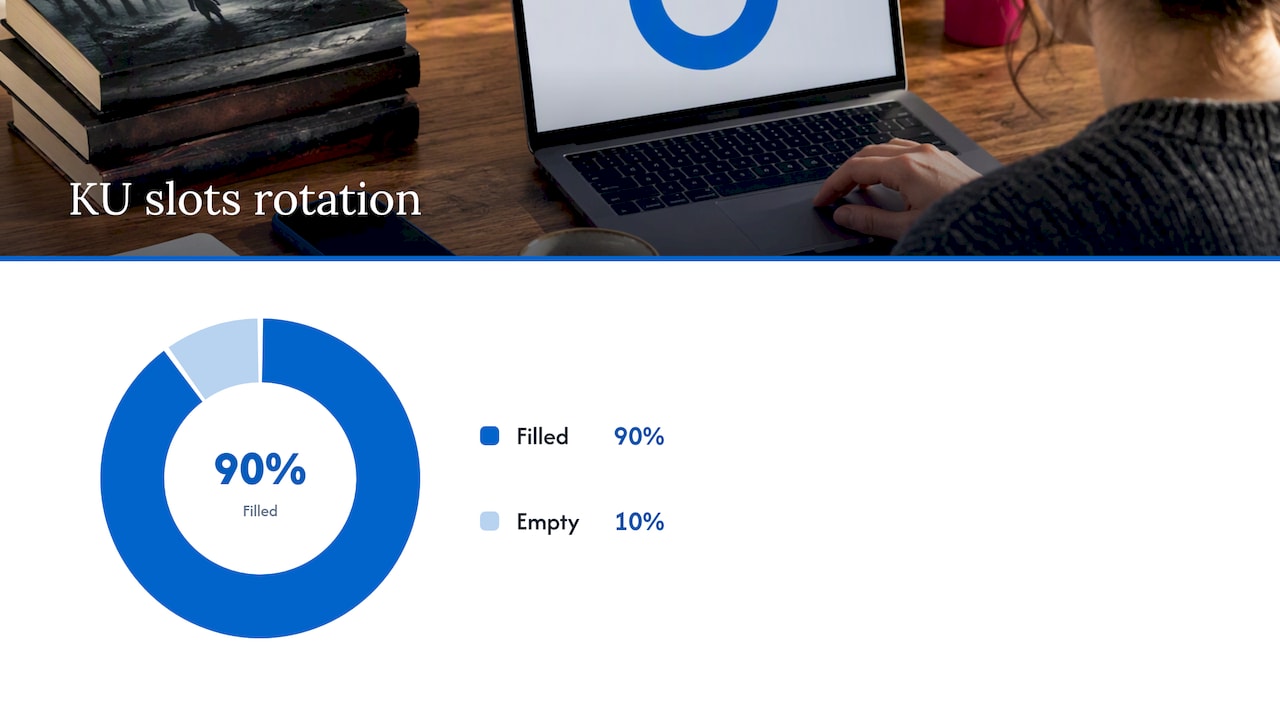
- You can borrow up to 20 titles at once with no due dates, returning any of them early to free up a slot.
- Magazines and certain periodicals carry their own separate limits within the subscription.
- Horror on KU leans heavily toward indie and self-published novels, themed anthologies, and a rotating set of classic reprints.
Availability shifts constantly. A title you bookmark today may lose its KU badge next month, so always check the individual listing rather than relying on memory or an old recommendation.
Who actually gets their money’s worth from KU
The simplest value test is a break-even comparison: tally what you’d normally spend buying horror ebooks in a typical month, then compare that to the subscription price. If you’d buy two or three indie horror novels a month anyway, KU likely pays for itself through borrowing alone, even before counting the books you sample and abandon for free.
Some reader habits line up with that math better than others:
- Binge-genre readers who move through several horror titles a month get the most per-dollar value since they’re not paying per book.
- Series readers benefit because they can queue up an entire backlist without committing to each volume individually.
- Indie explorers who enjoy testing unfamiliar authors get a low-risk way to sample titles they’d otherwise skip at full price.
Readers less likely to benefit include slow readers who finish only one or two books a month, anyone chasing new hardcover bestsellers the week they launch, and readers who simply prefer owning permanent copies over a revolving library. For a side-by-side on subscription math versus outright purchases, see this decision guide comparing Kindle Unlimited and buying ebooks.
The trade-offs horror fans should weigh first
KU’s flexibility comes with real costs. Amazon’s own Kindle Unlimited Terms of Use state plainly that titles can be added or removed at any time, with no guarantee a book stays available, and that access ends the moment your membership does. That means the collection you build your reading plan around today isn’t fixed.
A few other drawbacks worth knowing:
- Quality varies widely across the indie horror catalog, since anyone can publish, and editing polish is inconsistent from title to title.
- You never own the books outright: cancel the subscription and borrowed titles disappear from your device.
- The 20-title borrow cap means heavy readers have to manage their queue instead of stockpiling everything that looks interesting.
Pro Tip: Use the “Look Inside” preview and check a title’s rating count before borrowing, and return anything that hasn’t hooked you by chapter three so you’re not wasting a borrow slot on a book you’ll abandon.
A workflow for finding good horror on KU
Scrolling KU’s horror category alone wastes time, since the front page tends to surface the same handful of heavily promoted titles. A better approach treats discovery as a repeatable process rather than random browsing.
- Filter by horror subcategories and anthology collections, since themed collections often group tighter, better-curated selections than the general horror list.
- Check ratings, review counts, and sample chapters before committing a borrow slot, since a few minutes of preview reading catches most mismatches early.
- Build a rotating sample set: one full-length novel, one anthology or novella, and one unfamiliar indie title, then swap out whichever disappoints first.
- Cross-reference Amazon’s categories against outside reader lists, Goodreads shelves, or author-curated roundups, since those often surface subgenres the algorithm buries.
Independent guides back up this rotating approach: practical sampling workflows that mix novel, novella, and indie experiment tend to get more value out of KU’s borrow limit than committing to one book at a time. For a deeper dive into vetting indie authors specifically, the guide to discovering indie horror worth your time covers red flags and reliable signals beyond star ratings.
Pro Tip: Keep your 20 slots in rotation rather than full, since an empty slot or two lets you grab a recommendation the moment it comes up instead of waiting to finish your current queue.
Starter picks across horror subgenres on KU
A handful of entry points show where KU’s horror catalog is strongest, spanning different tastes within the genre:
- Psychological horror readers tend to gravitate toward slow-burn dread over jump scares, a lane covered in more detail in this breakdown of psychological horror that creates dread without gore.
- Dark supernatural fans looking for a KU-available starting point can try The Nether, which leans into haunting, character-driven supernatural horror.
- Readers who prefer dystopian horror with a slower existential dread can try Evolution A200: A Bubonic Apocalypse, a pandemic-driven dystopian horror novel.
- Short-fiction fans who want variety without a long commitment can try Stories of a Condemned Soul, a collection built for readers who like horror in smaller doses.
- Classic horror and themed reprint collections also cycle through KU eligibility periodically, though availability varies by edition and should always be confirmed on the book’s own Amazon page.
The curated list of Kindle Unlimited horror books expands on these picks with more titles across subgenres.
Why dark supernatural readers often start here
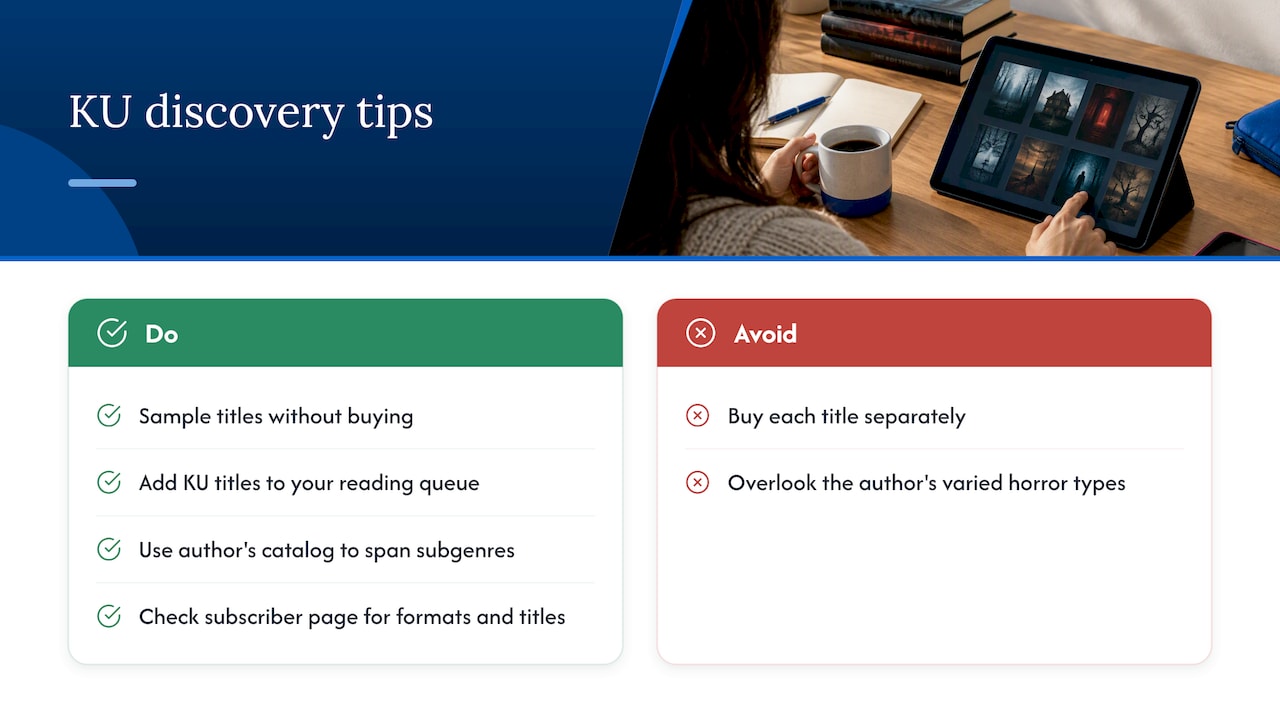
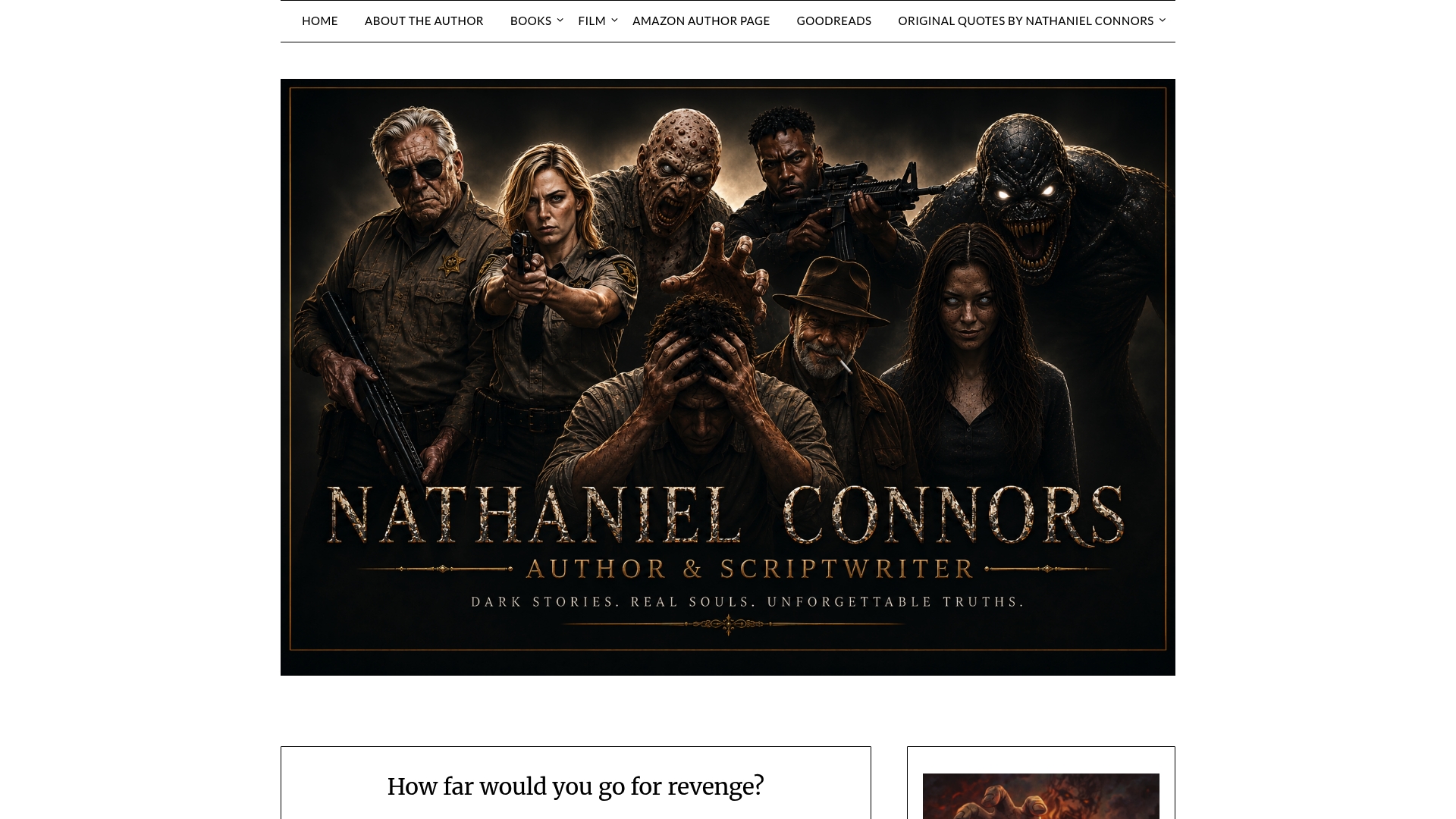
Nathaniel Connors writes dark supernatural fiction and psychological horror centered on guilt, revenge, and redemption, with several works available to Kindle Unlimited subscribers. That KU availability matters for exactly the discovery problem this article covers: readers can sample character-driven dark supernatural horror without a separate purchase decision for each title.
For readers building a KU reading queue, these titles fit naturally alongside the subgenre breakdowns in this guide, since they cover various types of horror in one author’s catalog. The subscriber page confirming KU availability lists current titles and formats.
A quick rule of thumb for deciding
Adventurous readers willing to try unfamiliar indie horror get real value from KU; readers who want to own their favorites outright probably won’t. Try a 30-day test: pick three titles across formats (novel, anthology, indie experiment), finish what hooks you, and judge the subscription by how much satisfaction you got per dollar, not by how many books sat unread in your queue.
— Nathaniel
Where to start if you want a ready-made horror pick
If you’d rather skip the trial-and-error, Nathaniel Connors’ Kindle Unlimited titles cover three different horror lanes in one catalog: dark supernatural dread in The Nether, dystopian horror in Evolution A200: A Bubonic Apocalypse, and bite-sized short fiction in Stories of a Condemned Soul.
A few ways to start sampling:
- Browse the full catalog on the books landing page to see which subgenre fits your mood.
- Read the curated list of best KU horror picks for more titles beyond this author’s own.
- If you’re not subscribed yet, Amazon’s free trial period is the lowest-risk way to test whether KU’s catalog matches your reading habits before paying for a full month.
FAQ
What is the scariest book on Kindle Unlimited?
“Scariest” is subjective and KU’s catalog changes often, so no single title holds that title permanently. Dark supernatural and psychological horror readers often find strong tension-driven picks among indie novels and anthologies, but always check a book’s current KU badge and reviews before borrowing.
At what point is Kindle Unlimited worth it?
It tends to pay off once you’d otherwise buy more than a couple of horror ebooks a month, since the subscription cost competes directly against those individual purchases. Readers who borrow several books monthly or enjoy sampling indie authors see the clearest value.
What are the drawbacks of Kindle Unlimited?
The catalog isn’t fixed. Amazon’s own terms state titles can be added or removed at any time, and access ends when your membership does, so you never truly own what you borrow. Indie-heavy selection also means quality and editing vary more than with traditionally published books.
What’s worth reading on Kindle Unlimited?
Strong picks vary by subgenre, but psychological horror, dark supernatural fiction, and themed anthologies tend to be well represented. Dark supernatural readers can start with titles like The Nether, while short-fiction fans might prefer a collection like Stories of a Condemned Soul, checking each book’s KU badge before borrowing.
Sources
- What is Kindle Unlimited? — About Amazon
- Understanding the Kindle Unlimited Subscription and Benefits – Amazon Customer Service
- How does Kindle Unlimited work? — BookBub blog
- What is Kindle Unlimited? — Digital Trends
Primary sources used for claims and further reading
- What is Kindle Unlimited? — About Amazon
- Understanding the Kindle Unlimited Subscription and Benefits – Amazon Customer Service
- Kindle Unlimited terms of use — Amazon
- How does Kindle Unlimited work? — BookBub blog
- What is Kindle Unlimited? — Digital Trends