Nathaniel Connors | Dystopian Horror & Thriller Fiction

Where every story begins in the dark.

Menu
  • Home
  • About the Author
  • Books
    • The Nether
    • Evolution A200: A Bubonic Apocalypse
    • Evolution A200: Radio Silence
    • Stories of a Condemned Soul (Volume One)
  • Film
    • Room 302 (Short Film)
  • Amazon Author Page
  • Goodreads
  • Original Quotes by Nathaniel Connors
    • Dark Quotes
    • What Remains
    • Where Stories Settle
Menu

Month: October 2026

Stories of a Condemned Soul resting on a table

Condemned Soul Review: Character Driven Horror on Kindle Unlimited

Posted on October 11, 2026October 11, 2026 by NConnors

“Stories of a Condemned Soul” is a chilling, character-driven collection that delivers morally thorny supernatural tales with real emotional weight. We recommend it for readers who want psychological horror built on grief and consequence rather than jump scares, and the book is accessible to readers with a Kindle Unlimited subscription.


TL;DR:

  • Jon Jacob, grieving his daughter’s death, accepts the Salesman’s offer of revenge through a contract that trades power for a cost beyond money.
  • The collection builds dread through gradual reveals and small moral compromises, while violence remains secondary and the resolution favors emotional closure over a twist.
  • Amazon lists a 4.6 average rating from 20 reviews, and readers can sample opening chapters or choose ebook and paperback formats.
  • Several characters discover that guilt, rather than an external monster, drives the damage, while the Salesman embodies agency and consequence more than pure evil.

Nathanielconnors
nathanielconnors.com
Explore More Psychological Horror
Nathaniel Connors writes supernatural fiction shaped by revenge, guilt, and redemption, with stories that stay with readers beyond the final page.

Visit Nathaniel Connors

Table of Contents

  • A Grieving Father Faces a Devil’s Bargain
  • Revenge, Guilt, and the Price of a Soul Contract
  • How Connors Builds Character-Driven Dread
  • Pacing, Mood, and Who Should Pick This Up
  • Reader Ratings and Where to Find the Book
  • Where to Read More Dark Supernatural Fiction
  • Why This Book Exists in Our Catalog
  • FAQ
  • Sources

A Grieving Father Faces a Devil’s Bargain

The story follows Jon Jacob, a father undone by his daughter’s death, who is approached by a mysterious figure known as the Salesman offering him a path to revenge. The Amazon product page for Stories of a Condemned Soul describes a contract that manipulates souls, trading power for something far more costly than money. The setting leans on quiet, haunted spaces where grief festers into something darker, and the tone stays somber rather than gory.

A few things to know before you start:

  • The premise centers on loss, not combat or chase sequences.
  • The Salesman’s contract drives most of the moral conflict.
  • We’ve kept this summary spoiler-free; the thematic sections below discuss consequences in general terms only.

If you prefer to go in cold, the setup above is all you need before the deeper analysis.

Revenge, Guilt, and the Price of a Soul Contract

Revenge in this collection isn’t a clean payoff. It’s a transaction with hidden fine print, and the narrative treats every act of vengeance as a debt that compounds. Jon Jacob’s bargain with the Salesman functions less like a plot device and more like a mirror held up to anger itself: what does a grieving person actually want, and what does getting it cost them?

Anger bargain vengeance and mounting consequences

Guilt follows close behind. Characters who pursue revenge often find themselves tested by the very thing they thought would bring relief, and redemption, when it appears, feels earned rather than handed over. The bargain motif has deep roots in literature. Scholarly commentary on bargains and moral consequence in works like Dante’s Comedy shows how deals with dark powers have long served as vehicles for examining corruption and consequence rather than simple spectacle.

What stands out across the collection:

  • Revenge is framed as a choice with lasting psychological cost, not a triumphant climax.
  • Guilt operates as the real antagonist for several characters.
  • The Salesman represents agency and consequence more than pure evil.

Pro Tip: Read this one slowly. The emotional payoff depends on sitting with the discomfort rather than rushing to the next twist.

How Connors Builds Character-Driven Dread

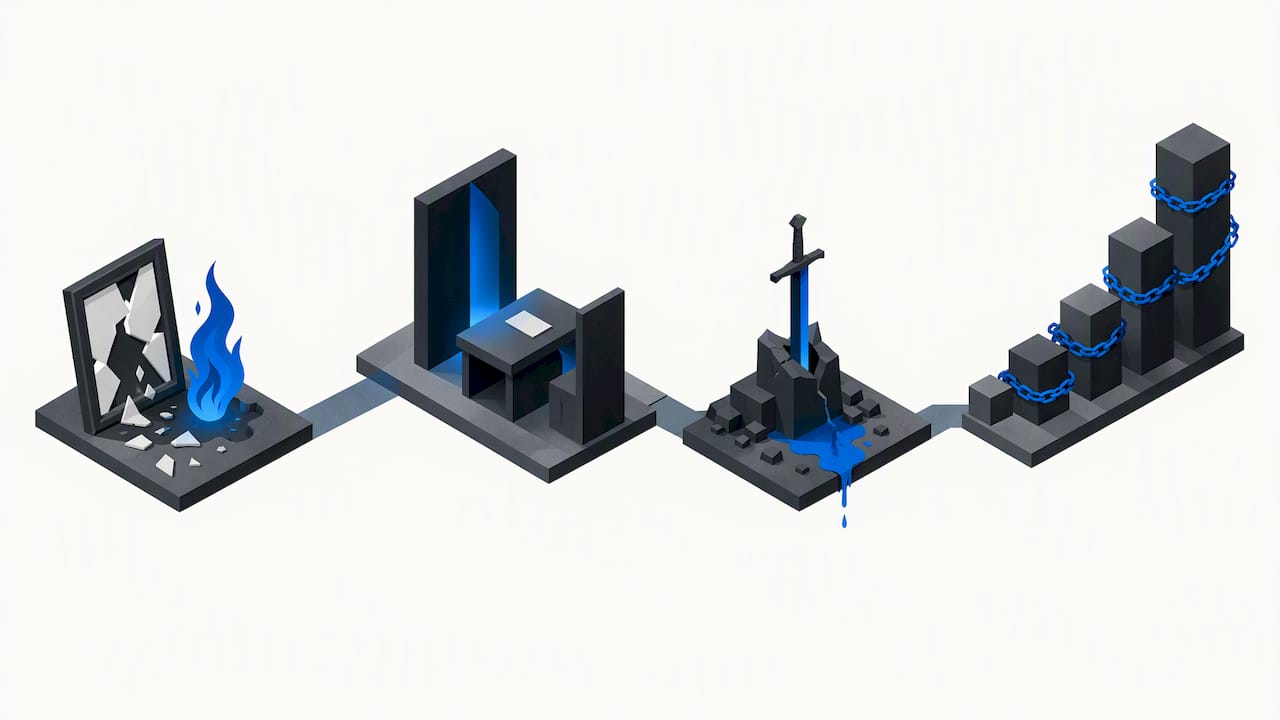
How Connors Builds Character-Driven Dread — overview diagram

Character work is where this collection earns its keep. Jon Jacob reads as a believable man in crisis, not a vehicle for plot mechanics, and his emotional stakes feel grounded even as the supernatural elements escalate. The author’s site frames this emphasis on rich character development and intricate plots as a signature across the catalog, and that proof point holds up here: the horror lands because we care about the person experiencing it.

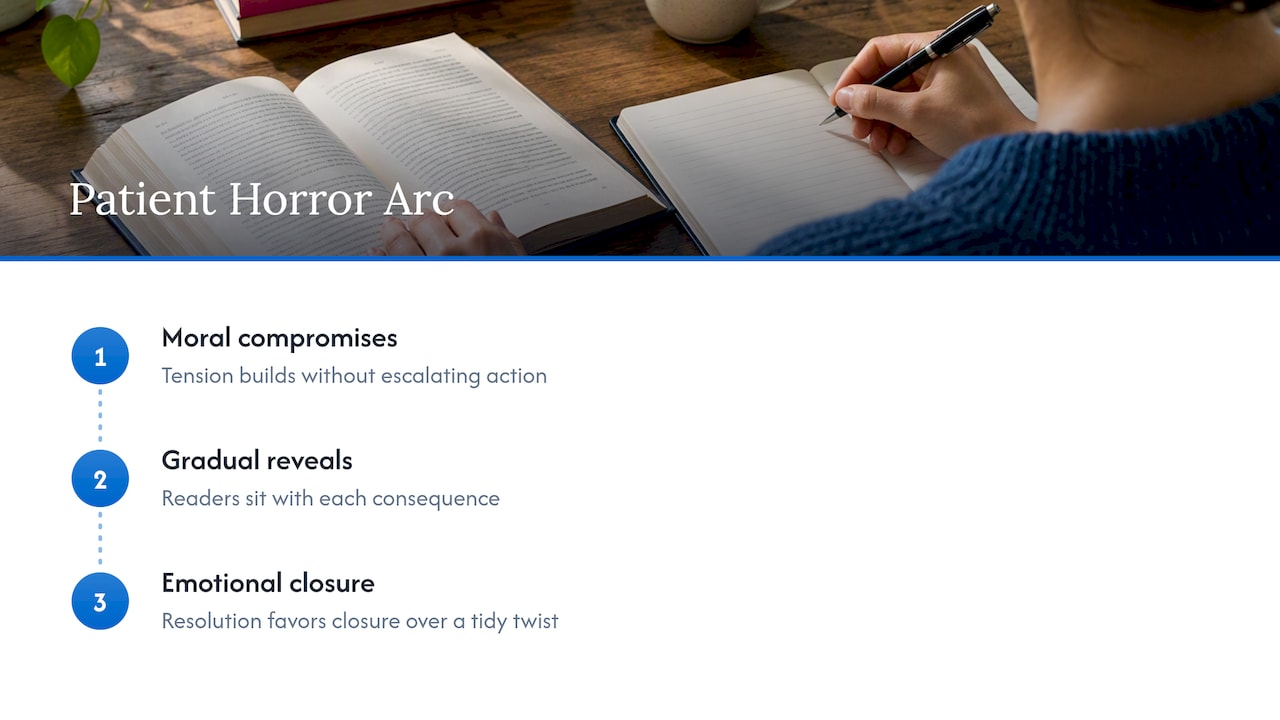
The prose favors mood over flash. Sentences build atmosphere through restraint, letting dread accumulate in small, specific details rather than loud set pieces. Pacing decisions support this: reveals come gradually, giving readers time to sit with each consequence before the next one lands.

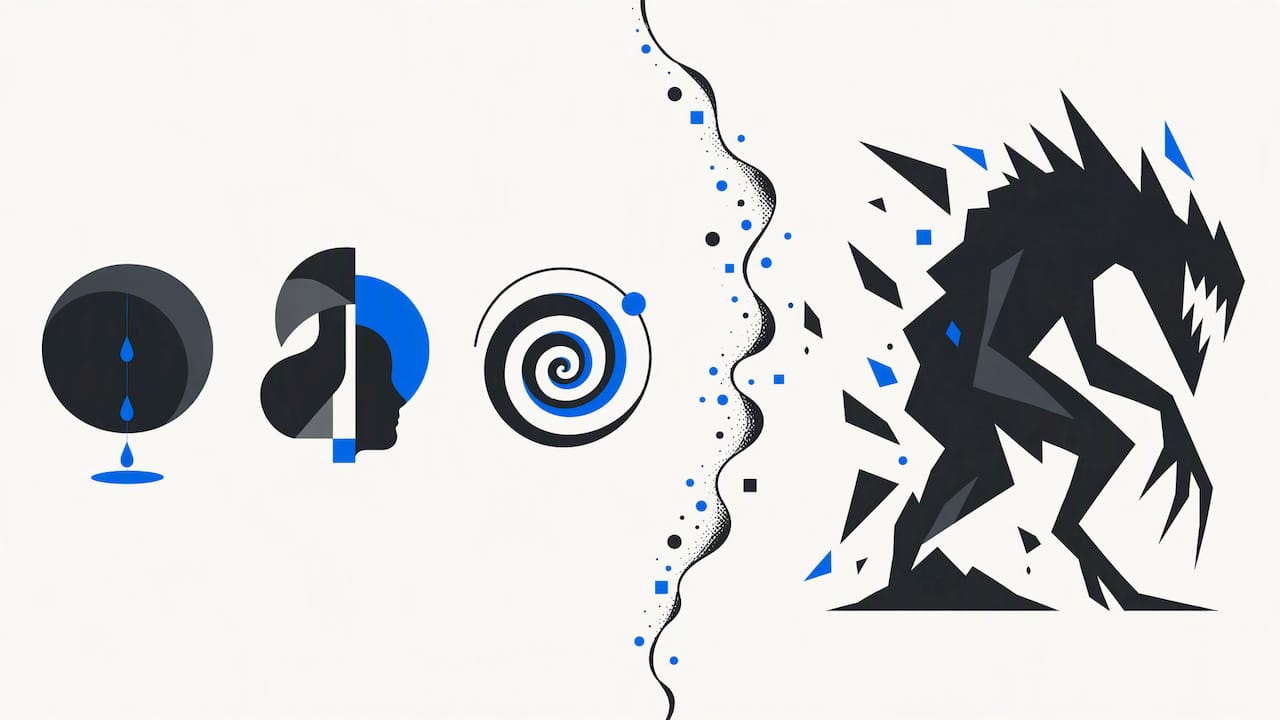
The deeper psychological monsters within us are harder to escape than anything supernatural.

Plot construction follows a patient arc. Tension builds through small moral compromises rather than escalating action, and the resolution favors emotional closure over a tidy twist. Readers who enjoyed the dystopian dread of The Nether or the slow-burn horror of Evolution A200: A Bubonic Apocalypse will recognize the same patient hand at work, with psychological horror taking precedence over gore in each.

Pacing, Mood, and Who Should Pick This Up

The pacing favors reflection over momentum. Scenes escalate gradually, giving the moral weight of each decision room to breathe before the next consequence arrives. The overall mood stays somber and tense, closer to a slow-building dread than a jump-scare rhythm.

A few things worth knowing before you dive in:

  • Grief and loss are central themes throughout, handled with weight rather than sentimentality.
  • Moral ambiguity runs through nearly every major choice characters make.
  • Violence exists but stays secondary to psychological tension.
  • The book fits readers who enjoy moral-ambiguity fiction and character-driven psychological horror over fast-paced thrillers.

If you gravitate toward stories that ask what you’d sacrifice for the people you love, this collection sits squarely in your lane.

Reader Ratings and Where to Find the Book

The Amazon listing for Stories of a Condemned Soul shows a 4.6 average rating from 20 reviews, a solid signal for a character-focused horror collection in a crowded genre. The book is available in both ebook and paperback formats, and it’s included for Kindle Unlimited subscribers at no added cost.

Here’s how to get started:

  1. Check the Kindle preview on the product page to sample the opening chapters before buying.
  2. Read for free through Kindle Unlimited if you already subscribe.
  3. Purchase the ebook or paperback directly if you prefer to own a copy outright.

Readers who want a broader view of similar titles before committing can also browse curated psychological horror lists with chapter previews for comparison.

Where to Read More Dark Supernatural Fiction

We write stories built around grief, guilt, and the cost of the choices people make when they’re desperate, and this collection sits comfortably inside that larger catalog. If this book resonated, the rest of our work follows the same thread: character-driven horror that lingers past the last page.

Nathanielconnors

A few places to start:

  • Browse the full books category to see every title, including The Nether Series and EA200 Series.
  • Visit the Stories of a Condemned Soul book page for synopsis details and buy links.
  • Many titles are available for Kindle Unlimited subscribers to read without additional cost.
  • New to our catalog? Start with our dark supernatural thrillers for a guided entry point.

Why This Book Exists in Our Catalog

We write these stories to explore the psychological monsters that outlast any supernatural threat, grief, guilt, and the bargains people make when they’re out of options. This collection sits naturally beside The Nether and Evolution A200, each one circling the same question from a different angle: what does a person become once they’ve crossed a line they can’t uncross? We’d genuinely like to hear which character stayed with you longest.

— Nathaniel

FAQ

What is Stories of a Condemned Soul about?

The book follows Jon Jacob, a grieving father offered a revenge bargain by a mysterious figure called the Salesman, whose contract manipulates souls. It explores grief, guilt, and the cost of vengeance through a character-driven psychological horror lens.

Is Stories of a Condemned Soul available on Kindle Unlimited?

Yes, the book is available to Kindle Unlimited subscribers at no added cost, alongside ebook and paperback purchase options. You can sample the Kindle preview on the Amazon product page before deciding.

What rating does Stories of a Condemned Soul have?

The Amazon listing shows a 4.6 average rating from 20 reviews. That’s a strong reception signal for a character-focused psychological horror collection.

How does this book compare to The Nether or Evolution A200?

All three share recurring themes of grief, guilt, and moral consequence, though each explores them through a different supernatural or dystopian lens. Readers who enjoy one will likely recognize the same patient, character-driven approach in the others.

Who will enjoy Stories of a Condemned Soul?

Readers who prefer psychological horror and moral-ambiguity fiction over fast-paced action horror will find the pacing and themes rewarding. It suits anyone drawn to stories about grief, consequence, and the price of revenge.

Sources

  • Stories of a Condemned Soul – Amazon product page
  • Church and State in the Comedy – Digital Dante
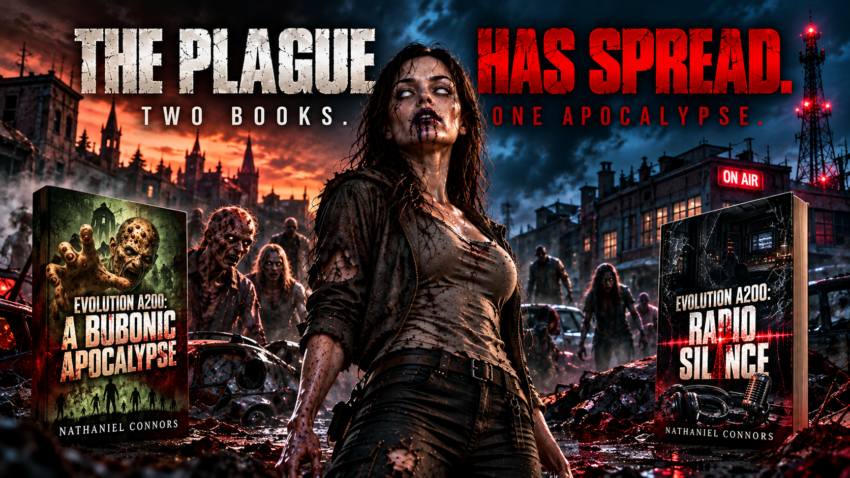
Promotional banner for Nathaniel Connors’ Evolution A200 horror series. A pale, white-eyed Pneumonic Alpha stands amid a devastated town surrounded by infected, abandoned vehicles, and destruction. Fiery red skies contrast with a dark blue cityscape and a glowing radio tower. The covers of A Bubonic Apocalypse and Radio Silence flank her beneath the words “The Plague Has Spread. Two Books. One Apocalypse.”

The Plague Has Spread: Both Evolution A200 Novels Are Available Now

Posted on October 10, 2026October 10, 2026 by NConnors

Two books. One apocalypse. And a nightmare that’s only beginning.

What happens when civilization begins to collapse under the weight of a deadly infection? When the dead refuse to stay dead, the military turns against the very people it’s sworn to protect, and the truth behind the outbreak is more terrifying than the plague itself?

Welcome to the world of Evolution A200, my apocalyptic horror series.

Evolution A200: A Bubonic Apocalypse

The world is changing, and humanity is no longer at the top of the food chain.

A devastating infection sweeps through communities, transforming ordinary people into grotesque, deadly creatures. Some are slow and mindless, driven by an insatiable hunger. Others are faster, more dangerous, and disturbingly intelligent.

As the outbreak spreads, survivors find themselves fighting not only the infected but also the fear, desperation, and brutality of a civilization coming apart.

The question is no longer how to stop the plague.

It’s how to survive it.

Evolution A200: Radio Silence

Before the world falls completely silent, someone is still broadcasting.

In northern Maine, disgraced radio personality Terry Nolan finds himself behind the microphone as reports of violence, military activity, and a mysterious infection begin filtering into the station.

Highways are destroyed. Communities disappear. Communications fail.

Alongside his producer, Carter, and progressive co-host, Meghan Lynnfield, Terry becomes entangled in a nightmare that extends far beyond the radio station.

Because the outbreak isn’t simply a natural disaster.

Someone knows where it came from.

Someone knows why it happened.

And someone is determined to keep the truth buried.

A Different Kind of Zombie Apocalypse

When I began developing Evolution A200, I wanted to explore more than the familiar image of the walking dead.

The infection produces different forms of horror, from the sickly, boil-covered Bubonic infected to the more terrifying Pneumonic variants, whose pale eyes and disturbing intelligence make them something altogether different.

And then there are the human beings caught in the middle.

Their decisions, loyalties, fears, and willingness to survive can be just as dangerous as the creatures hunting them.

At its heart, Evolution A200 is about what happens when the systems we depend on disappear, when the people entrusted with protecting us become part of the threat, and when survival comes at a cost.

Enter the Apocalypse

Both novels are available now on Amazon, inviting readers into a world of biological horror, government conspiracies, desperate survivors, and an infection that refuses to be contained.

Whether you’re discovering the series for the first time or returning for another chapter of the nightmare, there’s plenty of horror waiting.

The plague has spread.

The dead are rising.

And the apocalypse is far from over.

Horror writer drafting a monster's psychology

Internal vs. External Monsters: Write Horror From the Imbalanced Mind

Posted on October 10, 2026October 10, 2026 by NConnors

Internal monsters are psychological forces: guilt, trauma, compulsion, and the quiet logic of a mind turning against itself. External monsters are physical or visible threats: the creature in the house, the virus in the blood, the villain at the door. The most memorable horror rarely picks one. It fuses both, letting a visible threat carry the weight of an invisible one.


TL;DR:

  • Cohort research linked external locus of control to later depressive symptoms and experiences resembling psychosis across different cohorts, although beliefs about control shift with context.
  • Four studies found monsters with mismatched cognition and emotion elicited higher fear ratings, partly because people perceived them as less controllable.
  • Draft the monster’s mind before its body, echo the character’s wound through sensory traits, and delay the reveal until that wound is clear.
  • Stories can cast society and institutions as monsters, while Frankenstein and Sweet Home make physical forms embody abandonment, shame, desire, and trauma.

Nathanielconnors
Explore Horror’s Inner Darkness
Nathaniel Connors’s supernatural fiction explores revenge, guilt, redemption, and the psychological monsters beneath the surface.
Explore the stories

Table of Contents

  • What Counts as an Internal Monster and What Counts as an External One
  • Locus of Control, Trauma, and How Internal Monsters Form
  • Monster Theory and Classic Literary Cases
  • Why Some Monsters Feel Scarier: the Imbalanced Mind
  • Practical Techniques for Writing Internal and External Monsters
  • An Author’s Take on Internal and External Monsters
  • Where to Start Reading This Fusion of Fear
  • FAQ
  • Sources

What Counts as an Internal Monster and What Counts as an External One

An internal monster lives in the mind. It can be guilt that resurfaces as hallucination, a compulsion the character cannot name, or a trauma response that distorts how they read the world. An external monster lives in the world. It has a body, a location, and a set of rules a character can theoretically fight, flee, or negotiate with.

A rough taxonomy helps when reading or writing:

  • Psychological monsters: repressed memory, addiction, dissociation, or moral corrosion that the character carries internally.
  • Symbolic or social monsters: a community, institution, or ideology that behaves monstrously toward individuals.
  • Physical monsters: creatures, infections, or supernatural entities with a tangible presence in the story’s world.
  • Villains: human antagonists whose menace is external but whose motives often trace back to internal wounds.

Mary Shelley’s creature in Frankenstein is the classic case that supports both readings at once: a physically monstrous being whose menace is inseparable from Victor Frankenstein’s parental abandonment. Some contemporary stories update this pairing, turning trauma and desire into literal monstrous transformation, so that each creature design mirrors a specific psychological wound. The telltale signal for readers and writers alike: ask whether removing the physical threat would still leave a story, or whether the fear collapses without it.

Locus of Control, Trauma, and How Internal Monsters Form

Internal monsters are built from recognizable psychological mechanics, and locus of control is one of the clearest. Psychology Today defines locus of control as the degree to which people believe outcomes stem from their own actions (internal locus) versus chance, fate, or other people (external locus), noting that internal locus tends to track with greater well-being while external locus tracks with higher stress.

This is not just a feel-good distinction. Cohort research published in Frontiers in Psychology found that an externalized locus of control is prospectively associated with later reports of psychotic-like experiences and depressive symptoms, and that this association held across different cohorts and ages.

An externalized locus of control predicts later depressive symptoms and psychotic-like experiences across multiple cohorts, according to Frontiers in Psychology, which gives writers a grounded reason to make a character’s sense of agency, or lack of it, central to how their internal monster takes shape.

A few things to keep in mind when applying this to character work:

  • Locus of control sits on a continuum, not a binary; most people shift position depending on the situation.
  • Cultural context and immediate circumstance can modulate how externality expresses itself.
  • A character who believes they have no control over their fate is narratively primed for an internal monster to take root.

Monster Theory and Classic Literary Cases

Literary scholarship gives this pattern a name. Jeffrey Jerome Cohen’s monster theory frames monsters as boundary objects: figures that mark the edge of what a culture considers human and absorb whatever a society needs to exclude to define itself. Analysis building on this framing treats monsters as abjected fragments that mediate between consciousness and the unconscious, a kind of psychopomp that carries repressed material across the line into visible form.

Frankenstein remains the case study scholars return to most. A thesis examining monster construction in horror and slave narratives reads the creature as a figure that exposes Victor’s failure as a parent and society’s failure to extend compassion to what it finds unfamiliar. The physical monstrosity is the vehicle; the psychological and social failure is the cargo.

A short map of how this plays out across texts:

  • In Frankenstein, the creature’s body externalizes Victor’s abandonment and shame.
  • In Sweet Home, each character’s monstrous transformation literalizes a specific desire or trauma they could not face while human.
  • In dystopian fiction more broadly, a society can itself become the monster, with institutions standing in for the internal corruption of the individuals who run them.

Reading for this pattern changes how a story lands. Once you notice that the monster is doing double duty, the plot stops being only about survival and starts being about what the character, or the culture, refuses to look at directly.

Why Some Monsters Feel Scarier: the Imbalanced Mind

Empirical psychology backs up what writers have long sensed by instinct. Research from Preston et al. proposes the imbalanced-mind hypothesis: agents perceived as having mismatched cognition and emotion are rated as scarier, because they seem less predictable and harder to control.

Fictional monsters, animals, and infected humans perceived as imbalanced on cognition and emotion elicited higher fear ratings across four studies, with controllability partly explaining the effect.

Reduced perceived controllability is one of the mechanisms linking an imbalanced mind to higher fear ratings, according to the Warwick-hosted study, which means a monster that thinks clearly but feels nothing, or feels intensely but reasons unpredictably, reads as more dangerous than one that is simply strong or fast.

This connects directly back to internal versus external monsters. An internal pathology, untreated grief, dissociation, an unresolved compulsion, can produce exactly this kind of imbalance in a character’s mind. When that imbalance gets externalized into a visible threat, the result is a monster whose unpredictability feels earned rather than arbitrary, because the reader has already seen the psychological seams where the imbalance began.

Inner distress externalized as a visible monster

Practical Techniques for Writing Internal and External Monsters

Craft follows directly from the theory above. A few techniques show up again and again in horror fiction that successfully fuses psychological and physical threat:

  1. Interior unreliability: let the narrator’s perception drift just enough that readers question whether the external threat is real, amplified, or partly imagined.
  2. Sensory mirroring: design the external monster’s traits (a smell, a sound, a texture) to echo a specific trauma the character is avoiding.
  3. Delayed reveal: withhold the monster’s full form until the psychological wound driving the story is already visible, so the reveal lands as confirmation rather than surprise.
  4. Doubling: give the external monster a clear parallel to the protagonist, so defeating or failing to defeat it reads as a verdict on the character’s internal struggle.
  5. Sentiment mismatch: have the monster express calm where fear is expected, or distress where calm is expected, to manufacture the imbalance that research ties to higher fear.

Each of these works best when shown through behavior and consequence rather than stated outright. A character does not need to announce their guilt; the story can stage its results and let the reader draw the line.

For deeper craft breakdowns, our guide on how to write psychological horror walks through pacing and reveal structure, and our comparison of psychological thriller versus horror is useful for deciding how much of the monster should stay internal versus externalized on the page.

Pro Tip: Draft your monster’s “mind” before you draft its body: decide what it thinks and feels first, then design its physical traits to make that imbalance visible.

An Author’s Take on Internal and External Monsters

The writing aims toward the moment where a character’s private wound becomes impossible to hide, because that collision is where horror earns its weight. A story about a creature is rarely only about the creature. The collapse witnessed in some stories is inseparable from what the characters have buried long before the external threat arrives. Further craft notes and fiction illustrating this fusion can be found on related sites.

— Nathaniel

Where to Start Reading This Fusion of Fear

If you want to see internal and external monsters working together on the page, The Nether follows characters whose private guilt shapes how they read, and survive, a collapsing world. Evolution A200: A Bubonic Apocalypse pushes the same idea further, turning a literal outbreak into a mirror for the breakdown already happening inside its characters.

Nathanielconnors

Both titles, along with the rest of our books, are free to read for Kindle Unlimited subscribers. If you want more curated psychological horror while you wait for your next read, our partners at Lorraine Cunningham’s horror and thriller previews let you browse by mood and preview chapters before you commit.

FAQ

What is internalism vs externalism?

In philosophy and psychology, internalism holds that the justification or cause of a belief or behavior comes from within the mind, while externalism holds that factors outside the mind, environment, other people, or events, play a determining role. In horror fiction, this maps loosely onto internal monsters (psychological causes) versus external monsters (environmental or physical causes).

Can you give me an example of externalism?

A clear example is locus of control: a person with an external locus attributes their outcomes to chance, fate, or other people rather than their own choices. In fiction, an external monster such as a creature or a hostile institution embodies this same idea by placing the source of danger outside the character entirely.

What is the difference between internal and external beliefs?

Internal beliefs are grounded in a person’s own reasoning, values, or self-assessment, while external beliefs are shaped by outside authority, circumstance, or social pressure. This distinction echoes the internal versus external locus of control described by Psychology Today, where internal belief in one’s own agency tends to track with better well-being.

What is active externalism?

Active externalism is a philosophical position suggesting that external tools, objects, or environmental features can function as part of a person’s cognitive process, not just as influences on it. It is a distinct philosophical concept from narrative “external monsters,” though both share the idea that something outside the self can shape or extend internal experience.

Sources

  • Locus of Control | Psychology Today
  • Minds of monsters: scary imbalances between cognition and emotion (Preston et al., 2023)
  • The association between locus of control and psychopathology
  • The monster within and without: identity assignment and construction in slave narratives and horror fiction

Recommended

  • Psychological Thriller vs Horror: How to Tell and Write Them
  • How to Write Psychological Horror: A Craft Guide
  • Write Psychological Horror That Sticks: Create Dread Without Gore
  • Psychological Horror Quotes: A Curated Collection of Dread
Unlatched sample case in a containment room

Evolution A200 Review: Guilt Driven Horror, 4.4/5 from 33 Readers

Posted on October 9, 2026October 10, 2026 by NConnors

We recommend Evolution A200: A Bubonic Apocalypse to readers who want their apocalypse fiction anchored in guilt and consequence rather than gunfire and sprint sequences. The novel’s strongest asset is its focus on one scientist’s culpability as the world unravels. Reception data is thin but positive: a solid Amazon rating exists, though professional critical coverage remains limited.


TL;DR:

  • Dr. Katherine Nelson’s decisions during the expedition release the plague, and her attempts to repair the damage, rather than military action, drive the story.
  • The novel favors introspection and slow burn dread over constant action, then ends ambiguously, so readers seeking fast pacing or tidy closure may be disappointed.
  • Amazon lists a 4.4 out of 5 rating from 33 reviews, but the small sample and limited professional coverage do not establish broad critical consensus.
  • The early expedition chapters establish the guilt that drives the novel, so reading them carefully helps preserve the force of Nelson’s later choices.
  • Kindle Unlimited subscribers can read the book at no added cost, while Amazon also lists paperback and ebook formats for purchase.

Nathanielconnors
nathanielconnors.com
Read Horror Rooted in Guilt
Evolution A200 follows a scientist’s culpability as a plague spreads, pairing dystopian horror with an inward focus on guilt and consequence.

Explore Evolution A200

Table of Contents

  • What happens in Evolution A200: a spoiler-light synopsis
  • Guilt, responsibility, and redemption drive the tension
  • How readers and critics have responded so far
  • Who will enjoy Evolution A200
  • Where to find it: formats and access
  • Why Nathaniel Connors’ catalog matters here
  • A closer look at the plot without spoiling the ending
  • The voice behind the apocalypse
  • How it stacks up against other outbreak fiction
  • Strengths and weaknesses worth weighing
  • Who should pick this book up
  • Where this book fits in our catalog
  • Ready to start reading Evolution A200
  • FAQ
  • Sources

What happens in Evolution A200: a spoiler-light synopsis

The story opens with an expedition that goes wrong: a dormant strain of plague escapes containment and begins spreading with the speed and reach of a global emergency. Governments and military units scramble to contain it, but the outbreak outpaces every official response. At the center of the chaos sits Dr. Katherine Nelson, the scientist whose actions during the expedition set the catastrophe in motion.

Rather than following a straightforward survival-horror template, the narrative keeps returning to Nelson’s internal reckoning with what she caused and what, if anything, she can still fix.

The setup delivers familiar apocalypse-genre scaffolding alongside a distinct emotional core:

  • A plague escapes during a research expedition and quickly outstrips containment efforts.
  • Military and government responses form the backdrop rather than the main event.
  • Dr. Nelson’s remorse and attempted corrections drive the plot forward.
  • The tone balances large-scale collapse with a tightly focused personal story.

Guilt, responsibility, and redemption drive the tension

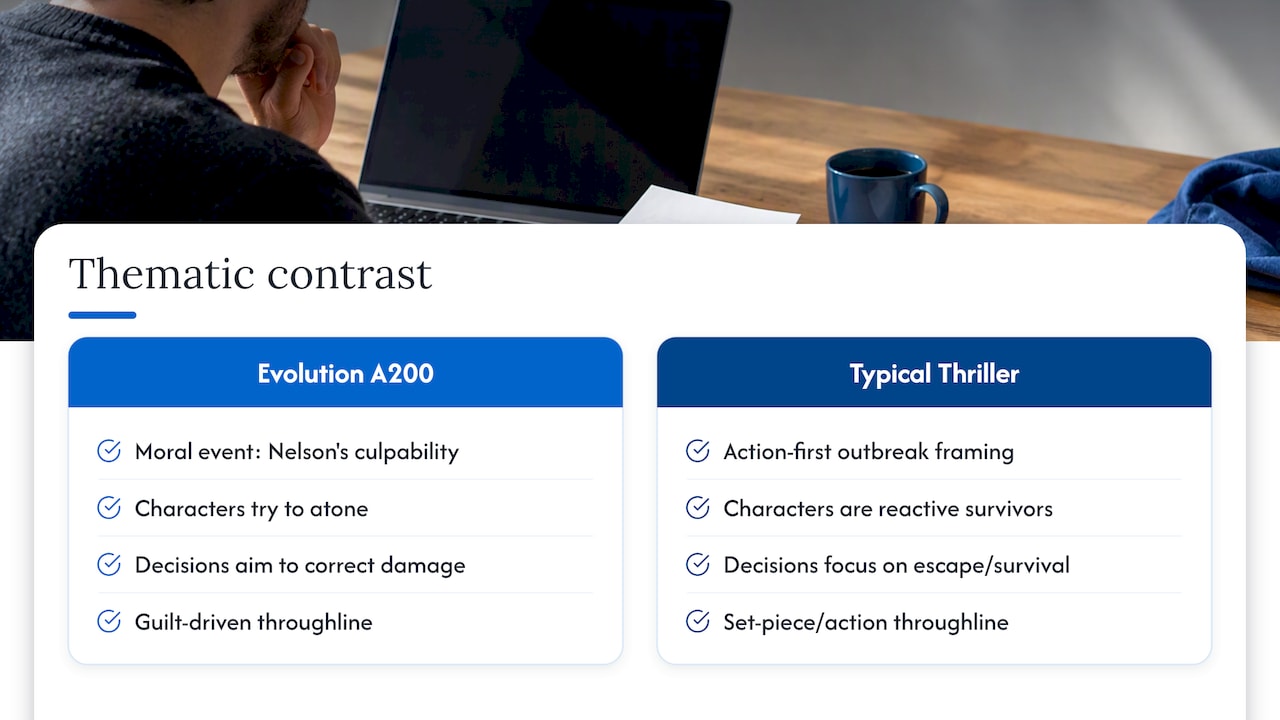
Evolution A200 treats its outbreak as a moral event as much as a biological one. The author’s own framing centers the plague’s release on Dr. Nelson’s culpability, and that choice shapes everything downstream: her decisions are not purely tactical, they are attempts to answer for what she started.

This is where the book diverges from action-first zombie fiction. A typical outbreak thriller treats its survivors as reactive, people dodging threats and improvising weapons. Evolution A200 keeps circling back to responsibility: who caused this, what does atonement look like when the damage is already planetary, and can a single person’s remorse mean anything against a collapsing world.

Readers watching for thematic cues should notice how often Nelson’s choices are framed as attempts to correct rather than simply survive. The novel rewards attention to small decisions, the moments when a character could cut losses and run but instead tries to fix what broke. That pattern is the throughline, more than any specific set piece.

Pro Tip: Read the early expedition chapters slowly. The guilt that fuels the rest of the book is planted there, and skimming it will flatten everything that follows.

Guilt, responsibility, and redemption drive the tension — overview diagram

How readers and critics have responded so far

Evidence of reception is mixed in source but not in tone. On the retailer side, Amazon lists a 4.4 out of 5 rating from 33 reviews, which signals that people who bought and finished the book tend to rate it favorably.

A 4.4 out of 5 average across 33 Amazon reviews points to a positive but small sample: enough to suggest satisfaction among purchasers, not enough to stand in for broad critical consensus.

A few things worth keeping separate when you weigh this evidence:

  • Retailer ratings reflect buyers who chose to review, which skews toward engaged readers.
  • Community discussion threads show active reader interest but are not the same as edited criticism.
  • No wide body of professional reviews turned up in available coverage, so treat the rating as reader sentiment, not critical consensus.
  • A 33-review sample is honest data but still small enough that a handful of reviews can move the average noticeably.

Who will enjoy Evolution A200

This book fits readers who want their horror psychological rather than kinetic. If you finish zombie novels wishing the characters had spent more time wrestling with what they’d done, this is built for you.

  • You prefer character studies over body counts and action sequences.
  • You enjoy moral ambiguity and slow-burn dread rather than constant immediate threat.
  • You don’t mind a protagonist whose guilt is the engine of the plot.
  • You’re comfortable with pandemic and outbreak material, since the premise leans into global collapse and its human cost.

Pacing runs closer to introspective than propulsive, so go in expecting a slower burn than typical outbreak fiction.

Where to find it: formats and access

Evolution A200 is available as an ebook and in paperback through its Amazon product listing, with a separate Kindle edition listing for digital readers.

  • Ebook and paperback formats are both listed on Amazon.
  • Kindle Unlimited subscribers can read the book at no added cost.
  • The author’s book page offers a fuller synopsis before you commit to a purchase.
  • Readers who like sampling chapters first can also check preview resources from curated horror sites before buying.

Why Nathaniel Connors’ catalog matters here

Dark supernatural fiction often explores what happens inside a person after they’ve caused real harm. That focus runs through The Nether and Stories of a Condemned Soul as much as it does here, which is part of why the thematic weight in this novel feels consistent rather than incidental.

These titles share a commitment to psychological consequence over spectacle, and are accessible to Kindle Unlimited subscribers, which lowers the barrier for readers testing whether this register of horror works.

A closer look at the plot without spoiling the ending

The expedition that triggers the outbreak is deliberately detailed early on, giving readers enough context to understand how a contained research effort turns into a global crisis. From there, the novel splits its attention between the macro scale (governments and military units trying to slow a plague that won’t be slowed) and the micro scale (Dr. Nelson’s attempts to make sense of her role in starting it).

The structure avoids a tidy redemption arc. Instead, it tracks a series of choices Nelson makes under worsening conditions, each one testing whether atonement is even a coherent goal once the damage has gone global. Supporting characters orbit her story less as a cast of equals and more as pressure points: people whose survival or loss sharpens what her guilt actually costs.

Nothing here resolves as cleanly as genre convention might suggest, and the ending leans into ambiguity rather than closure. That choice will frustrate readers who want a clean wrap-up and satisfy readers who came for the moral weight rather than a tidy finish.

The voice behind the apocalypse

The narrative voice stays close to Dr. Nelson’s interiority, favoring reflection over rapid-fire action beats. Sentences tend toward the deliberate, giving guilt and dread room to accumulate rather than rushing past them for the next crisis.

This is a stylistic choice that marks the book as psychological horror first and outbreak thriller second. Readers used to fast-cut, plot-driven pandemic fiction may notice the slower rhythm immediately. Those who enjoy spending time inside a character’s conscience will find the pacing suits the material.

How it stacks up against other outbreak fiction

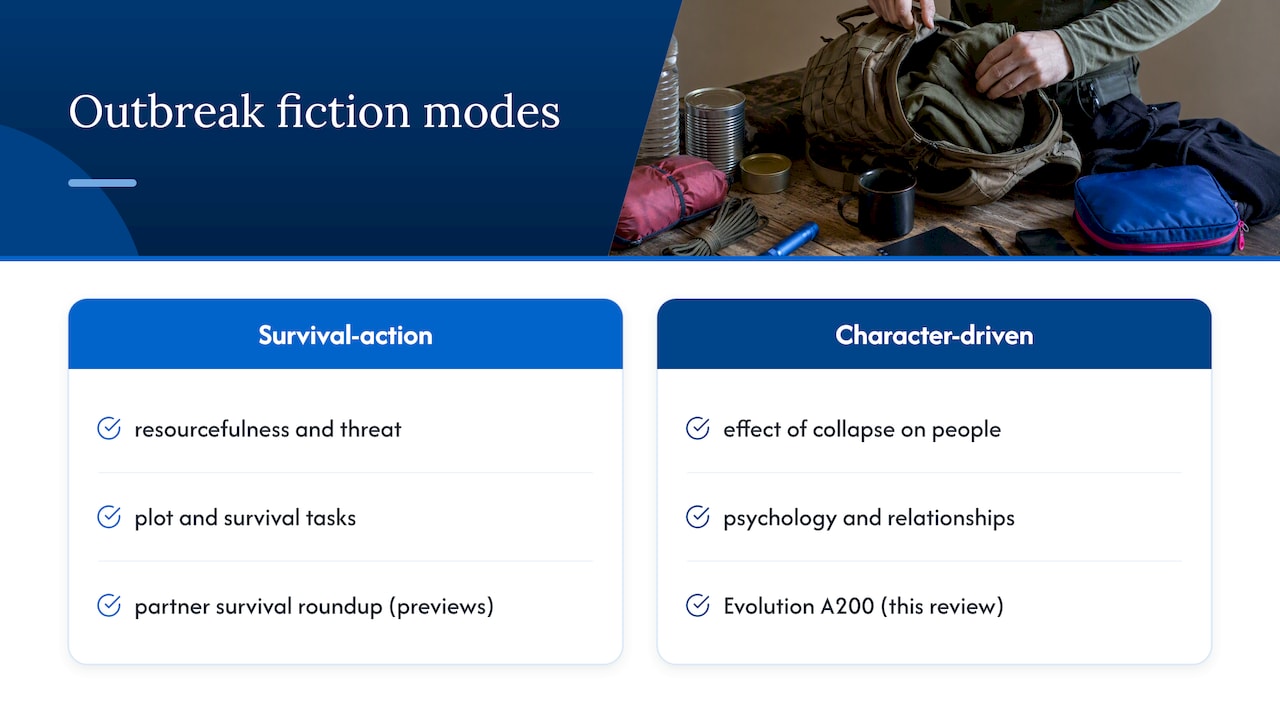
Pandemic and apocalypse fiction tends to split into two camps: survival-action stories focused on resourcefulness and threat, and character-driven stories focused on what collapse does to the people inside it. Evolution A200 sits firmly in the second camp.

Two approaches to outbreak fiction compared

Readers who want a wider map of the subgenre can browse our roundup of pandemic apocalypse novels or our look at bubonic plague tropes in fiction for context on how this book’s approach compares to others using similar plague premises. If you’d rather sample a few outbreak titles before committing, this partner roundup of survival horror books offers chapter previews worth checking.

Strengths and weaknesses worth weighing

The book’s clearest strength is its refusal to let the apocalypse overshadow the person who caused it. That choice gives the novel staying power that pure spectacle often lacks.

Its clearest limitation is pacing: readers expecting constant forward motion may find the introspective stretches slow. The small review sample on retailer platforms also means reception data, while positive, is not yet broad enough to call definitive.

Who should pick this book up

Evolution A200 suits adult readers comfortable with dark themes, moral ambiguity, and a protagonist defined by fault rather than heroism. The reading level sits at a standard adult fiction register: no specialized vocabulary, but emotionally dense material that rewards patience over speed-reading.

It is not aimed at readers looking for young-adult-friendly pacing or lighter horror. If graphic consequence and sustained guilt as a narrative engine sound appealing, this book was built for you.

Where this book fits in our catalog

Evolution A200 extends a thread we return to across our work: what a person owes once their actions cause irreversible harm. We wanted the emotional experience here to sit closer to quiet dread than jump-scare horror. Readers who connect with Dr. Nelson’s arc may also want to start The Nether next.

— Nathaniel

Ready to start reading Evolution A200

We keep our catalog built around one idea: horror works best when the monster is partly the person telling the story. Evolution A200 is available in full on our book page, where you can read the complete synopsis before buying, and it’s included at no added cost if you subscribe to Kindle Unlimited.

Nathanielconnors

  • Browse our full book catalog if you want to see everything we’ve published.
  • Check our dystopian horror roundup for similar reads once you finish.
If you want Start here
The book itself Evolution A200 book page
More from our catalog Browse all books
A similar psychological read The Nether

FAQ

Is Evolution A200 worth reading for horror fans?

It’s worth reading if you prefer psychological and moral horror over action-driven zombie fiction. The 4.4 out of 5 rating from 33 Amazon reviews suggests buyers who finished it responded well, though that sample is still small.

Is Evolution A200 available on Kindle Unlimited?

Yes, Evolution A200 is accessible to Kindle Unlimited subscribers at no added cost, alongside a separate Kindle ebook listing for individual purchase. Paperback and standard ebook formats are also available through its Amazon listing.

Who is the author of Evolution A200?

Evolution A200 was written by Nathaniel Connors, who specializes in dark supernatural fiction exploring guilt, revenge, and redemption. Other titles in the same thematic vein include The Nether and Stories of a Condemned Soul.

Does Evolution A200 have professional critical reviews?

Professional critical coverage for Evolution A200 appears limited based on available searches, with most visible feedback coming from retailer ratings and reader discussion rather than edited review outlets. The Amazon aggregate rating offers the clearest available reader-sentiment signal.

What kind of horror reader will enjoy this book most?

Readers who enjoy character-driven horror with moral ambiguity and slow-burn dread will connect with this book most, since it centers on a scientist’s guilt rather than nonstop survival action. If you want constant action over introspection, the pacing may feel slower than expected.

Recommended

  • Evolution A200: A Bubonic Apocalypse
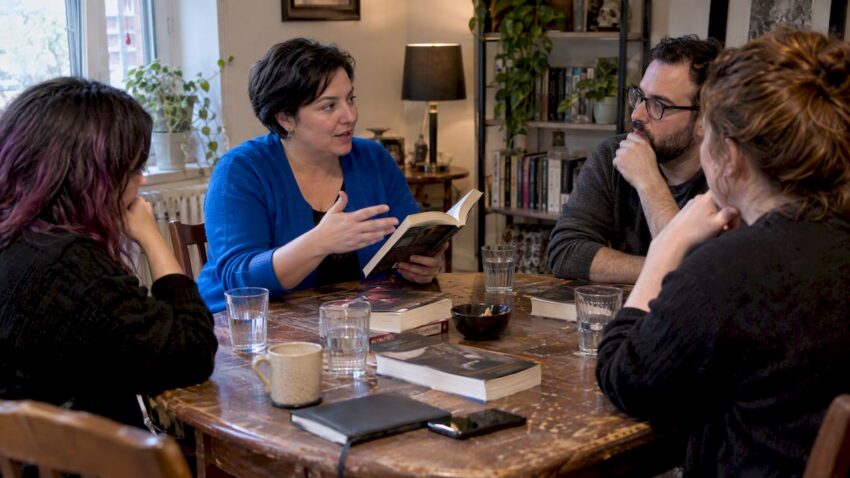
Host guiding a horror book club discussion

For Hosts: Horror Book Club Questions, Formats & Author Prompts

Posted on October 8, 2026October 10, 2026 by NConnors

Here are categorized, ready-to-use horror book club questions and a facilitator checklist you can bring to your next meeting. The sets below move from easy icebreakers through atmosphere and craft, character and motive, supernatural metaphor, narration, and endings, then into practical meeting formats, a printable prep sheet, and prompts drawn directly from an author’s own craft notes.


TL;DR:

  • Most impactful scenes often rely on sensory details and pacing choices that generate atmosphere, rather than explicit plot points or violence.
  • Discussions about supernatural elements should focus on their metaphorical meanings related to social fears, trauma, or personal struggles.
  • Engaging debate about character motives, villains, and whether they are victims or villains can reveal deeper thematic layers and moral ambiguity.
  • The narrative structure, especially unreliable or multi-perspective narrators, significantly influences audience trust and suspense.
  • Ending satisfaction hinges on whether the climax feels earned or leaves unresolved questions, often enhancing thematic depth through ambiguity.

Nathanielconnors
Find Horror Worth Discussing
Explore dark supernatural fiction shaped by psychological depth, emotional conflict, and stories that stay with readers after the final page.

Visit Nathaniel Connors

Table of Contents

  • 1. Starter questions to open discussion without spoilers
  • 2. Atmosphere and craft questions that unpack how dread gets built
  • 3. Character, motive, and villain questions that test empathy
  • 4. Supernatural elements as metaphor: what the monster really means
  • 5. Narration and structure: trusting (or distrusting) the storyteller
  • 6. Debriefing endings and the questions that never get answered
  • 7. Meeting formats that keep horror discussions lively and safe
  • 8. A facilitator checklist and printable question sheet
  • 9. Author-sourced prompts for ambiguous endings and psychological character work
  • 10. A host’s note on balancing curiosity with care
  • Where to find book club picks with real staying power
  • FAQ
  • Sources

1. Starter questions to open discussion without spoilers

The first ten minutes of any horror meeting set the tone. Skip plot recap and go straight to impression and reaction, since most effective horror discussions avoid long summaries in favor of thematic or emotional questions that get everyone talking fast, a practice Bustle’s host guidance recommends for keeping energy high.

These ten prompts work before anyone risks a spoiler:

  1. What single moment stuck with you most, and why?
  2. Did the opening chapter earn your trust, or did it take time?
  3. Would you recommend this book, and to whom specifically?
  4. What mood were you in when you finished the last page?
  5. Which scene would you cut if you were editing this book?
  6. Did the title match the story once you finished it?
  7. What did the cover art get right or wrong?
  8. If you had to describe this book in one sentence to a friend, what would you say?
  9. Was there a line or phrase you wanted to underline?
  10. On a gut level, did this book scare you, unsettle you, or just intrigue you?

Use a round-robin format for the first few questions so quieter members speak before louder ones dominate the room. Save deeper analysis for the sections below once everyone has had a turn.

2. Atmosphere and craft questions that unpack how dread gets built

Once the group has warmed up, shift from reaction to mechanics. Horror book-club questions commonly zero in on setting and atmosphere alongside the specific suspense techniques an author uses, according to the Bookclubs ultimate discussion question list. Ask members to point to exact sentences or scenes where dread built, rather than describing a general feeling.

  • Which sensory details (sound, smell, light, temperature) did the author use to build unease?
  • Where did pacing slow down right before something happened, and why might that choice work?
  • Did the setting itself feel like a character, and what gave it that weight?
  • Which scene break or chapter cut created the sharpest jolt?
  • Was there a moment of silence or stillness that felt louder than noise?
  • Did foreshadowing pay off, or did it feel like a cheat once you knew the ending?

Pro Tip: Ask one member to read a short, unsettling passage aloud, then spend two minutes discussing what made it effective before moving on.

For members who want to study these techniques further, our craft guide on writing psychological horror breaks down how dread gets constructed sentence by sentence, and our collection of psychological horror quotes offers short, ready-made passages if you want options beyond the book itself.

3. Character, motive, and villain questions that test empathy

Villain portrayal is one of the most consistent threads in genre-specific discussion guides, and horror book clubs tend to get their liveliest debates when members are asked to argue a character’s actions rather than just judge them, per the Bookclubs question list.

Try these prompts to surface disagreement:

  • Was the antagonist a villain, a victim, or both, and what evidence supports your read?
  • Which choice did the protagonist make that you would have made differently?
  • Did any character’s fear feel more real to you than the supernatural threat itself?
  • At what point, if any, did your sympathy for a character shift?

For a livelier session, run a short paired debate:

  1. Split into pairs and assign one member to argue the antagonist deserves sympathy.
  2. Give each pair three minutes to build their strongest case.
  3. Have each pair present their argument to the group in under a minute.
  4. Open the floor for rebuttals before moving to the next topic.

This format tends to surface opinions that a simple round-robin question never would.

4. Supernatural elements as metaphor: what the monster really means

Genre-specific guides frequently frame supernatural elements as metaphors for real-life fears rather than as plot devices on their own, a pattern the Bookclubs discussion list highlights across thriller and horror titles. Pushing your group toward this interpretation turns a scary story into a conversation about something larger.

  • What do you think the central supernatural element actually represents?
  • Would the story lose meaning if the supernatural threat were removed, or only lose scares?
  • Does the uncanny element connect to a historical event, social fear, or personal trauma?
  • If you had to defend the metaphor to someone who thought it was “just a ghost story,” what would you say?

Close this section with a quick vote: ask each member to name the single strongest metaphor in the book, then tally results out loud. Disagreement here almost always generates the best follow-up conversation of the night.

5. Narration and structure: trusting (or distrusting) the storyteller

Narrator perspective shows up again and again in genre discussion frameworks, particularly when a book uses an unreliable narrator, multiple points of view, or a non-linear timeline, as noted in the Bookclubs discussion question resource. These structural choices are often where horror does its quietest, most effective damage.

  • Did you trust the narrator from the start, or did doubt creep in gradually?
  • If the book used multiple perspectives, whose version did you believe most and why?
  • Would an earlier scene read differently if you reread it knowing how the book ends?
  • Did the timeline’s structure (linear, fractured, or reversed) change how you experienced suspense?

Pro Tip: When a structural reveal is the twist, ask members to raise a hand before discussing it so anyone catching up can step out of the room for thirty seconds.

6. Debriefing endings and the questions that never get answered

A satisfying horror ending doesn’t always mean a resolved one. Published question lists for thriller and horror titles consistently include prompts about whether the ending felt earned, alongside space for members to name what was left unresolved, a structure confirmed by the Bookclubs PDF question list.

  • Did the ending feel earned, or did it arrive too fast?
  • Name one question the book never answered. Does that bother you or intrigue you?
  • If you could ask the author one thing about the final chapter, what would it be?

Run a quick structured vote: ask each member to rate their satisfaction with the ending on a show of fingers, one to five, then discuss the split. Horror can push past scares into real thematic territory, and ambiguous endings are often where that theme crystallizes. If the ending touched on grief, violence, or loss that hits close to home for someone in the room, give members an easy out to pass on a question without explanation.

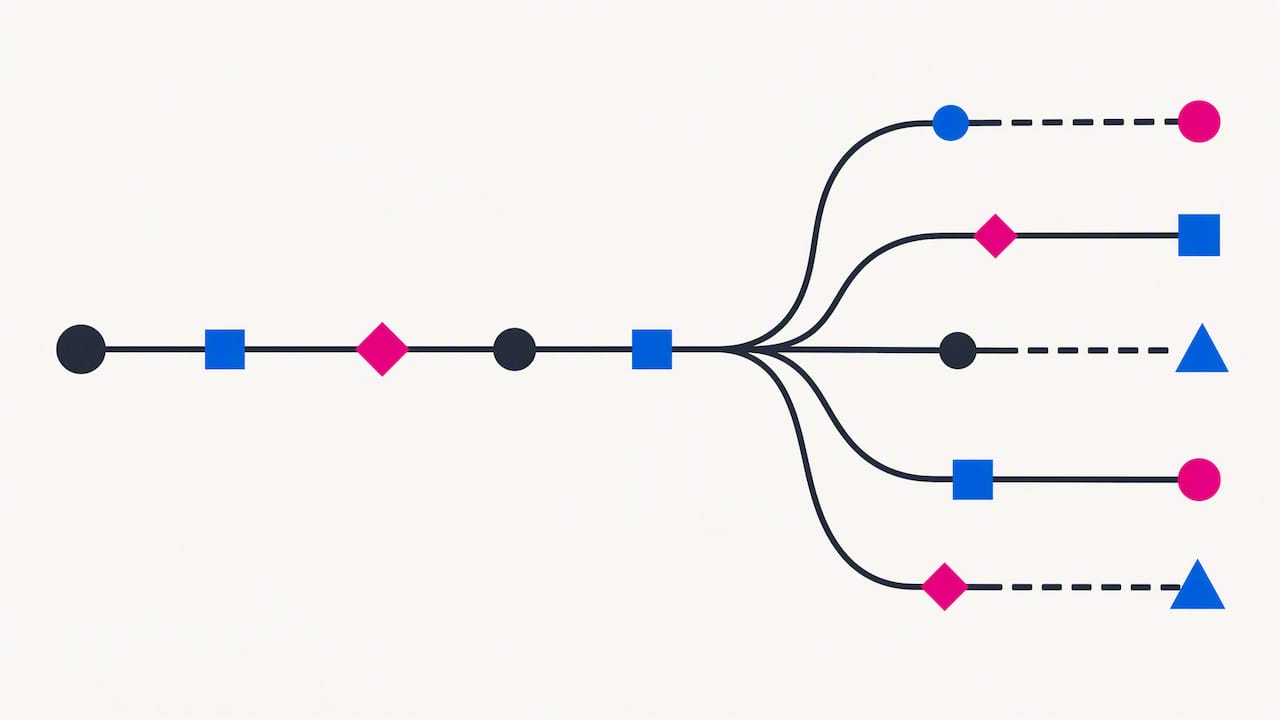
For a deeper dive into this exact topic, our piece on sixteen ambiguous endings and their prompts walks through how different authors handle unresolved finales.

Branching paths represent unresolved story endings

7. Meeting formats that keep horror discussions lively and safe

Structure keeps a horror meeting from drifting into either a scare contest or a dry book report. These formats work well in rotation:

  1. Round-robin opener (10 minutes): one quick reaction question per person, no debate yet.
  2. Craft deep-dive (15 minutes): atmosphere and structure questions, often with a read-aloud passage.
  3. Paired debate (10 minutes): character or villain motive argued in pairs, then shared.
  4. Metaphor vote (5 minutes): quick group vote on the strongest thematic interpretation.
  5. Ending debrief (10 minutes): satisfaction rating plus unresolved questions.
  6. Closing round (5 minutes): one-word reactions to send everyone home.

Post a content warning before the meeting and let members opt out of specific questions without pressure. Low-cost mood setting, a single prop on the table or a quiet instrumental playlist, adds atmosphere without relying on gratuitous scare tactics that can alienate sensitive readers.

8. A facilitator checklist and printable question sheet

A short pre-meeting checklist keeps a horror discussion from feeling chaotic:

  • Confirm the spoiler policy and share it before the meeting starts.
  • List content warnings relevant to the book (violence, self-harm, grief).
  • Assign rough time blocks for each section above.
  • Print or share a digital copy of your chosen question set in advance.
  • Offer an accessible format (large print or screen-reader-friendly document) if anyone needs one.

Copy any of the question sets above into a shared document or printed handout, then hand it out at the door so members can jot notes mid-chapter next time. The table below helps you pick which set to lean on depending on your club’s goal for the night.

Club goal Best question set to lead with
Light, low-spoiler warm-up Starter questions
Craft-focused analysis Atmosphere and craft questions
Deep thematic discussion Supernatural metaphor and endings questions

9. Author-sourced prompts for ambiguous endings and psychological character work

As the author behind The Nether, Stories of a Condemned Soul, and Evolution A200: A Bubonic Apocalypse, Nathaniel Connors builds stories around deep psychological exploration and characters whose motives stay murky long after the last page. These prompts come straight from that approach to craft.

For ambiguous endings:

What did the ending withhold on purpose, and what would be lost if it explained everything?
If the final scene is read as a metaphor rather than a literal event, what changes?
Which character’s fate feels most unresolved, and does that unresolved feeling serve the story?

For psychological character study:

Does this character’s fear say more about them or about the world that shaped them?
Where does guilt, rather than fear, seem to be driving the plot forward?
If this character got one honest moment with no consequences, what would they finally say?

Hosts can use these to steer conversation toward theme and ethics instead of letting the discussion settle for shock value alone.

10. A host’s note on balancing curiosity with care

10. A host's note on balancing curiosity with care — overview diagram

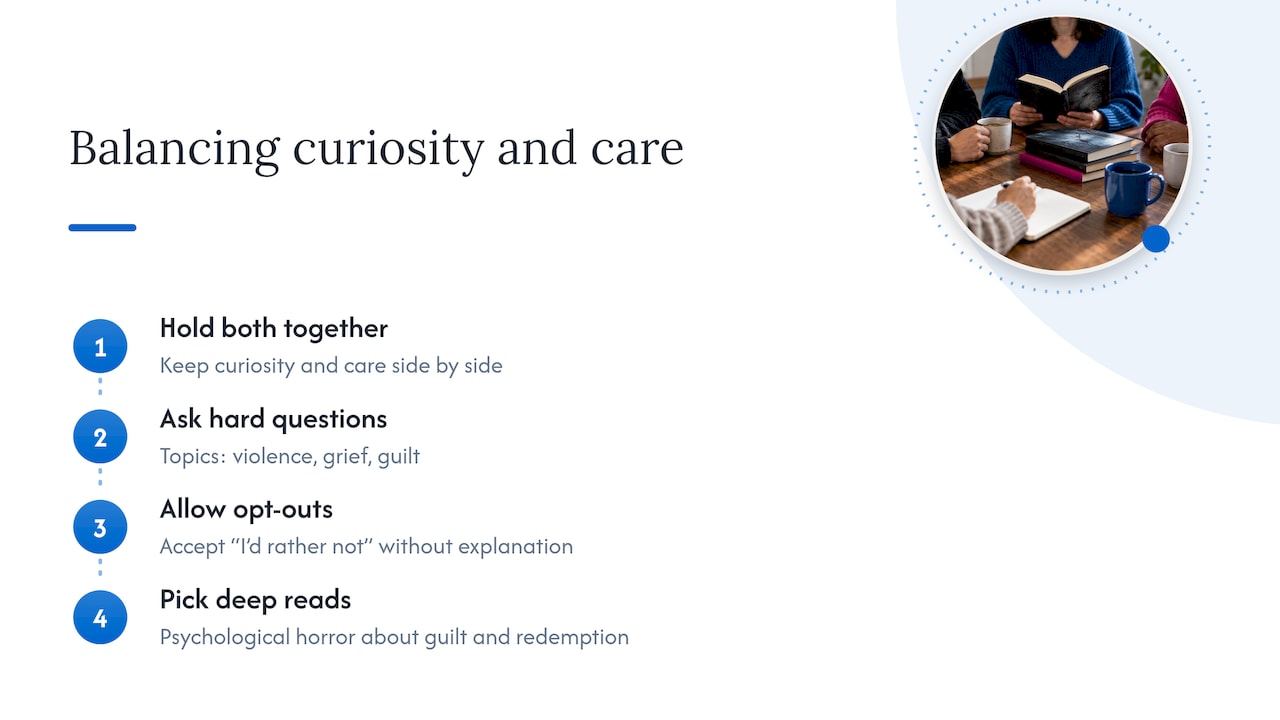
Horror book clubs work best when curiosity and care sit side by side. Ask the hard questions, the ones about violence, grief, or guilt, but leave room for someone to say “I’d rather not go there tonight” without explanation.

If your group is hunting for a next pick with this kind of depth, psychological horror built around guilt and redemption tends to generate exactly these conversations.

— Nathaniel

Where to find book club picks with real staying power

Dark supernatural fiction is built for exactly this kind of conversation: stories about guilt, revenge, and redemption that leave characters’ motives genuinely up for debate. Clubs drawn to ambiguous endings and quiet psychological dread tend to gravitate toward certain titles, while groups that prefer a wider-scale, dystopian backdrop for their horror often pick others.

Nathanielconnors

Browse our full lineup on the books category page to find your club’s next pick, all available free through Kindle Unlimited.

FAQ

What are some funny questions I can ask in a book club?

Light questions work well as icebreakers even in a horror club: ask which character would survive a real horror movie, or which plot twist made someone physically jump. These lower the stakes before moving into heavier thematic discussion.

What is considered the scariest book of all time?

There’s no single agreed-upon answer, since “scariest” depends heavily on personal triggers and reading history. Curated horror roundups, like the one from BookPage, tend to favor literary horror that lingers through theme rather than a single universally crowned title.

What are some good book club discussion questions?

Strong discussion questions move past plot summary into craft, character motive, and theme, covering atmosphere, suspense technique, villain portrayal, and whether supernatural elements function as metaphor, a structure reflected in the Bookclubs ultimate question list. Starting with a low-spoiler icebreaker before moving into these deeper prompts keeps the whole group engaged.

What are some good horror books for a book club?

Look for horror that raises thematic questions about loneliness, trauma, or moral complexity rather than relying only on scares, the kind of pick BookPage recommends for literary horror discussions. For clubs drawn to character-driven dread and guilt-laden plots, our Nether series offers that same kind of lingering ambiguity.

Sources

  • The Ultimate List of Book Club Discussion Questions for Fiction and Nonfiction | Bookclubs
  • Thought-Provoking Horror to Read With Your Book Club | BookRiot
  • 4 literary horror picks for book clubs tired of romance | BookPage

Recommended

  • Match Your Nerve: 8 Gateway Picks to Choose a Horror Book
  • Finish Tonight: Nathaniel Connors’ Short Horror Novels for One Sitting
  • How to Discover Indie Horror Worth Your Time
  • 10 Cult Horror Novels That Will Haunt Your TBR
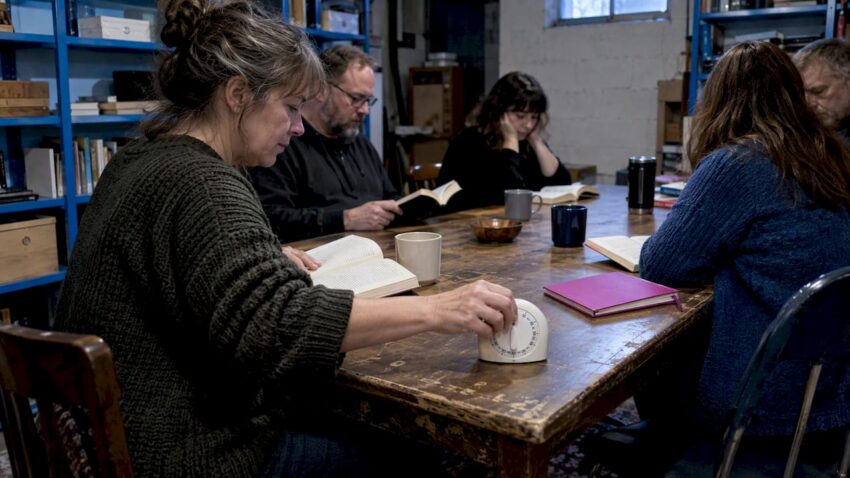
Book club member starting a meeting timer

Ready for 60–90 Minute Evolution A200 Book Club Questions

Posted on October 7, 2026October 10, 2026 by NConnors

This page gives you a ready-to-use set of book club questions and facilitation notes for Evolution A200: A Bubonic Apocalypse. Use the core question set below for a tight 60-minute meeting, or add the thematic and character clusters for a fuller 90-minute session. For author context and the full synopsis, see the official book page.


TL;DR:

  • The novel’s pacing accelerates after the outbreak begins, highlighting the shift from initial calm to chaos as conditions worsen.
  • Characters face moral compromises that are often justified by their circumstances, but some decisions reflect deep internal guilt or betrayal.
  • Trust breakdowns significantly influence character choices, with suspicion and betrayal shaping survival strategies and moral boundaries.
  • The book’s themes of guilt, revenge, and redemption are central and recur across Connors’s work, framing the outbreak as both literal and metaphorical.
  • The book contains adult themes of violence, death, and illness, which should be flagged for sensitive readers before discussion.

Nathanielconnors
Continue Into Connors’s Dark Fiction
Explore Evolution A200 and other haunting stories shaped by guilt, revenge, redemption, and the psychological monsters within us.

Visit Nathaniel Connors

Table of Contents

  • 1. Core discussion questions for your meeting
  • 2. Thematic prompts for a deeper discussion
  • 3. Character questions and a hot-seat activity
  • 4. Quotes and passages worth reading aloud
  • 5. How to run a focused 60 to 90 minute meeting
  • 6. Why Nathaniel Connors’s background shapes these questions
  • 7. Where to find the book and share this guide with your club
  • FAQ
  • Sources

1. Core discussion questions for your meeting

Run these in order and you will cover plot clarity, interpretation, and reflection without losing momentum. Start with the comprehension questions so everyone is working from the same facts, then move into the interpretive cluster where most of your meeting time should go.

  1. What event sets the outbreak in motion, and how does the novel’s pacing change once the apocalypse begins?
  2. Which character’s choices surprised you most in the first third of the book?
  3. How does the setting shift the mood of the story as conditions worsen?
  4. What does survival cost each of the main characters by the book’s midpoint?
  5. Where do you see guilt operating as a motive rather than just an emotion?
  6. Does the novel treat the plague as a literal threat, a metaphor, or both? What is your evidence?
  7. How does Connors use pacing to control tension in the quieter chapters versus the outbreak scenes?
  8. Which moral compromises feel justified given the circumstances, and which do not?
  9. What role does trust, or the breakdown of it, play in how characters make decisions?
  10. Did any character’s arc feel like redemption, punishment, or something else entirely?
  11. How does the ending reframe earlier events you thought you understood?
  12. If you had to summarize the book’s central question in one sentence, what would it be?
  13. What would you want to ask Connors directly about this book?
  14. Which scene would you want to reread knowing how the story ends?
  15. What similar novel would you recommend next to someone who finished this one?

2. Thematic prompts for a deeper discussion

Pick one or two clusters rather than all of them if your meeting runs an hour. Each cluster works best with a short passage reread before the prompts.

  • Plague as metaphor: Ask what the outbreak represents beyond a literal disease, and where the text supports that reading.
  • Guilt and complicity: Ask which characters carry guilt they never name out loud, and how that silence shapes their choices.
  • Survival ethics: Ask whether the book presents survival as morally neutral or as something that corrupts.
  • Pacing and dread: Ask how the slow build in early chapters changes the impact of later events; our slow-burn horror piece breaks down this technique if your group wants more on craft.
  • Isolation versus community: Ask whether characters fare better alone or in groups, and what the novel seems to argue about that.

Pro Tip: Reread the scene tied to your chosen theme out loud before opening the floor. It resets the room’s memory and keeps the conversation anchored to the text instead of general impressions.

3. Character questions and a hot-seat activity

Spend five to eight minutes per major character before moving to the activity.

  • For the protagonist: What does this character want at the start, and how does that goal change by the end?
  • For a secondary survivor: Where does this character cross a line they said they never would?
  • For any antagonist or rival figure: Is this character’s logic internally consistent, even when it is unsettling?
  • For the narrator, if unreliable: What does the narration leave out, and why might that omission matter?

Try a hot-seat activity: one member answers questions in character for five to ten minutes while the group presses on motivations and blind spots. It works especially well for characters whose moral reasoning splits the room, since it forces the group to argue the character’s logic rather than just react to it.

4. Quotes and passages worth reading aloud

Choose two or three of these rather than reading all of them; save time for discussion after each.

  • A line describing the first confirmed outbreak: ask what tone the author sets at that moment and whether it matches what follows.
  • A passage where a character rationalizes a hard choice: ask whether the reasoning holds up under pressure.
  • An exchange between two survivors near the midpoint: ask what it reveals about trust breaking down.
  • A quiet, reflective passage before a turning point: ask why Connors slows the pace here.
  • The final page or closing lines: ask what question the ending leaves open on purpose.

Readers on Goodreads have discussed Evolution A200 in NetGalley reading-challenge threads, which shows active engagement with the book among club-style readers. Some passages deal with illness, death, and survival violence directly, so flag those sections ahead of time if your group includes sensitive readers. Reading key passages aloud, rather than summarizing them, tends to surface sharper reactions once discussion opens.

5. How to run a focused 60 to 90 minute meeting

A simple timeline keeps the conversation moving instead of stalling on one tangent.

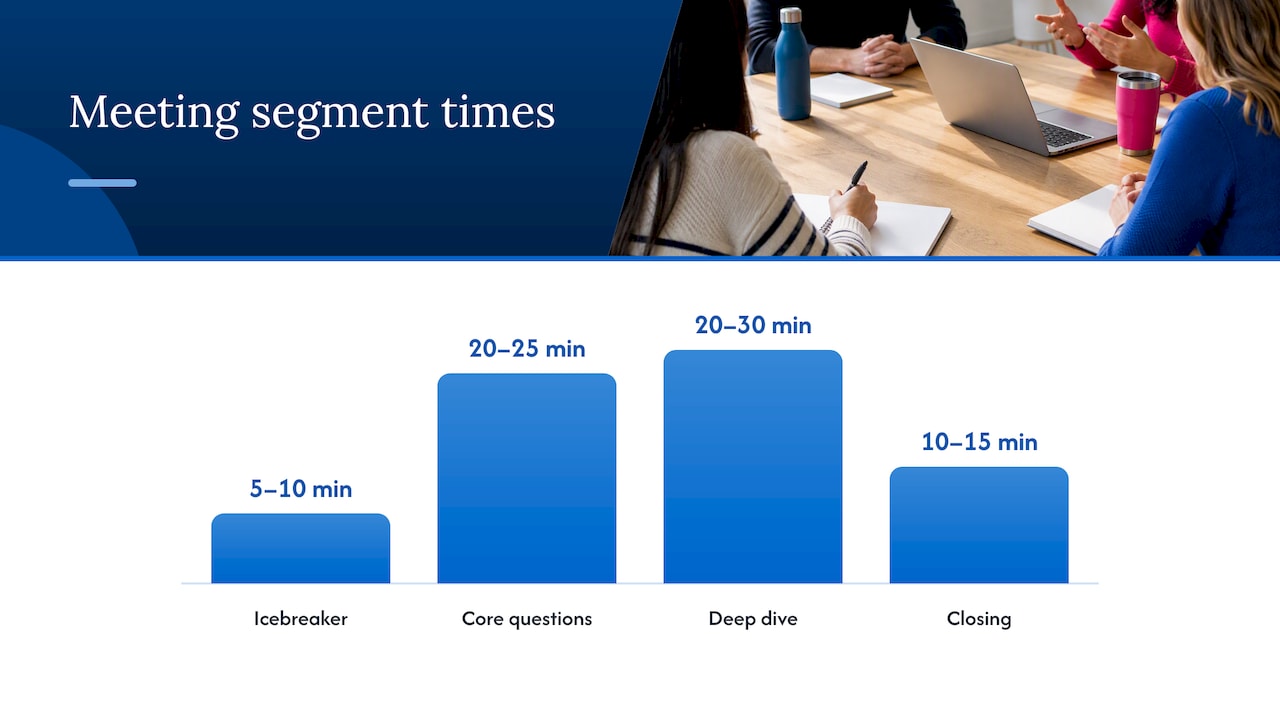
  1. Icebreaker (5-10 minutes): Ask “what was your first moment of dread in this book?” or have each person share a one-line survival strategy they would use in the characters’ situation.
  2. Core questions (20-25 minutes): Work through the comprehension and early interpretive questions from the first section.
  3. Deep dive (20-30 minutes): Pick one thematic cluster or the character hot-seat activity.
  4. Closing (10-15 minutes): Use the reflective questions to wrap up and suggest a next read.

When a tangent pulls the group away from the book, a simple redirect works: “that’s worth unpacking, how does the text itself support that?” Watch for members who seem uncomfortable with the illness or violence content and give them an easy way to step back from a passage without putting them on the spot.

Pro Tip: Appoint a timekeeper before the meeting starts. Groups that skip this step almost always run out of time for the closing questions.

Timeline for a focused book club meeting

6. Why Nathaniel Connors’s background shapes these questions

Nathaniel Connors writes dark supernatural and dystopian fiction, with titles including The Nether and Stories of a Condemned Soul alongside Evolution A200: A Bubonic Apocalypse. Across his work, recurring threads of revenge, guilt, and redemption surface again and again, and Evolution A200 uses an outbreak setting to push those same questions into a survival context. Knowing that pattern helps a moderator frame questions about guilt and moral compromise as part of a larger authorial concern rather than isolated plot details. For direct quotes and additional framing, the official book page is the best primary source.

— Nathaniel

7. Where to find the book and share this guide with your club

Evolution A200: A Bubonic Apocalypse is available in ebook and paperback formats and reads free for Kindle Unlimited subscribers. Browse the full books category for this title and related series if your club wants to plan a follow-up read.

Nathanielconnors

Share the question sets above in your club’s newsletter or social post with a caption like “Our next pick dives into guilt, survival, and an outbreak that won’t stay contained.”

What you get Where to find it
Core and thematic question sets This guide
Official synopsis and author notes Book landing page
Format availability (ebook, paperback, Kindle Unlimited) Books category page

FAQ

How long should an Evolution A200 book club meeting run?

Plan for 60 to 90 minutes using the agenda above: a short icebreaker, core questions, one deep-dive activity, and a closing reflection. Groups that skip the icebreaker often run short on closing time instead.

Does Evolution A200 contain content that needs a trigger warning?

Yes, the book includes illness, death, and survival-related violence, so flag the quotes section passages before reading them aloud. Giving members a heads-up beforehand lets anyone step back from a specific passage without disrupting the meeting.

Is Evolution A200 available on Kindle Unlimited?

Yes, Evolution A200: A Bubonic Apocalypse reads free for Kindle Unlimited subscribers, and it is also available in ebook and paperback formats. Check the books category page for current format links.

What other Nathaniel Connors books pair well with a club discussion of Evolution A200?

The Nether and Stories of a Condemned Soul share the same recurring themes of guilt, revenge, and redemption that run through Evolution A200. A club that enjoys this title often finds those two a natural next pick.

Where can I see how other readers reacted to Evolution A200?

Reading-challenge threads on Goodreads and NetGalley, including the September 2020 discussion and the December 2019 discussion, show the book listed among titles readers picked for group reads.

Recommended

  • Evolution A200: A Bubonic Apocalypse
Readers discussing a dark fiction book

Facilitators’ Kit: Book Club Questions for Stories of a Condemned Soul

Posted on October 6, 2026October 10, 2026 by NConnors

This page gives you ready-to-use discussion question sets grouped by character, symbolism, ethics, and ending, plus a verdict map template and a copyable meeting agenda for Stories of a Condemned Soul. Use the sections below in order: they move from character motivation through symbolism and ethics to a structured ending debate, the same sequence discussion-guide practice recommends for analyzing dark fiction.


TL;DR:

  • Most discussions should focus on whether Jon’s consent was impaired by grief and alcohol during the initial deal with the Salesman, rather than assuming full free will.
  • The pub, whiskey, contract, and Salesman serve as key symbols representing liminal space, grief, temptation, and moral binding, which deepen the novel’s themes.
  • Ethical debates should distinguish between Jon’s pre-deal guilt, manipulated wrongdoing, and his spiritual condemnation to clarify the moral implications.
  • A structured verdict map improves clarity by listing concrete evidence supporting Jon’s redemption or condemnation, enabling focused group voting.
  • A 60- to 90-minute meeting should follow a sequence from character and symbolism to ethics and finalize with the verdict map to maintain a purposeful discussion.

Nathanielconnors
nathanielconnors.com
Continue Into Darker Fiction
Explore Nathaniel Connors’ psychological horror, dystopian fiction, and emotionally charged stories that stay with readers after the final page.

Visit Nathaniel Connors

Table of Contents

  • Character and motivation questions
  • Symbolism and motifs: the pub, whiskey, the contract, and the Salesman
  • Ethics, revenge, and types of guilt
  • Ending interpretation and the verdict map
  • Meeting agenda and facilitation tips
  • Author perspective: Nathaniel Connors and availability notes
  • What this guide gets right that most discussion templates miss
  • Where to find the book and what to read next
  • FAQ
  • Sources

Character and motivation questions

Start where most strong discussions of morally complex fiction start: with the choice at the center of the plot. Jon drinks heavily, reaches a breaking point, and accepts a deal from a Salesman offering him a path to revenge, a sequence the book’s synopsis lays out directly. That sequence raises an immediate question: how much of what happens next is really his choice?

Grief and alcohol complicate consent in ways worth naming out loud rather than assuming. A group that treats Jon’s agreement as simple free will read the book very differently than a group that treats it as an impaired decision shaped by a manipulative outside party. Anchoring each answer to a specific scene, rather than a general impression, keeps the conversation evidence-based, a method reading-notes practice supports for fiction this morally loaded.

Bring these questions into the room:

  • Was Jon capable of giving informed consent in the pub scene, or had grief and drink already narrowed his judgment?
  • What does the Salesman say or withhold that nudges Jon toward the deal rather than away from it? This question echoes insights from escape room narrative design: crafting immersive stories about how narrative devices manipulate choices.
  • Find one line from the handshake scene that reads differently once you assume Jon was being manipulated.
  • Does the book ever let Jon reverse course, and if not, what does that tell you about his agency?

Symbolism and motifs: the pub, whiskey, the contract, and the Salesman

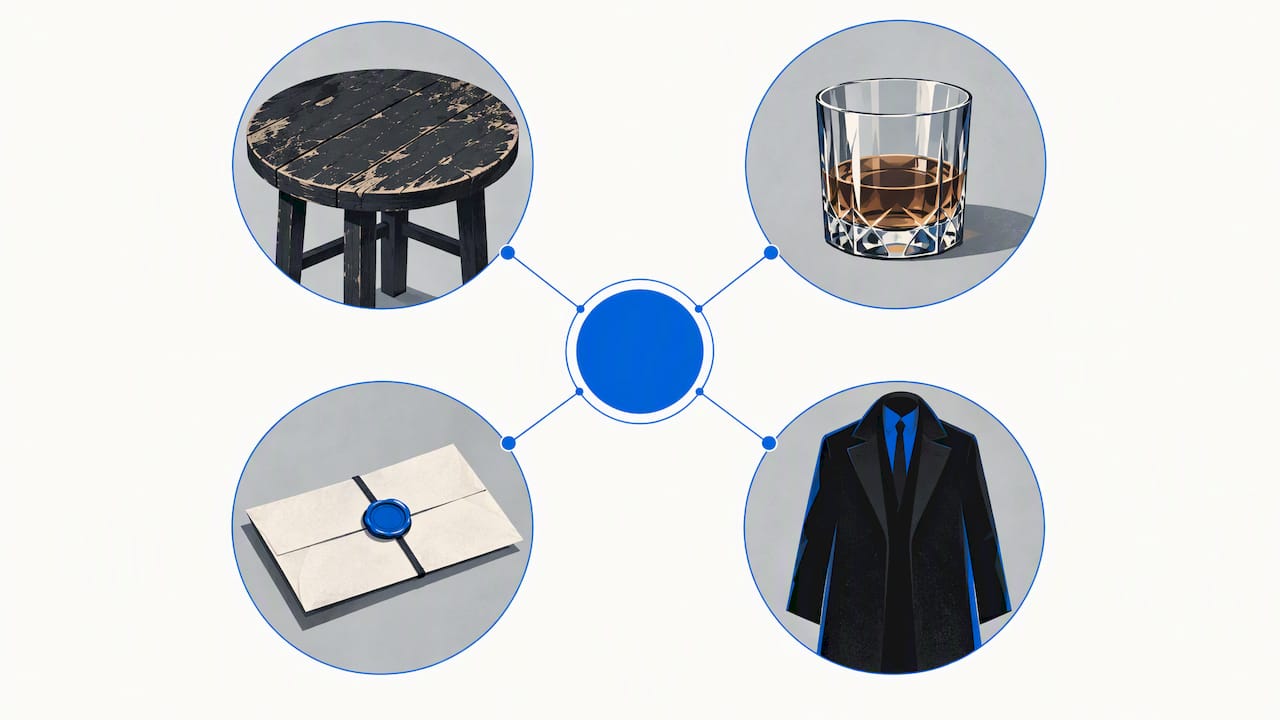
The objects and figures that recur throughout the novel are not decoration. Publisher and retail synopses point to the same four anchors: Jon in the pub, whiskey as a stand-in for grief, a Salesman who offers revenge, and a contract that binds the deal, a pattern confirmed by the publisher’s own synopsis. Reading each one symbolically changes what the plot means.

Four symbolic motifs linked in a fiction story

The pub works as a liminal space, a threshold where ordinary rules loosen and a bad bargain starts to look reasonable. Whiskey doubles as both numbing ritual and self-destruction, present at the exact moment judgment fails. The contract formalizes an exchange that should never be reduced to paperwork: a soul for a service. The Salesman himself belongs to a long literary tradition of tempter figures who offer exactly what a grieving person wants and nothing they actually need.

Use these prompts to open the motif conversation:

  • What changes in the story the moment Jon signs the contract rather than simply agreeing verbally?
  • Where else in literature have you seen a Salesman-like tempter, and how does this one compare?
  • Split into pairs and find two scenes where whiskey appears: what shifts in Jon between them?

Ethics, revenge, and types of guilt

Once the group has named the key symbols, move the conversation from what happens to whether it was right. This is where plot summary gives way to values talk, and it works best when the facilitator distinguishes between different kinds of guilt rather than treating guilt as one single feeling. A redemption-focused facilitation method recommends naming the specific value a book tests, here most likely justice versus vengeance, and returning every question to that value.

Four categories are worth separating out loud: emotional guilt Jon carries before the deal, the wrongdoing he chooses once the contract is signed, the wrongdoing the Salesman arguably manipulates him into, and the broader spiritual condemnation the title points toward.

  1. Does revenge in this story actually redeem Jon, or does it just vindicate his pain without resolving it?
  2. At what point does Jon stop being a victim of circumstance and become someone who chooses harm?
  3. Can a person be condemned for an act they were manipulated into wanting?
  4. What would a version of this story look like if Jon had refused the Salesman’s offer?

Pro Tip: Keep a running list on a whiteboard titled “Chosen” and “Manipulated” and sort each major plot event into one column as the group debates it.

Ending interpretation and the verdict map

The ending of Stories of a Condemned Soul resists a single clean reading, which makes it the right place for a structured exercise rather than an open-ended argument. Building a verdict map, a short list of evidence for “redeemed” and evidence for “not redeemed,” gives the group something concrete to vote on instead of talking in circles. This sin-to-attempt-to-verdict structure comes directly from redemption-theme facilitation guides, which find that a short, focused verdict map produces a clearer closing activity than an unstructured debate.

Build the map with the group in real time:

  • List two or three textual details that support reading Jon as redeemed by the end.
  • List two or three details that support reading him as still condemned.
  • Ask each member to vote and give one sentence of reasoning before moving on.
Reading Supporting evidence to cite
Redeemed Jon’s final choice reflects remorse rather than continued hatred
Not redeemed The contract’s consequences remain in effect regardless of Jon’s later regret
Ambiguous The novel declines to state outright which reading the author intends

Close the meeting by asking each member to write one sentence describing what justice would have looked like for Jon, separate from what the story actually gives him.

Meeting agenda and facilitation tips

A loose conversation about a book this morally dense tends to drift into plot recap. A timed agenda keeps the group moving from character to symbol to ethics to verdict, the same order library discussion guides use for morally dark fiction, with sample time budgets adaptable to shorter or longer meetings.

For a 60-minute meeting:

  1. Opening (10 minutes): one character question plus a round of initial reactions.
  2. Symbolism (15 minutes): small-group motif breakout, then share back.
  3. Ethics (20 minutes): guilt-type questions and the revenge debate.
  4. Ending and verdict map (15 minutes): build the map and vote.

A 90-minute meeting adds 15 minutes to the ethics block and 15 minutes to a closing round where members read their one-sentence justice statements aloud.

Pro Tip: When a quieter member hasn’t spoken, ask them to pick a side on the verdict map rather than answering an open question cold.

Author perspective: Nathaniel Connors and availability notes

Dark supernatural fiction often returns to themes of revenge, guilt, and redemption, and Stories of a Condemned Soul sits at the center of those concerns. Every question set above grew out of the same concerns that shape our work: what happens to a person’s moral standing once grief and manipulation enter the picture, and whether revenge ever actually settles anything.

The book is available on Stories of a Condemned Soul (Volume One), where groups can find purchase details, and it reads free for Kindle Unlimited subscribers, which makes it easy for every member to get a copy before the meeting.

  • Our recurring themes across titles are revenge, guilt, and redemption rather than conventional scares.
  • We built this guide’s structure around the same moral questions our fiction keeps returning to.
  • Copies are available in ebook and paperback, and readers with Kindle Unlimited can read without additional cost.

What this guide gets right that most discussion templates miss

Most book club question lists for dark fiction default to plot-recap prompts: what happened, who did what, how did it end. That approach wastes a group’s time on a novel built around a single moral hinge, Jon’s choice in the pub, and everything that follows from it. The conventional advice to “ask open questions and see where the conversation goes” works for light fiction and fails here, because without a named value to argue about, groups circle the same ground for an hour without reaching anything.

What matters most is forcing the group to commit to a position early, ideally by the symbolism section, so the ethics conversation has something to push against. A verdict map is not a gimmick: it is the mechanism that turns a vague feeling (“that ending was dark”) into an actual argument with cited evidence. Facilitators should prioritize that structure over trying to cover every theme the book touches. One well-argued verdict beats five shallow observations.

— Nathaniel

Where to find the book and what to read next

If your club wants to start with Stories of a Condemned Soul, the full catalog, including The Nether Series and EA200 Series, is available on the books page, with Kindle Unlimited access included for subscribers.

Nathanielconnors

For a second session built on the same themes, two of our posts pair well with this guide: a craft guide on psychological horror for groups curious about how dread gets built on the page, and a list of redemption arc books for clubs ready to compare Stories of a Condemned Soul against other earned-ending stories. Pick your next title from either list and carry the verdict map habit forward into your next meeting.

FAQ

What is the best order to run these discussion questions in?

Start with character and motivation, move through symbolism, then ethics, and close with the ending and verdict map. This sequence follows established discussion-guide practice for analyzing morally complex fiction and keeps the group building toward a final judgment rather than jumping around.

How long should a book club meeting on this novel run?

Both a 60-minute and a 90-minute agenda work, depending on how much time your group wants to spend on the ethics debate. The 90-minute version simply extends the ethics block and adds a closing round for members to share their final interpretations.

Was Jon manipulated or did he choose revenge freely?

The novel leaves this genuinely open, which is why it works well as a discussion topic rather than a settled fact. The synopsis shows Jon drinking heavily and in crisis before the Salesman’s offer arrives, which supports reading his consent as at least partly impaired.

How can we keep the discussion from turning into plot summary?

Anchor every question to a specific scene or line rather than a general impression, and use the verdict map to force the group toward an actual argument. Assigning small-group breakouts for the symbolism section also helps, since each pair returns with concrete evidence instead of vague reactions.

Where can our group get copies of the book before the meeting?

The book is listed on Stories of a Condemned Soul (Volume One), and it reads free for Kindle Unlimited subscribers. Members without a subscription can also buy the ebook or paperback directly.

Sources

  • Stories of a Condemned Soul — Goodreads
  • Purdue OWL — Writing prompts for analyzing fiction
  • Redemption themes and reading notes — RainingBook
  • A Lesson Before Dying — Durham County Library discussion guide

Recommended

  • Stories of a Condemned Soul (Volume One)
Figure crossing a dark psychological threshold

Free on Kindle Unlimited: Nathaniel Connors’ The Nether Characters

Posted on October 5, 2026October 10, 2026 by NConnors

The central figures of The Nether are a fractured protagonist chasing an answer that keeps costing pieces of themselves, and an antagonist whose menace grows from something closer than any outside monster. Together with a small circle of supporting characters, they carry the book’s psychological horror. The full story is available through Kindle Unlimited, and the official trailer gives an authoritative first look at how these characters are framed.


TL;DR:

  • The protagonist’s journey involves crossing a psychological threshold that symbolically represents confronting buried guilt, with their choices increasingly influenced by the supernatural nether.
  • The antagonist’s influence grows through subtle doubts and manipulations, transforming from a protective figure into a corrupting force over the protagonist’s decisions.
  • Supporting characters—including a symbolically supernatural figure and a confidant with unresolved guilt—serve to deepen the story’s atmosphere and reinforce themes of internal conflict and trust.
  • Character arcs emphasize gradual change driven by accumulating compromises, with the protagonist seeking acceptance, the antagonist overreaching, and others succumbing to past wounds.
  • The story’s tension relies on asymmetrical relationships built on vulnerability and uncertainty, rather than overt violence or gore, making it ideal for fans of psychological horror.

Nathanielconnors
Enter The Nether’s Psychological Horror
Explore Nathaniel Connors’ dark supernatural fiction, where rich characters and intricate plots examine guilt, revenge, redemption, and inner darkness.

Visit Nathaniel Connors

Table of Contents

  • Meet the main characters of The Nether
  • How the characters change: arcs and the themes behind them
  • Supporting characters and what they do for the story
  • Where these character details come from
  • What the characters symbolize
  • How the characters’ relationships drive the horror
  • How the characters develop across the narrative
  • How minor characters shape the story’s atmosphere
  • Why this cast matters if you read horror for the dread, not the gore
  • Read The Nether and see the characters for yourself
  • FAQ

Meet the main characters of The Nether

Every strong psychological-horror novel lives or dies by its cast, and The Nether builds its dread around a small group of characters whose motivations tangle together until the line between victim and threat blurs.

  • The protagonist: driven by a need to uncover what happened to them, or around them, that they cannot fully remember. Their psychological conflict sits between trusting their own perception and suspecting that something inside them is being rewritten.
  • The antagonist: less a conventional villain than a pressure that intensifies every time the protagonist gets closer to the truth. Their menace comes from familiarity rather than distance, which is what makes their presence so unsettling.
  • A key confidant figure: someone the protagonist leans on for grounding, whose own history carries unresolved guilt that mirrors the protagonist’s arc rather than simply supporting it.
  • A secondary antagonist or rival figure: this character complicates the main conflict by representing a different response to the same trauma the protagonist is working through, often one that looks like strength but curdles into something darker.

The protagonist’s defining trait is persistence under conditions designed to make persistence look like madness. Their origin, hinted at rather than explained in full, ties them to the book’s supernatural core: the “nether” itself functions less as a place and more as a psychological threshold, and the protagonist’s standout moments come when they choose to cross it anyway, aware of the cost.

The antagonist, by contrast, is built on restraint. Rather than overt violence, their power comes from knowing exactly which doubts to plant and when. This matches the book’s broader commitment to dread over shock, a choice that aligns with the dark supernatural psychological-horror register running through the author’s other work.

The confidant’s role deepens the emotional stakes. Their guilt is never treated as a plot device alone. It is written as a genuine parallel, suggesting that everyone touched by the nether carries some version of the same wound.

The rival figure exists to show what happens when someone chooses denial instead of confrontation, giving the protagonist’s harder path real weight by contrast.

How the characters change: arcs and the themes behind them

Each major figure in The Nether follows a distinct trajectory, and those trajectories are what carry the book’s themes of guilt, revenge, and redemption.

The protagonist’s arc reads as a descent that bends, late, toward something resembling redemption, though never a clean one. Early chapters show a character convinced that answers will restore control. As the story progresses, control turns out to be the wrong goal entirely, and the arc shifts toward acceptance of what cannot be undone. That shift is where the book’s redemption theme lives, and it is deliberately incomplete, which keeps the psychological stakes honest rather than comforting.

The antagonist’s arc moves in the opposite direction: a slow corruption dressed as certainty. What begins as an assured, almost protective presence curdles into something closer to possession of the protagonist’s choices. This is the “corrupted savior” shape, and it is central to why the antagonist reads as frightening rather than simply hostile.

The confidant follows a doomed redemption arc, attempting to make amends for past guilt through loyalty to the protagonist, only to find that loyalty itself becomes compromised by the same pressures working on everyone else in the story.

The rival figure’s arc is a cautionary descent, a version of the protagonist’s path without the late turn toward acceptance, which is what makes their fate function as a warning rather than a parallel triumph.

Four character arcs across guilt and redemption

Across all four, relationships escalate the psychological stakes more than any single event does. Trust, once given, becomes the lever the antagonist uses, and that mechanism, more than any overt violence, is what defines the book’s horror.

Supporting characters and what they do for the story

Supporting characters in The Nether rarely exist just to fill space. Each one performs a specific structural job that keeps the dread building between major confrontations.

  • The catalyst figure: sets events in motion early, often by delivering information the protagonist cannot verify, which plants the book’s central uncertainty.
  • A symbolic figure tied to the nether itself: appears at key turning points and functions almost as a visual shorthand for the threshold the protagonist keeps approaching.
  • A red herring character: initially coded as untrustworthy, used to misdirect suspicion away from the real source of danger.
  • A grounding figure: offers brief moments of ordinary life that make the supernatural intrusions land harder by contrast.

The symbolic figure is the most explicitly supernatural of the supporting cast, appearing in ways that resist straightforward explanation. The rest stay human, which keeps the horror psychological rather than monster-driven.

Where these character details come from

Readers who want to verify character details before committing to the book can check Nathaniel Connors’ own pages directly. The author specializes in dark supernatural fiction with a stated focus on psychological depth and character development, a positioning reflected across titles including The Nether, Stories of a Condemned Soul, and Evolution A200: A Bubonic Apocalypse.

The official trailer frames these characters through tone and visual cues rather than exposition, giving readers a sense of how dread is built before a single page is turned.

The Nether is available to read through Kindle Unlimited at no added cost, and the author’s home page outlines the broader catalog these characters belong to.

What the characters symbolize

The nether itself works as the book’s central symbol: a liminal psychological space rather than a literal setting, and each character’s relationship to it carries meaning. The protagonist’s repeated attempts to cross it represent the pull toward confronting buried guilt, even when confrontation promises pain rather than relief.

The antagonist symbolizes the seductive comfort of certainty. Their influence works precisely because doubt is exhausting, and they offer an answer, even a false one, as relief from that exhaustion.

The confidant represents the cost of unresolved guilt passed between generations or relationships, a theme that recurs across the author’s broader catalog of dark supernatural fiction. Their loyalty, compromised as it becomes, stands in for how guilt quietly reshapes the people closest to us.

The symbolic supporting figure tied directly to the nether functions as a recurring reminder that the threshold is never fully closed. Its appearances mark the moments where the psychological and the supernatural overlap most directly, reinforcing that the horror here is as much about what a person carries internally as what pursues them externally.

What the characters symbolize — overview diagram

How the characters’ relationships drive the horror

The relationships in The Nether are built on asymmetry: one character almost always knows more, or claims to, than the other. That imbalance is where most of the book’s tension originates, more so than any single supernatural event.

The protagonist and antagonist relationship works because it resists a clean label. It reads at times as protective, at times as controlling, and the ambiguity is the point: a purely hostile dynamic would be easier to resist than one that keeps offering comfort alongside pressure.

The confidant relationship offers the clearest contrast, a bond built on shared vulnerability rather than power. Its gradual erosion, as outside pressures seep in, tracks closely with the protagonist’s own unraveling, suggesting that no relationship in the story is fully insulated from the nether’s influence.

The rival figure’s interactions with the protagonist function as a mirror held up at an angle. Their choices look similar on the surface, which makes their diverging outcomes land harder.

How the characters develop across the narrative

Character development in The Nether happens less through dramatic reversal and more through accumulation. Small compromises build until a character’s position has shifted entirely, often without a single moment that announces the change.

The protagonist’s development is the clearest example: early confidence in their own memory erodes gradually, replaced not by certainty of the opposite but by a harder, more honest uncertainty. That shift is framed as growth rather than defeat, which is part of what gives the book’s ending its weight.

The antagonist’s development runs in reverse, with early restraint giving way to overreach as their influence grows. The confidant and rival figure both develop in response to the protagonist rather than independently, which keeps the narrative’s focus tight even as the supporting cast expands the atmosphere.

How minor characters shape the story’s atmosphere

Minor characters in The Nether do quieter work than the main cast, but their presence shapes how dread accumulates across the book. Brief, almost incidental encounters often carry disproportionate weight, planting unease that pays off chapters later.

Several minor figures exist mainly to populate the ordinary world the protagonist is losing grip on, and their normalcy is the point: the more mundane a scene feels, the harder a supernatural intrusion lands against it. Others appear only once, delivering a detail or a reaction that recolors an earlier scene without ever returning to the story directly.

This approach to staging and framing, using brief appearances to maximum atmospheric effect, echoes techniques also used in immersive, character-driven formats; a useful parallel comes from how actors shape tension in escape room design, where a few seconds of presence can redefine a room’s entire mood.

Why this cast matters if you read horror for the dread, not the gore

What stays with readers after The Nether is not a single scare but the slow accumulation of characters whose motivations keep shifting under scrutiny. If you read horror for atmosphere and psychological unease rather than shock, this is the kind of cast built for you: character-driven horror readers and Kindle Unlimited subscribers looking for a story that rewards attention to relationships rather than jump scares.

— Nathaniel

Read The Nether and see the characters for yourself

If these character dynamics sound like the kind of dread you want to sit with, The Nether is free to read through Kindle Unlimited, with no added cost to subscribers. The full catalog, including The Nether and Evolution A200: A Bubonic Apocalypse, is organized on one page for easy browsing.

Nathanielconnors

  • Start with the dedicated Nether landing page for context and reading links.
  • Browse the complete lineup on our books category page.
  • Watch the official trailer first if you want a sense of tone before committing to the full read.

Readers drawn to slow-building psychological dread over gore will likely find this the right entry point into our catalog. Borrow it through Kindle Unlimited or start with a sample chapter whenever you are ready.

FAQ

Who are the main characters in The Nether?

The story centers on a protagonist searching for answers tied to a traumatic gap in their memory, opposed by an antagonist whose influence grows from familiarity rather than outright threat. A confidant and a rival figure round out the core cast, each reflecting a different response to guilt.

Is The Nether available on Kindle Unlimited?

Yes, The Nether is available to read through Kindle Unlimited at no added cost to subscribers. The book’s official page confirms availability alongside other reading options.

Does The Nether contain major spoilers if I read a character guide first?

A character guide focused on roles, motivations, and symbolism can be read without revealing major plot twists. This article avoids detailing specific plot events to keep the reading experience intact.

Is The Nether connected to Nathaniel Connors’ other books?

The Nether shares thematic ground, particularly guilt and psychological unraveling, with other titles such as Stories of a Condemned Soul and Evolution A200: A Bubonic Apocalypse, though each book stands as its own story. All three reflect the same focus on dark supernatural fiction and character-driven horror.

Where can I watch the official trailer for The Nether?

The official THE NETHER book trailer is hosted on the author’s site and offers a visual sense of tone and character framing before you start reading.

Recommended

  • Kindle Unlimited Psychological Thrillers by Nathaniel Connors
  • Free Read With Kindle Unlimited: Enter the Worlds of Nathaniel Connors
  • How Kindle Unlimited Works for Nathaniel Connors Readers
Reader choosing dark horror on Kindle Unlimited

Discover Dark Supernatural and Psychological Horror on Kindle Unlimited

Posted on October 4, 2026October 10, 2026 by NConnors

Kindle Unlimited is worth it for horror readers who read at least a few books a month and don’t mind digging past bestseller lists for indie finds. The subscription earns its cost through sheer discovery potential and the freedom to try unfamiliar authors without a purchase decision attached to each one. If you read slowly or want to own permanent copies, the math gets shakier. Run a quick reading volume check and a short trial before committing.


TL;DR:

  • Kindle Unlimited is most cost-effective for regular horror readers who borrow multiple indie titles monthly and enjoy exploring new authors without owning copies.
  • The library’s availability fluctuates frequently, so checking individual titles’ KU badges is essential before borrowing or recommending titles.
  • Heavy readers benefit most from the subscription, especially those who prefer series and anthologies, while slow readers or those seeking permanent ownership may find less value.
  • Managing a rotating queue of diverse horror subgenres and screening titles with previews maximizes the subscription’s worth within the 20-book borrow limit.
  • Quality varies across indie titles, and borrowed books are not owned permanently, so frequent cancellation or inconsistent collection size can limit long-term use.

Nathanielconnors
Find Your Next Dark Fiction Read
Explore Nathaniel Connors’s psychological horror, supernatural fiction, and dystopian tales through stories of guilt, revenge, and redemption.

Visit Nathaniel Connors

Table of Contents

  • What Kindle Unlimited offers horror readers
  • Who actually gets their money’s worth from KU
  • The trade-offs horror fans should weigh first
  • A workflow for finding good horror on KU
  • Starter picks across horror subgenres on KU
  • Why dark supernatural readers often start here
  • A quick rule of thumb for deciding
  • Where to start if you want a ready-made horror pick
  • FAQ
  • Sources
  • Primary sources used for claims and further reading

What Kindle Unlimited offers horror readers

Amazon describes Kindle Unlimited as giving subscribers access to more than 5 million digital titles and thousands of audiobooks, with eligible books marked by a Kindle Unlimited badge on their product pages. That badge is the only reliable way to confirm a title is actually included, since browsing a general horror category will mix KU and non-KU books together.

The borrowing system itself has specific rules worth knowing before you start:

  • You can borrow up to 20 titles at once with no due dates, returning any of them early to free up a slot.
  • Magazines and certain periodicals carry their own separate limits within the subscription.
  • Horror on KU leans heavily toward indie and self-published novels, themed anthologies, and a rotating set of classic reprints.

Availability shifts constantly. A title you bookmark today may lose its KU badge next month, so always check the individual listing rather than relying on memory or an old recommendation.

Who actually gets their money’s worth from KU

The simplest value test is a break-even comparison: tally what you’d normally spend buying horror ebooks in a typical month, then compare that to the subscription price. If you’d buy two or three indie horror novels a month anyway, KU likely pays for itself through borrowing alone, even before counting the books you sample and abandon for free.

Some reader habits line up with that math better than others:

  1. Binge-genre readers who move through several horror titles a month get the most per-dollar value since they’re not paying per book.
  2. Series readers benefit because they can queue up an entire backlist without committing to each volume individually.
  3. Indie explorers who enjoy testing unfamiliar authors get a low-risk way to sample titles they’d otherwise skip at full price.

Readers less likely to benefit include slow readers who finish only one or two books a month, anyone chasing new hardcover bestsellers the week they launch, and readers who simply prefer owning permanent copies over a revolving library. For a side-by-side on subscription math versus outright purchases, see this decision guide comparing Kindle Unlimited and buying ebooks.

The trade-offs horror fans should weigh first

KU’s flexibility comes with real costs. Amazon’s own Kindle Unlimited Terms of Use state plainly that titles can be added or removed at any time, with no guarantee a book stays available, and that access ends the moment your membership does. That means the collection you build your reading plan around today isn’t fixed.

A few other drawbacks worth knowing:

  • Quality varies widely across the indie horror catalog, since anyone can publish, and editing polish is inconsistent from title to title.
  • You never own the books outright: cancel the subscription and borrowed titles disappear from your device.
  • The 20-title borrow cap means heavy readers have to manage their queue instead of stockpiling everything that looks interesting.

Pro Tip: Use the “Look Inside” preview and check a title’s rating count before borrowing, and return anything that hasn’t hooked you by chapter three so you’re not wasting a borrow slot on a book you’ll abandon.

A workflow for finding good horror on KU

Scrolling KU’s horror category alone wastes time, since the front page tends to surface the same handful of heavily promoted titles. A better approach treats discovery as a repeatable process rather than random browsing.

  1. Filter by horror subcategories and anthology collections, since themed collections often group tighter, better-curated selections than the general horror list.
  2. Check ratings, review counts, and sample chapters before committing a borrow slot, since a few minutes of preview reading catches most mismatches early.
  3. Build a rotating sample set: one full-length novel, one anthology or novella, and one unfamiliar indie title, then swap out whichever disappoints first.
  4. Cross-reference Amazon’s categories against outside reader lists, Goodreads shelves, or author-curated roundups, since those often surface subgenres the algorithm buries.

Independent guides back up this rotating approach: practical sampling workflows that mix novel, novella, and indie experiment tend to get more value out of KU’s borrow limit than committing to one book at a time. For a deeper dive into vetting indie authors specifically, the guide to discovering indie horror worth your time covers red flags and reliable signals beyond star ratings.

Pro Tip: Keep your 20 slots in rotation rather than full, since an empty slot or two lets you grab a recommendation the moment it comes up instead of waiting to finish your current queue.

Kindle Unlimited queue rotation with open slots

Starter picks across horror subgenres on KU

A handful of entry points show where KU’s horror catalog is strongest, spanning different tastes within the genre:

  • Psychological horror readers tend to gravitate toward slow-burn dread over jump scares, a lane covered in more detail in this breakdown of psychological horror that creates dread without gore.
  • Dark supernatural fans looking for a KU-available starting point can try The Nether, which leans into haunting, character-driven supernatural horror.
  • Readers who prefer dystopian horror with a slower existential dread can try Evolution A200: A Bubonic Apocalypse, a pandemic-driven dystopian horror novel.
  • Short-fiction fans who want variety without a long commitment can try Stories of a Condemned Soul, a collection built for readers who like horror in smaller doses.
  • Classic horror and themed reprint collections also cycle through KU eligibility periodically, though availability varies by edition and should always be confirmed on the book’s own Amazon page.

The curated list of Kindle Unlimited horror books expands on these picks with more titles across subgenres.

Why dark supernatural readers often start here

Nathaniel Connors writes dark supernatural fiction and psychological horror centered on guilt, revenge, and redemption, with several works available to Kindle Unlimited subscribers. That KU availability matters for exactly the discovery problem this article covers: readers can sample character-driven dark supernatural horror without a separate purchase decision for each title.

For readers building a KU reading queue, these titles fit naturally alongside the subgenre breakdowns in this guide, since they cover various types of horror in one author’s catalog. The subscriber page confirming KU availability lists current titles and formats.

Why dark supernatural readers often start here — overview diagram

A quick rule of thumb for deciding

Adventurous readers willing to try unfamiliar indie horror get real value from KU; readers who want to own their favorites outright probably won’t. Try a 30-day test: pick three titles across formats (novel, anthology, indie experiment), finish what hooks you, and judge the subscription by how much satisfaction you got per dollar, not by how many books sat unread in your queue.

— Nathaniel

Where to start if you want a ready-made horror pick

If you’d rather skip the trial-and-error, Nathaniel Connors’ Kindle Unlimited titles cover three different horror lanes in one catalog: dark supernatural dread in The Nether, dystopian horror in Evolution A200: A Bubonic Apocalypse, and bite-sized short fiction in Stories of a Condemned Soul.

Nathanielconnors

A few ways to start sampling:

  • Browse the full catalog on the books landing page to see which subgenre fits your mood.
  • Read the curated list of best KU horror picks for more titles beyond this author’s own.
  • If you’re not subscribed yet, Amazon’s free trial period is the lowest-risk way to test whether KU’s catalog matches your reading habits before paying for a full month.

FAQ

What is the scariest book on Kindle Unlimited?

“Scariest” is subjective and KU’s catalog changes often, so no single title holds that title permanently. Dark supernatural and psychological horror readers often find strong tension-driven picks among indie novels and anthologies, but always check a book’s current KU badge and reviews before borrowing.

At what point is Kindle Unlimited worth it?

It tends to pay off once you’d otherwise buy more than a couple of horror ebooks a month, since the subscription cost competes directly against those individual purchases. Readers who borrow several books monthly or enjoy sampling indie authors see the clearest value.

What are the drawbacks of Kindle Unlimited?

The catalog isn’t fixed. Amazon’s own terms state titles can be added or removed at any time, and access ends when your membership does, so you never truly own what you borrow. Indie-heavy selection also means quality and editing vary more than with traditionally published books.

What’s worth reading on Kindle Unlimited?

Strong picks vary by subgenre, but psychological horror, dark supernatural fiction, and themed anthologies tend to be well represented. Dark supernatural readers can start with titles like The Nether, while short-fiction fans might prefer a collection like Stories of a Condemned Soul, checking each book’s KU badge before borrowing.

Sources

  • What is Kindle Unlimited? — About Amazon
  • Understanding the Kindle Unlimited Subscription and Benefits – Amazon Customer Service
  • How does Kindle Unlimited work? — BookBub blog
  • What is Kindle Unlimited? — Digital Trends

Primary sources used for claims and further reading

  • What is Kindle Unlimited? — About Amazon
  • Understanding the Kindle Unlimited Subscription and Benefits – Amazon Customer Service
  • Kindle Unlimited terms of use — Amazon
  • How does Kindle Unlimited work? — BookBub blog
  • What is Kindle Unlimited? — Digital Trends

Recommended

  • Best Kindle Unlimited Horror Books for Subscribers
  • Kindle Unlimited Psychological Thrillers
Reader choosing horror on Kindle Unlimited

Readers: Find Slow Burn Non Supernatural Horror on Kindle Unlimited

Posted on October 3, 2026October 10, 2026 by NConnors

For this article, non supernatural horror refers to dark, psychological supernatural fiction: stories where hauntings and uncanny forces exist, but the real terror comes from the mind under pressure. These books are widely available through Kindle Unlimited on Amazon, and this guide shows you how to find, sample, and choose them, with Nathaniel Connors as one author working squarely in this space.


TL;DR:

  • Most modern supernatural horror focuses on psychological depth, atmosphere, and ambiguity, emphasizing character’s trauma and guilt over explicit scares.
  • Titles on Kindle Unlimited allow free sampling with badges, favoring slow-burn, character-driven stories that reward sustained attention and reading longer pages.
  • Choosing the right book depends on your preference for ambiguity versus clear supernatural reveals, pacing style, and whether you want a character or plot focus.
  • Non supernatural horror relies on realistic settings, human threats, and themes like betrayal and survival, creating suspense rooted in plausibility and familiar scenarios.
  • Nathaniel Connors’s works exemplify character-driven supernatural horror, emphasizing introspective dread and ambiguity, and are available on Kindle Unlimited for easy access.

Nathanielconnors
Find Your Next Psychological Horror
Nathaniel Connors writes dark supernatural fiction with psychological depth, intricate plots, and themes of revenge, guilt, and redemption.

Explore Nathaniel Connors

Table of Contents

  • Modern supernatural horror: what to expect from tone and technique
  • How Kindle Unlimited and Amazon make these books accessible
  • A practical checklist for choosing the right dark supernatural book
  • How supernatural and non supernatural horror actually differ
  • The themes and motifs that define non supernatural horror
  • Classic and modern works that shaped non supernatural horror
  • The psychological techniques that build fear without the supernatural
  • How non supernatural horror evolved and left its mark on culture
  • How realistic settings create suspense without a single ghost
  • An author’s view on psychological supernatural horror
  • Where to start with Nathaniel Connors’s supernatural fiction
  • Sources
  • FAQ

Modern supernatural horror: what to expect from tone and technique

Supernatural horror earns its name through elements that break natural law: a house that remembers what happened in it, a presence that answers back, a force with no biological explanation. What separates the modern, literary end of the genre from pulpier scares is where the camera points. Instead of lingering on the monster, these books linger on the person standing in front of it.

That psychological focus means trauma, guilt, and obsession do as much work as any ghost. The supernatural event often becomes a mirror for something the character already can’t escape: a death they caused, a secret they buried, a version of themselves they’re afraid of. Contemporary supernatural horror often favors character-driven psychological depth and atmosphere over graphic violence, building dread that lasts past the final page rather than a quick jolt that fades by morning.

A few narrative devices show up again and again in this mode:

  • Unreliable narrators whose grip on reality erodes alongside the reader’s certainty.
  • Slow-burn pacing that favors mounting unease over frequent jump scares.
  • Atmosphere and sensory detail doing more work than explicit violence.
  • Ambiguity about whether the supernatural is real or a symptom of the character’s mind.

None of this is new. The lineage runs from Gothic fiction’s haunted houses and family curses straight through to today’s supernatural horror, with classic essays tracing continuities in atmosphere and uncanny motifs from one era to the next. What’s changed is the ratio: modern writers tend to spend more time in a character’s head and less time describing the thing in the hallway.

How Kindle Unlimited and Amazon make these books accessible

If you’re building a reading list in this genre, Kindle Unlimited is worth understanding before you start searching. It’s a subscription service that lets you read eligible Kindle books without an extra purchase for as long as your subscription is active, and eligible titles carry a Kindle Unlimited badge right on their Amazon product page.

A Kindle Unlimited badge on a book’s Amazon page confirms it’s included in the subscription at no added cost, which means you can try a new author’s dark supernatural novel without weighing whether it’s worth the price of a single e-book.

Finding these titles is a short process:

  1. Search Amazon using specific genre terms like “psychological supernatural horror” or “haunted house novel” rather than just “horror.”
  2. Filter or scan results for the Kindle Unlimited badge before you click into a listing.
  3. Use the “Look inside” feature to read the opening pages and gauge the narrator’s voice and the pacing of the first scene.
  4. Check whether the blurb promises ambiguity (is it a ghost or a breakdown) versus a clearly explained monster, if sustained dread is what you want.
  5. Skim a handful of reviews for mentions of “slow burn,” “atmospheric,” or “character-driven,” which tend to flag the right subgenre.

It helps to know how the back end works, too. Authors enrolled in Kindle Unlimited earn royalties based on Kindle Edition Normalized Pages, or KENP, that unique customers read, rather than a flat sale price. That model rewards books that hold a reader’s attention page after page, which happens to favor exactly the slow-burn, character-first style this genre is known for. It also means there’s no added cost to you for sampling widely, trying a short story collection, or starting several books before committing to one.

A practical checklist for choosing the right dark supernatural book

Picking the right book in this genre comes down to matching a handful of variables to your own taste, rather than trusting a cover or a one-line pitch.

Start with these criteria before you commit to a full read:

  • Dread style: do you want ambiguity that never fully resolves, or a more explicit reveal of what’s haunting the characters?
  • Pacing: a slow burn that spends chapters building unease, or a brisker plot with more frequent turns?
  • Focal point: is the story mainly about a character’s psychology, or does it prioritize plot mechanics and spectacle?
  • Access: is the title available on Kindle Unlimited, so you can sample it without an added purchase?
  • Length: a standalone novel, a series opener, or a short story collection that lets you test an author’s mood in under an hour?

Once you’ve narrowed a few options, a short sample read answers most of what a blurb can’t. Pay attention to the narrator’s voice in the first few pages, whether the opening chapter commits to a mood or rushes toward action, and whether early reviewer comments mention sustained ambiguity or a quick explanation of the supernatural element. A book that explains its ghost by chapter three is signaling a different kind of read than one that lets you wonder for two hundred pages.

Watch for a couple of mismatches, too. If you want atmosphere over spectacle, heavy early gore is a sign the book is aimed at a different reader. And if the supernatural rules shift without explanation between chapters, that often points to plotting looseness rather than intentional ambiguity.

Pro Tip: Read a short story collection or a free sample chapter before committing to a full novel. It’s the fastest way to test whether an author’s sense of dread matches yours.

How supernatural and non supernatural horror actually differ

The clearest dividing line between these two branches of horror is whether anything in the story violates natural law. Supernatural horror relies on spirits, demons, or other unexplained phenomena that drive the plot, while the non supernatural branch keeps its threats entirely inside the natural world: a stalker, a disease, a flood, a person capable of real cruelty.

That single difference changes almost everything else about how each story works. Supernatural horror can use an unexplained force as a kind of pressure valve, a way to externalize guilt or trauma into something with its own will. Non supernatural horror has no such valve. Every threat has to be traceable to a human choice, a natural process, or an accident, which tends to push these stories toward procedural detail and realism rather than atmosphere for its own sake.
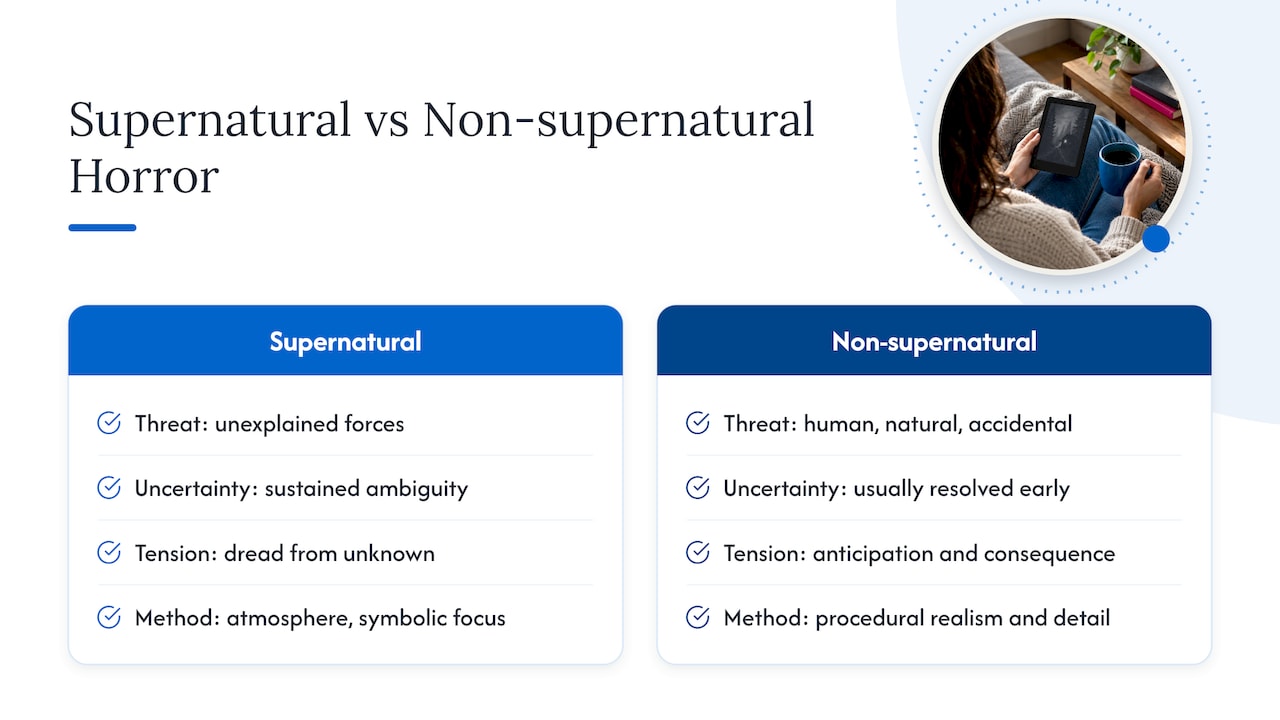
Comparison of supernatural and non supernatural horror

The emotional register differs too. A supernatural story can let dread sit in uncertainty: is the ghost real, or is the character unraveling? A non supernatural story usually answers that question early, because the threat is confirmed and physical, so its tension comes from anticipation and consequence rather than ambiguity about what’s happening. Readers drawn to one branch aren’t always drawn to the other. Someone who wants the slow unraveling of a haunted mind may find a home-invasion thriller too blunt, while a reader who wants grounded stakes may find a ghost story’s ambiguity frustrating rather than haunting.

The themes and motifs that define non supernatural horror

Non supernatural horror tends to organize itself around threats a reader could plausibly encounter: isolation, captivity, disease, violence at the hands of another person, or the slow erosion of trust in people who are supposed to be safe. The monster, when there is one, is always human or at least biological, never spectral.

Several motifs recur across this branch of the genre. Confined settings, a cabin, a basement, a stalled car, a locked room, show up constantly, because physical entrapment mirrors the psychological entrapment the story wants you to feel. Isolation from help, whether through geography, broken communication, or a character’s own secrecy, raises the stakes without needing a supernatural escalation. Survival and resourcefulness become central, since the protagonist has to out-think or outlast a threat using only ordinary means.

Trust is another recurring motif: a neighbor, a spouse, or a stranger who turns out to be the danger rather than the rescue. That betrayal lands harder than a supernatural jump scare because it suggests the threat was always available, hiding in a familiar relationship rather than arriving from outside the natural world. Disease and contagion appear often as well, since a slow-moving biological threat creates dread through inevitability rather than surprise.

Taken together, these motifs ask a different question than a ghost story does. A haunted house asks whether something unnatural is real. A non supernatural horror story asks what an ordinary person is capable of, and how far an ordinary situation can be pushed before it breaks someone.

Classic and modern works that shaped non supernatural horror

The branch of horror built entirely on human and natural threats has a long literary lineage, running from true crime adjacent fiction to survival narratives and psychological studies of violence. Early Gothic and sensation fiction occasionally experimented with explained supernatural events, mysteries that look paranormal but resolve into human schemes, which planted an early seed for stories that deliver dread without an actual ghost.

That tradition carried into film and fiction built around serial violence, isolation, and the fragility of civilization under pressure. Stories centered on a stalker, a kidnapping, or a survival scenario stripped of any paranormal element became their own durable strand of horror, often overlapping with the thriller and true crime genres. Writers working in this space tend to draw on procedural detail, criminal psychology, and plausible scenarios rather than folklore or the uncanny.

Modern entries in this branch frequently blur into prestige thriller territory: home invasion stories, wilderness survival narratives, and novels built around a predator hiding in plain sight. The appeal is the same reason true crime podcasts draw large audiences: the fear is calibrated to something that could, in principle, happen to the reader. That’s a different contract with the audience than a haunted house story offers, and it rewards a different kind of attention, one tuned to plausibility rather than atmosphere.

The psychological techniques that build fear without the supernatural

Without a ghost or a demon to do the heavy lifting, non supernatural horror has to generate fear entirely through craft: pacing, perspective, and the slow accumulation of plausible threat.

Unreliable narration still appears here, but it usually works differently than in a ghost story. Instead of making you doubt whether a haunting is real, it makes you doubt whether the narrator’s account of a crime, an accident, or a relationship is trustworthy, which creates suspense about facts rather than about the nature of reality itself.

Withholding information does most of the work that a supernatural reveal would otherwise do. A story that slowly discloses what a character has done, or what’s waiting in a locked room, builds the same kind of dread a haunted house builder gets from an unexplained noise, just rooted in human action instead of an uncanny force.

Proximity and plausibility matter enormously. A threat that lives next door, or wears an ordinary job, unsettles a reader in a way a demon can’t, because it suggests the danger was always available rather than summoned from outside the natural world. Writers lean on sensory detail, grounded settings, and believable timelines to keep that plausibility intact.

Finally, pacing substitutes for spectacle. Since there’s no supernatural escalation to fall back on, tension has to build through smaller, accumulating details: a missed phone call, a door that’s unlocked when it shouldn’t be, a stranger who remembers your name. Each detail reads as ordinary on its own and unsettling in sequence.

How non supernatural horror evolved and left its mark on culture

Horror without the paranormal has tracked closely alongside real-world anxieties for as long as the genre has existed, which is part of why it keeps resurfacing in new forms. Wartime and post-war fiction turned to stories of survival and captivity. Periods of high-profile violent crime pushed fiction and film toward predators modeled on real criminal psychology rather than folklore monsters. Pandemic-era anxieties have shown up in stories about contagion and quarantine that owe nothing to the supernatural at all.

True crime’s rise as a mainstream genre, across books, podcasts, and documentary series, has fed directly into this branch of horror fiction. Readers who consume true crime are often drawn to fiction that uses the same grammar: procedural detail, psychological profiling, and a sense that the events, while fictional, are plausible enough to have happened somewhere.

Culturally, this branch of horror has done more than entertain. It has given readers and viewers a way to process real anxieties, isolation, predation, disease, institutional failure, inside a contained fictional frame, where the fear is real but the exposure is controlled. That function helps explain why non supernatural horror tends to surge during periods of social unease rather than fading as a niche interest. It also explains its overlap with the psychological thriller, since both genres are ultimately interested in how far ordinary people can be pushed before something breaks.

How realistic settings create suspense without a single ghost

Setting does more work in non supernatural horror than almost any other craft element, because the absence of a supernatural threat means the danger has to feel like it belongs in the world the reader already lives in.

A stalled car on an empty road, a rental cabin with no cell signal, a locked office after hours: these settings generate suspense because a reader can picture themselves there. That recognizability is the whole mechanism. A haunted house asks you to imagine something that isn’t real. A realistic setting asks you to imagine something that could easily be real, and that shift changes how deeply the fear lands.

Stalled car on an empty rural road

Isolation compounds the effect. Cutting off phone service, placing characters far from help, or stranding them with a person who can’t be trusted removes the easy escape routes a reader might otherwise expect, forcing the tension to build without a supernatural shortcut. Time pressure works the same way: a countdown, a closing window, a worsening injury, all create urgency using only physical and situational stakes.

The scenario itself also has to stay plausible from beginning to end, because once a reader senses a contrivance, the realism that was generating the fear collapses. That’s why writers in this branch tend to lean on research, procedural accuracy, and grounded detail rather than mood alone. The dread comes from recognizing that nothing being described requires you to suspend disbelief about the laws of nature, only about your own luck.

An author’s view on psychological supernatural horror

Nathaniel Connors writes supernatural fiction that treats the paranormal as a lens for guilt, obsession, and the quieter forms of self-destruction people carry around. Titles like ‘The Nether,’ ‘Stories of a Condemned Soul,’ and ‘Evolution A200: A Bubonic Apocalypse’ use dystopian and supernatural frameworks to ask what’s left of a person once the easy excuses are gone, and all three are available to read through Kindle Unlimited.

The craft priority across these books is sustained character pressure over spectacle: a slow accumulation of dread that stays with a reader after the plot mechanics are resolved. That approach tends to connect most with readers who already gravitate toward psychological depth over jump scares, the same readers drawn to literary horror’s focus on atmosphere and ambiguity rather than explained monsters.

— Nathaniel

Where to start with Nathaniel Connors’s supernatural fiction

If the psychological, character-first style described above is what you’re after, Nathaniel Connors’s catalog is a direct place to start, with every title readable at no added cost through Kindle Unlimited.
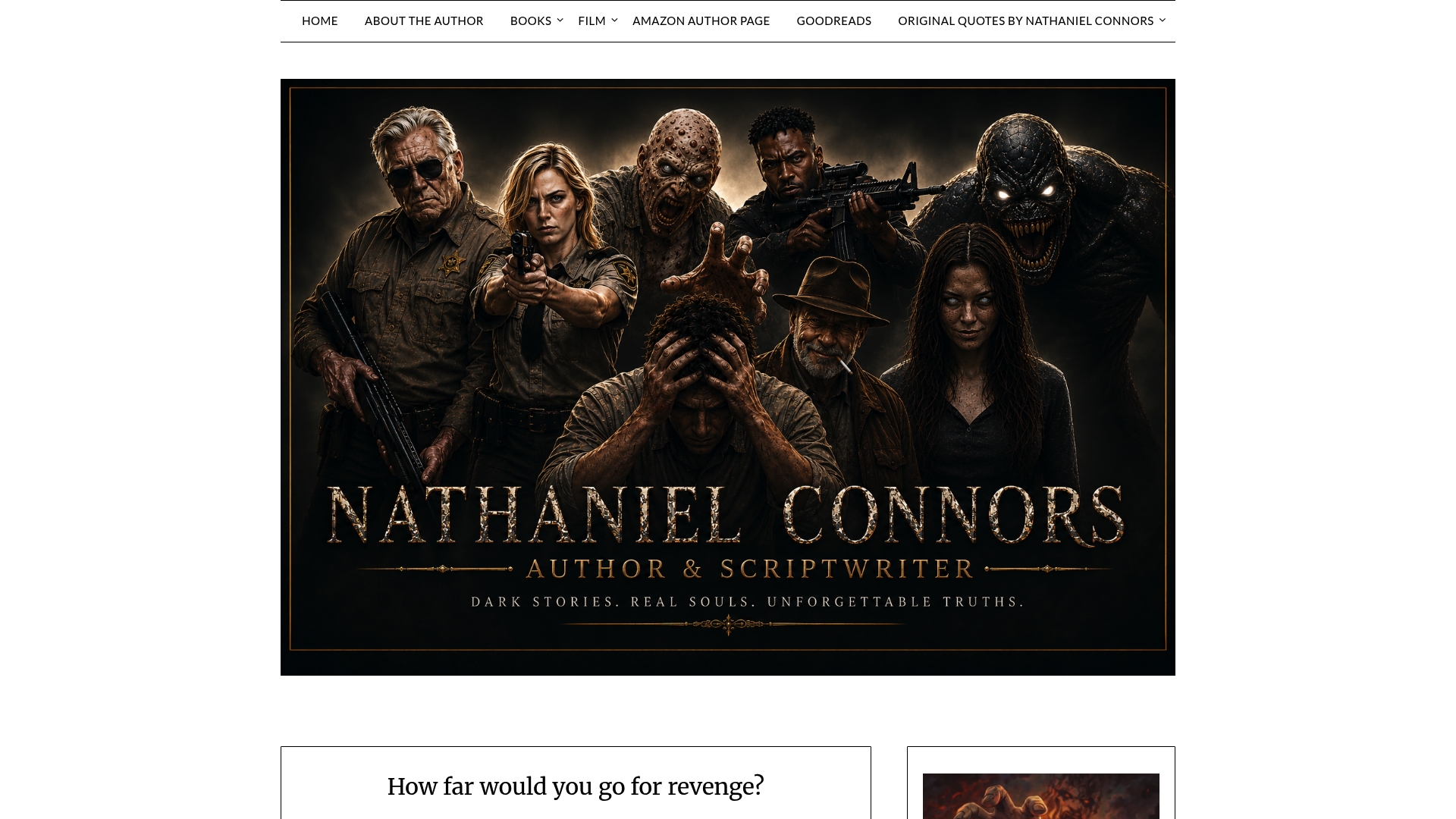
Nathanielconnors

A few entry points:

  • ‘The Nether’: a dystopian supernatural thriller built around guilt and the forces that outlast it.
  • ‘Stories of a Condemned Soul’: character studies steeped in redemption and quiet dread.
  • ‘Evolution A200: A Bubonic Apocalypse’: a dystopian horror that pushes survival and moral collapse to the front.

Use the “Look inside” feature on any title to sample the voice and pacing before committing, or borrow the full book through Kindle Unlimited with no added cost. Visit the Nether Series and EA200 Series landing page to see formats and start reading.

Sources

The factual claims about Kindle Unlimited and the genre framing above draw on a small set of primary and critical sources.

  • What is Kindle Unlimited? (About Amazon)
  • 10 works of literary horror you should read (Literary Hub)
  • How KDP Select and Kindle Unlimited royalties work (KDP)

FAQ

What does “supernatural horror” mean in this context?

It refers to horror fiction where paranormal elements, hauntings, demonic forces, or other uncanny presences, drive the plot, but the deeper focus stays on a character’s psychology: trauma, guilt, and obsession. The scares come from sustained dread and ambiguity rather than explicit violence.

How do I know if a book is available on Kindle Unlimited?

Check the book’s Amazon product page for the Kindle Unlimited badge, which marks titles you can read without an added purchase while your subscription is active. You can also search directly within the Kindle Unlimited catalog on Amazon using genre terms.

What’s the difference between slow-burn and fast-paced supernatural horror?

Slow-burn supernatural horror spends more time building atmosphere and character psychology before any major reveal, while faster-paced entries move through plot events more quickly. Reading a sample chapter or checking reviews for terms like “atmospheric” or “slow burn” usually reveals which style a book favors.

Are Nathaniel Connors’s books available on Kindle Unlimited?

Yes, titles including ‘The Nether,’ ‘Stories of a Condemned Soul,’ and ‘Evolution A200: A Bubonic Apocalypse’ are available to read through Kindle Unlimited at no added cost. You can sample any of them using the “Look inside” feature before committing to a full read.

Why do some supernatural horror novels avoid explaining the ghost or force?

Leaving the supernatural element ambiguous keeps tension unresolved and mirrors how literary horror often favors ambiguity over quick explanation to sustain dread. A story that holds back a clear answer tends to stay with readers longer than one that resolves its mystery early.

Recommended
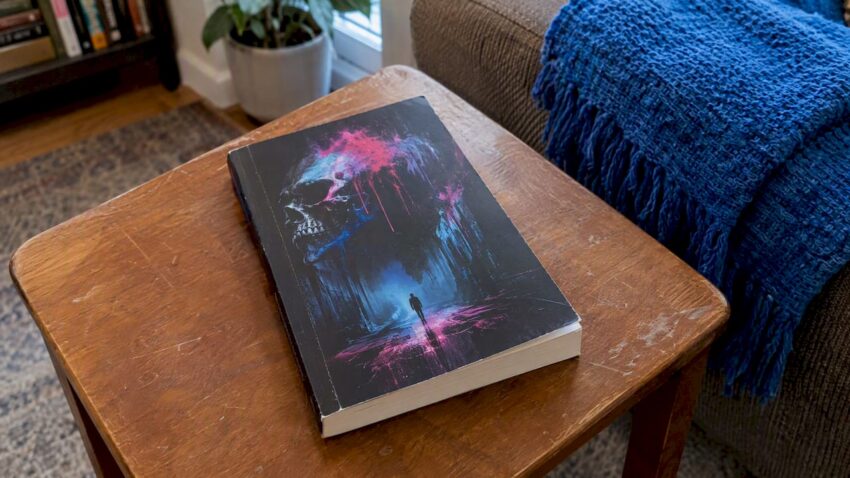
  • Best Kindle Unlimited Horror Books for Subscribers
  • Slow Burn Horror Books: Top Picks for Atmosphere and Dread
  • Kindle Unlimited Psychological Thrillers by Nathaniel Connors
  • Previous
  • 1
  • 2
  • 3
  • Next
  • Facebook
  • Twitter
  • Instagram
  • TikTok
  • Linkedin

Recent Posts

  • Apocalyptic Road Trip Novels Worth the Fuel
  • Evolution A200 Trigger Warnings: What to Know Before You Read
  • Stories of a Condemned Soul: Trigger Warnings and Content Notes
  • Horror Book Content Warnings: A Reader’s Guide
  • Evolution A200 Quotes: Guilt and Survival in Story Context

Recent Comments

No comments to show.

Categories

  • Articles
  • Books
  • Film
  • Kindle Unlimited
  • Social Media
  • Uncategorized
  • October 2026
  • September 2026
  • August 2026
  • July 2026
  • May 2026
  • April 2026
  • December 2021

Share Our Blog

©2026 Nathaniel Connors | Dystopian Horror & Thriller Fiction