If you searched for an Evolution A200 analysis, you want the book, not the fund of the same name. Evolution A200: A Bubonic Apocalypse is a 2019 dystopian horror novel by Nathaniel Connors. It is less about the plague than about the person who let it out. This analysis covers the premise, the structure, the themes, the characters and the way the horror works, with no major spoilers past the setup.
TL;DR
- Evolution A200 follows a bubonic plague released from a Roman tomb that crosses Europe and reaches the US East Coast, where a small Maine town becomes a refuge for survivors.
- The engine of the book is guilt. Dr. Katherine Nelson recognizes her part in the outbreak and tries to put it right.
- The infection is adaptive, not mindless, so the dread comes from intelligence and consequences as much as from gore.
- It works best for readers who want character-driven dystopian horror, and it is the first of two novels in the series.
- Our books are described as available on Kindle Unlimited, so check the current listing before you buy.
Table of Contents
- What the book is about
- How the story is built
- The central theme: guilt and responsibility
- The plague as a character
- Characters and how they carry the horror
- What readers say
- Perspective: why guilt makes better horror than gore
- Where it sits in the series
- Read it yourself
- How to read it for the themes
- FAQ
- Sources
What the book is about
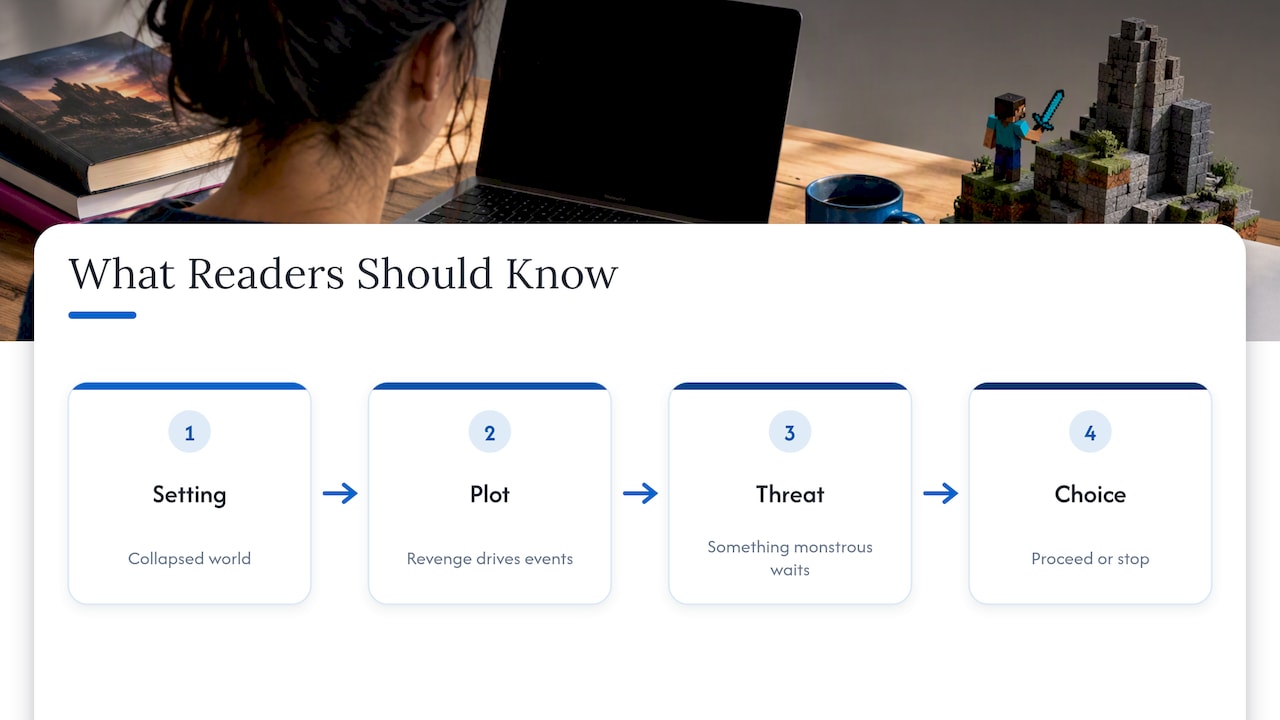
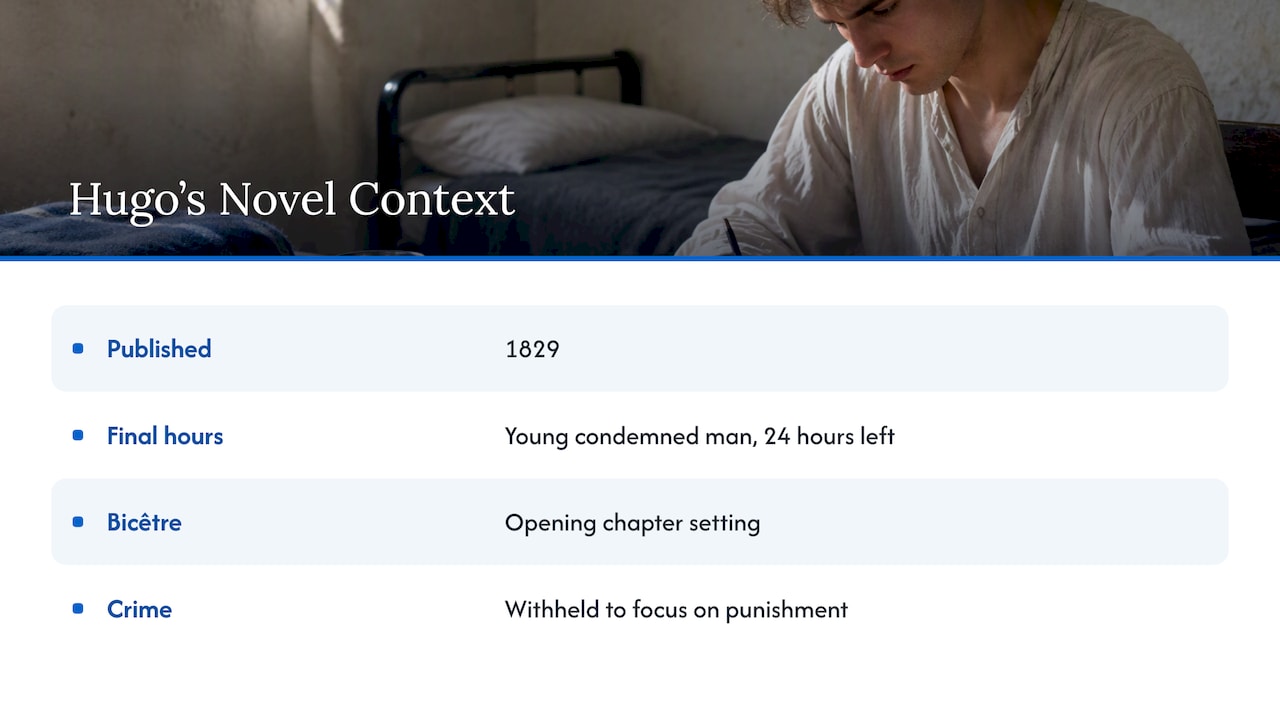
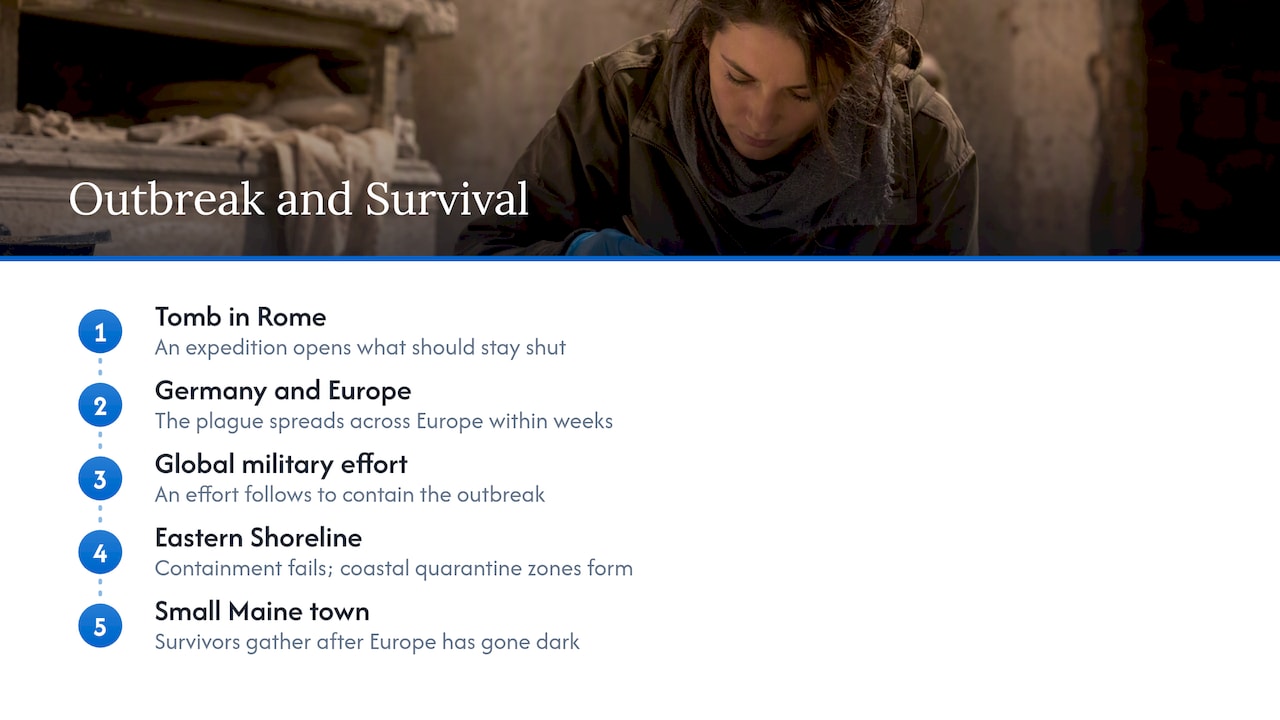
The setup is simple and old: an expedition opens something that should have stayed shut. According to the Amazon listing, the outbreak starts in a tomb in Rome, moves into Germany and consumes mainland Europe within weeks. A global military effort follows to contain it.
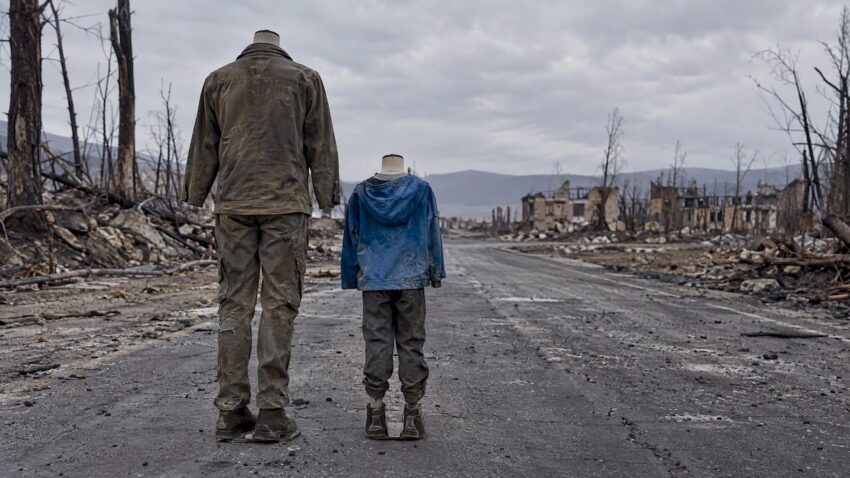
The containment fails. The same listing describes the plague reaching the US Eastern Shoreline, where coastal quarantine zones form in a country that was not ready for them. A Goodreads synopsis places the survival story in a small town in Maine, which becomes a gathering point for survivors after Europe has gone dark.
A reader write-up on the BookStock Festival blog frames it as an ancient plague released from captivity, with a town forced to band together against a virus that mutates in order to survive. Three ideas run through all of these summaries: a release, a spread and a virus that learns.
How the story is built
The novel moves in widening and then narrowing circles. It opens at the point of origin, widens to a continent, and then closes in on a few people in one town. That shape matters for the reader.

From global to local
Most pandemic fiction picks one scale and stays there. Evolution A200 uses both. The European collapse and the military response give the story its stakes. The Maine setting gives it faces. Once the infection is reported on the American coast, the questions become small and urgent: how did this spread, is there a cure, and who can be trusted in the next room.
This is a sensible choice for a book that cares about psychology. A global timeline can only show you numbers. A small town can show you what a person does when the numbers turn into a neighbor.
Quarantine as setting
The quarantine zones are the book’s dystopian layer. The synopsis stresses that they were unprepared, and that detail does more work than it first seems to. A prepared society fails in an orderly way. An unprepared one fails through improvisation, rationing, rumor and hard choices made by ordinary people. If you read dystopian horror for the social collapse more than for the monsters, this is where the book pays off. Our own piece on dystopian horror meaning explains why that collapse, and not the creature, is often the real antagonist.
The central theme: guilt and responsibility
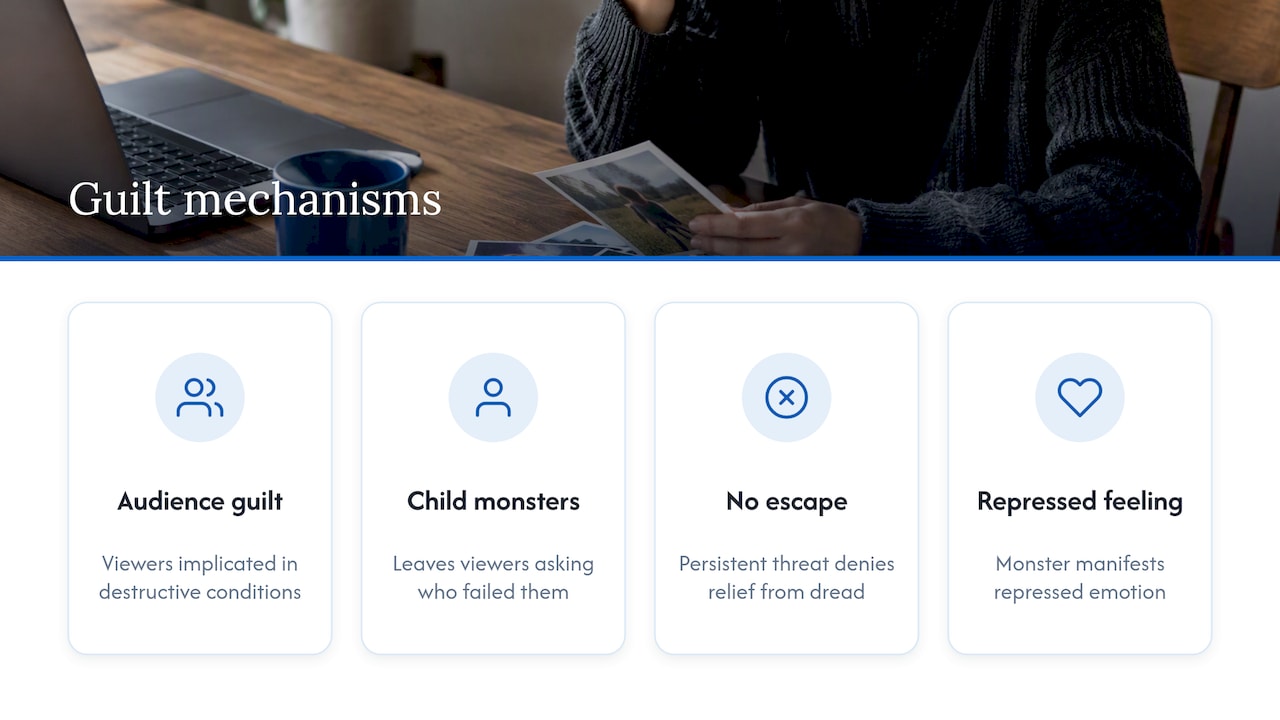
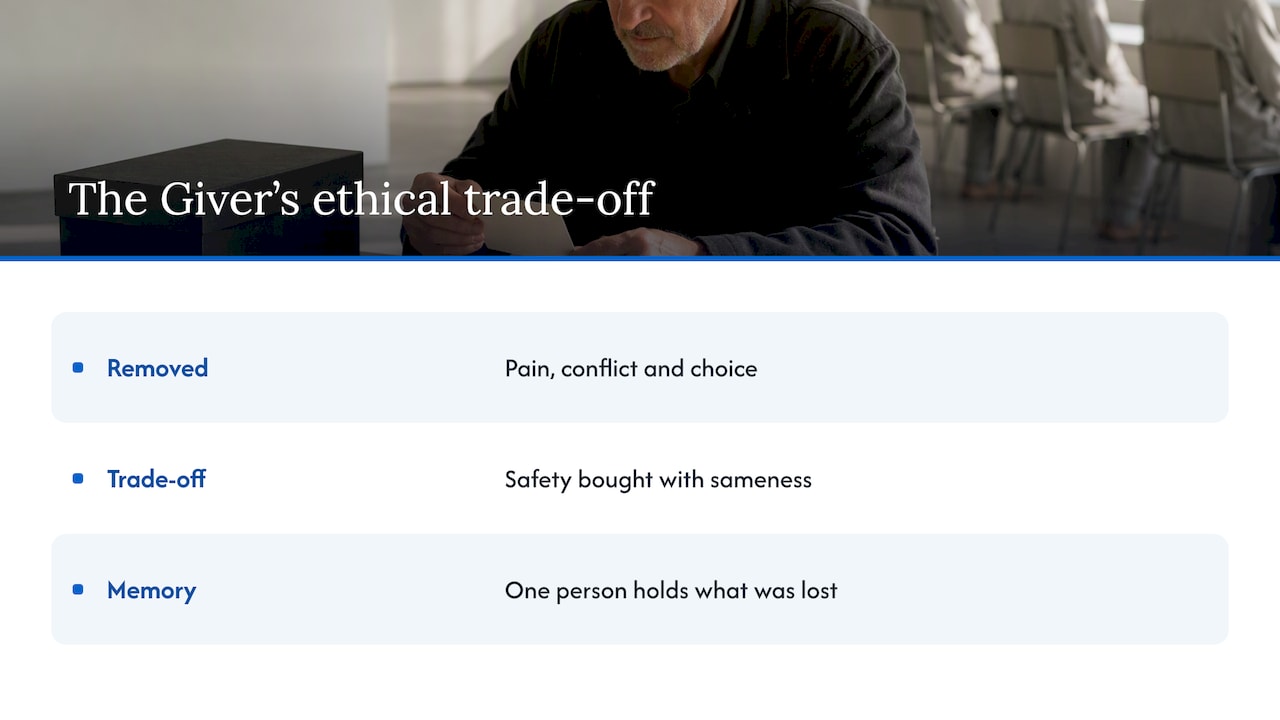
The most useful way to read this novel is as a story about consequences. The synopsis on Goodreads identifies Dr. Katherine Nelson as someone who recognizes her role in unleashing the plague, and who begins another expedition to “right” her wrongs.
That sets the book apart from the usual outbreak template, in which the cause is an accident or a faceless lab. Here the cause has a name, a conscience and a reason to act. Three things follow from that choice.
- Blame has an address. The reader always knows who started it, so the tension is not “who did this” but “what do you do when it was you.”
- Redemption is a plot, not a mood. Nelson’s second expedition turns remorse into movement. She cannot simply grieve, because the plague is still spreading.
- Survival and atonement pull in opposite directions. Staying safe in a quarantined town is rational. Going back toward the source is not. The best scenes sit in that gap.
The same preoccupation runs through the rest of the author’s work, from revenge and guilt to redemption. If you want to see how a guilt-driven premise is built on the page, our dystopian ethics books list collects novels that put a conscience under pressure in a similar way.
The plague as a character
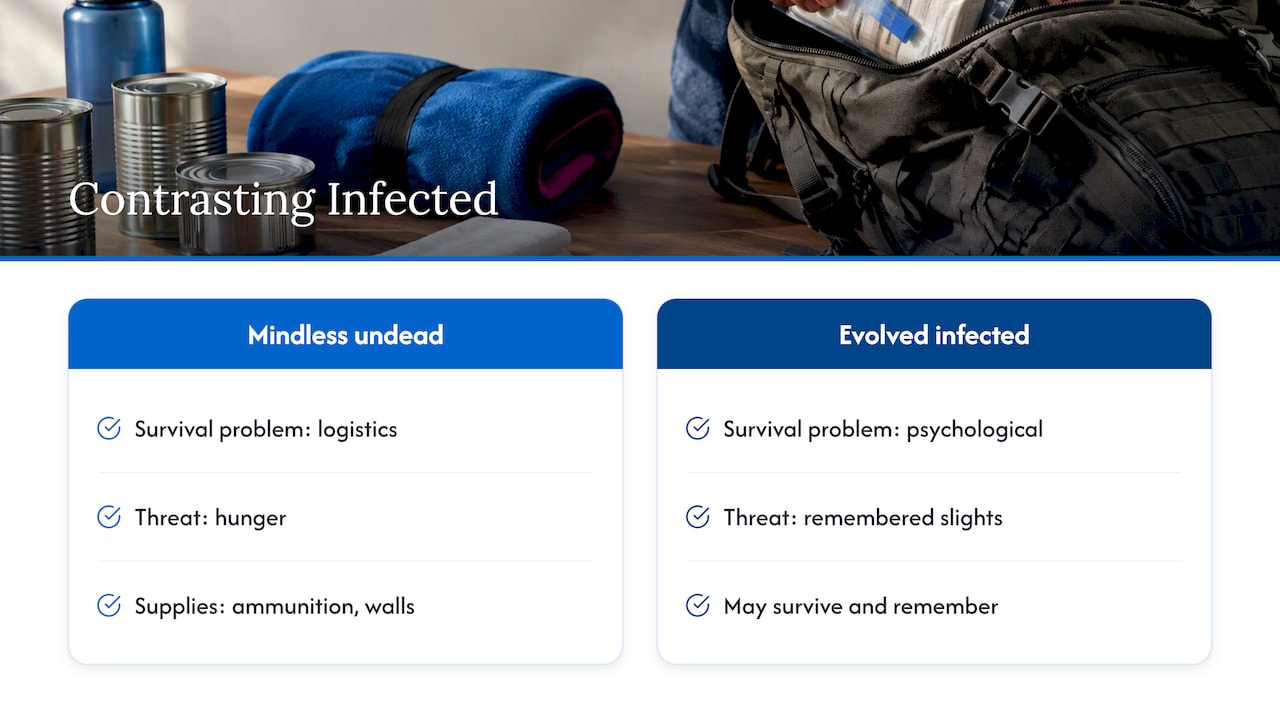
The book’s second big idea is that the infection is not a stock zombie plague. The Goodreads synopsis says the virus evolved beyond mindless undead, and one independent reader on the same page describes the infected as smart enough to organize an undead army.
That changes the horror in practical ways.
- No safe pattern. A mindless threat can be outlasted with a routine. An adaptive one punishes routine.
- Time works against the living. If the virus evolves, every week of delay makes the eventual cure harder to find. This gives the Maine chapters a ticking clock without a literal timer.
- The title becomes a thesis. “Evolution” is not decoration. The plague is changing, and so are the survivors, who have to decide what they are willing to become.
The subtitle, A Bubonic Apocalypse, also does historical work. A bubonic plague is a disease readers already associate with Europe, with quarantine and with fear of contagion. Connors takes that old fear and moves it into a modern setting with modern failures of preparation. Placing the origin in a Roman tomb adds a second layer, the idea that the past is not finished with us.
Characters and how they carry the horror
We will not walk through every character, because the pleasure of a first read is meeting them. But three roles are worth understanding.
The one who caused it
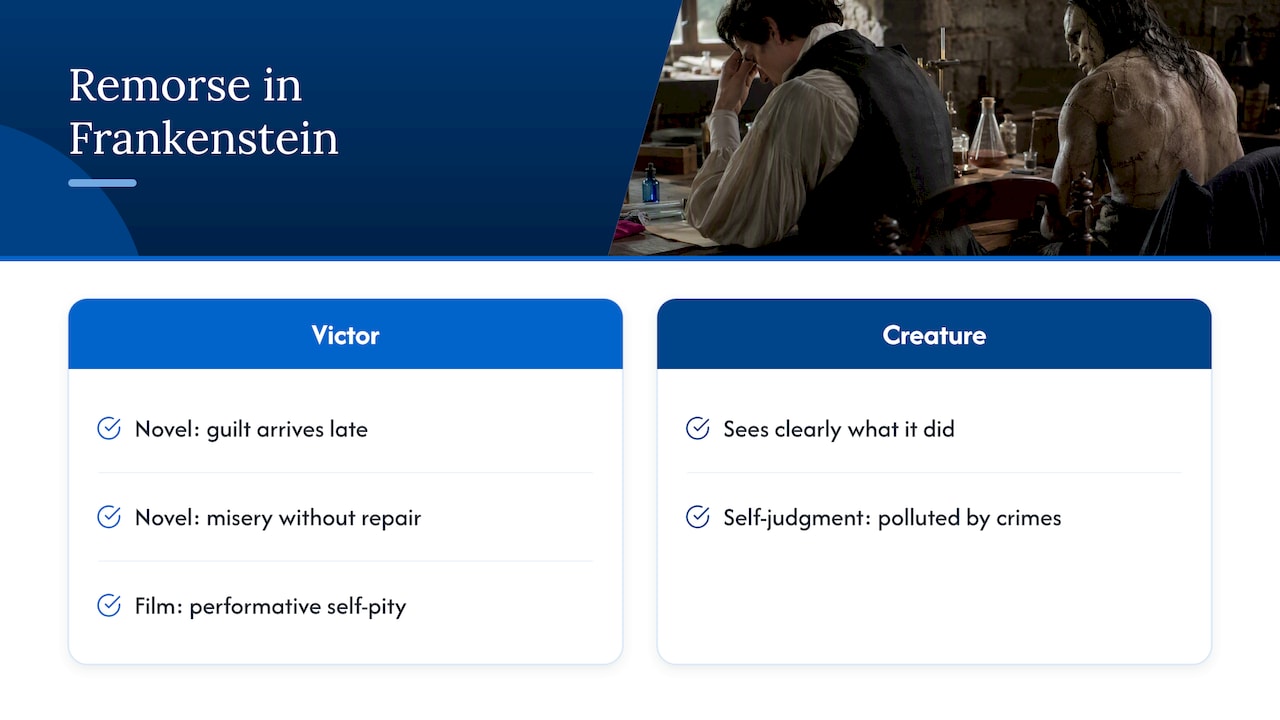
Dr. Nelson is the moral center. Her arc is the clearest expression of the book’s argument that responsibility does not expire when the situation becomes too big. Readers who like flawed protagonists, people who are competent and wrong at the same time, will find her the strongest hook.
The town
The Maine community is a character in its own right. A small town under strain is a classic horror setting for a reason: everyone knows everyone, so fear has a history. People who survive a collapse together bring old grudges and old kindnesses into the new situation. The reviewer summaries describe the town as an epicenter for survivors, which means it is crowded, scared and asking questions it cannot yet answer.
The infected
Because the infection adapts, the infected are written as a force with direction, not as scenery. That is what keeps the horror psychological. You are not only afraid of being bitten. You are afraid of being outthought.
What readers say
The Amazon page shows the book at a 4.3 rating from 33 reviews, and lists Amazon Digital Services LLC as the publisher. That is a modest sample, so treat it as a signal, not a verdict. The praise that recurs in reader summaries centers on the adaptive plague and the small-town survival setting. If you want a closer look at how readers responded and what held some of them back, our Evolution A200 review goes through it in detail.
One honest note on fit: this is a book that gives its characters room to feel guilt, which means the pace is not wall-to-wall action. Readers who want a nonstop siege will find the reflective stretches slower. Readers who liked the idea of a plague story with a conscience will likely find those stretches the point.
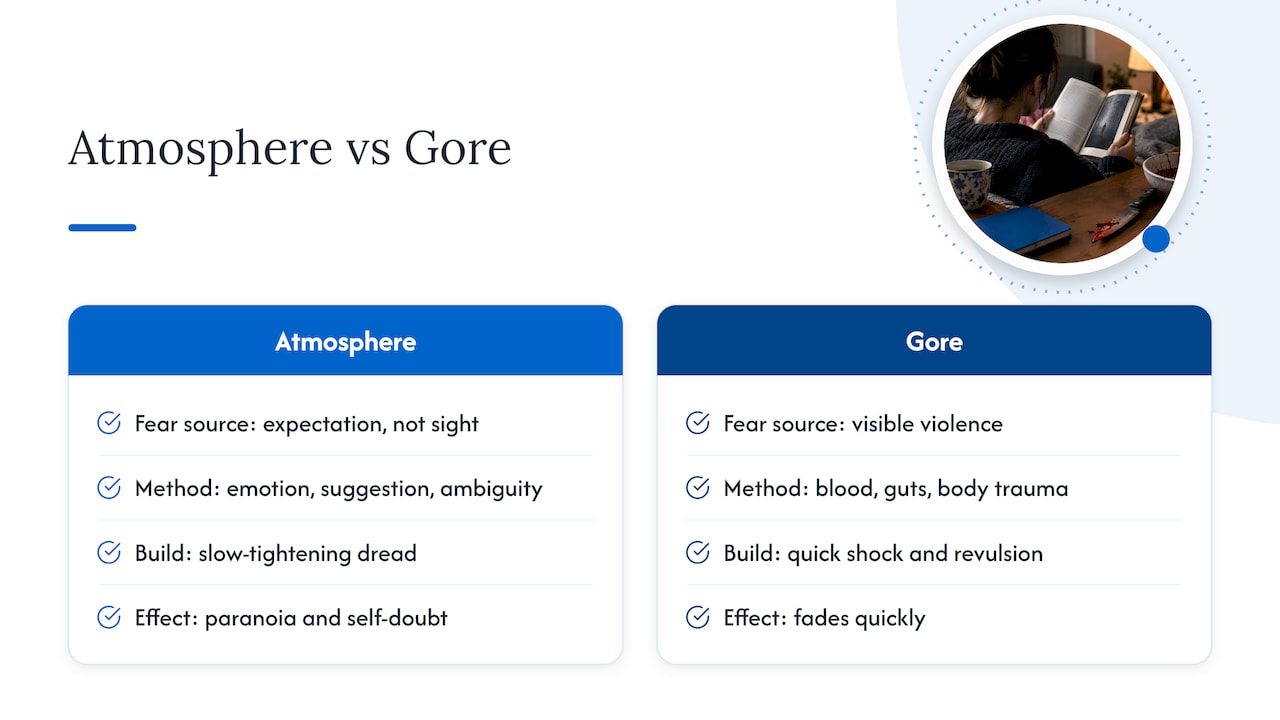
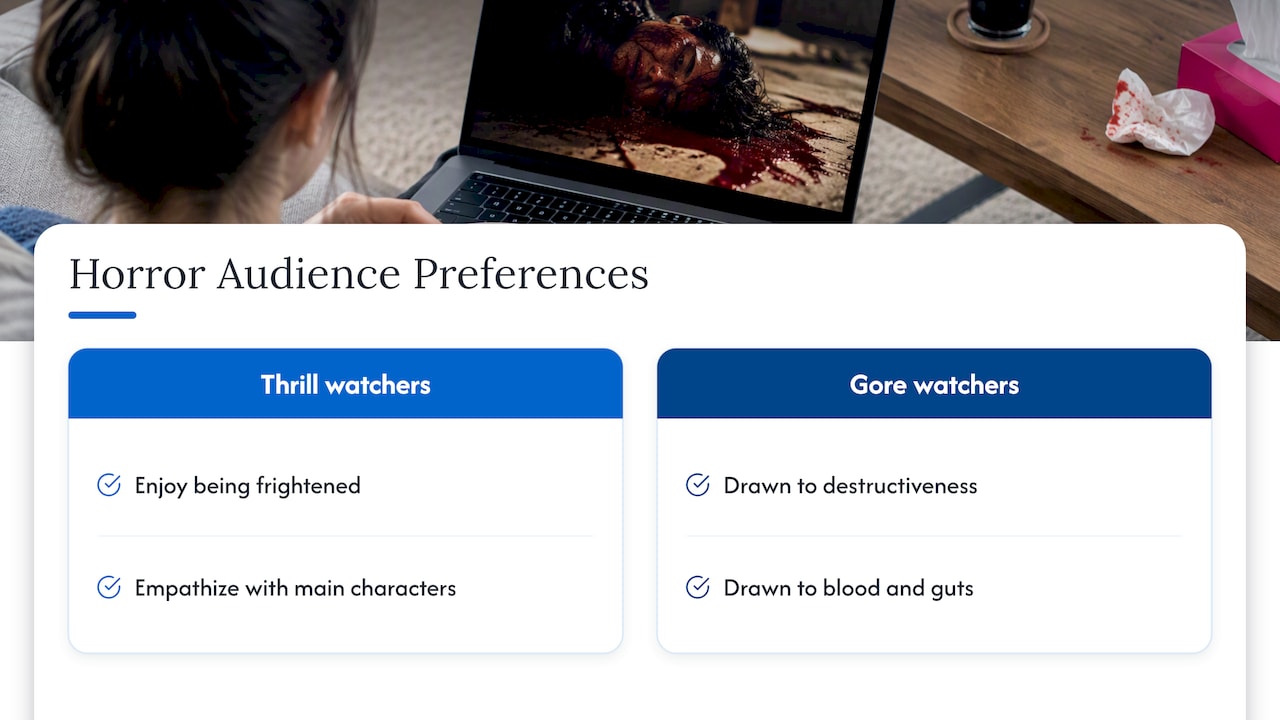
Perspective: why guilt makes better horror than gore
We write dark supernatural fiction because the scariest thing in any room is rarely the monster. It is the person who knows what they did. When we built Evolution A200, the question we cared about was not how many people the plague could reach, but what it would do to the one person who understood her part in it.
Our view is that an apocalypse is only as frightening as the choices inside it. A virus that spreads is a statistic. A virus that spreads because someone made a decision, and who then has to live in the world that decision made, is a story. That is why guilt, revenge and redemption keep returning in everything we publish, from The Nether to Stories of a Condemned Soul.
We also think readers deserve a book that stays with them. If you close it and keep arguing with a character a week later, the book did its job.
— Nathaniel
Where it sits in the series
Evolution A200 is the first of two novels. The second, Evolution A200: Radio Silence, continues the story, and we announced that both are now available in our post The Plague Has Spread. Read them in order. The first book sets up Nelson’s guilt and the plague’s evolution, and the second depends on both.
If you are deciding whether this is your kind of material, two companion pages help. Our trigger warnings guide lists what to know before you start, and our pandemic apocalypse books roundup shows where the novel sits among others of its type.
Read it yourself
The book is available as an ebook and a paperback on Amazon, and our books are described as free to read for Kindle Unlimited subscribers. Amazon has changed how it names and packages its subscription service over time, and the page excerpt we checked did not itself confirm subscription inclusion, so look at the current listing before you count on it. You can start with the Evolution A200: A Bubonic Apocalypse book page, and browse the full set of Nathaniel Connors’s books.

If you finish the first novel and want the continuation, Evolution A200: Radio Silence picks up where it ends.
How to read it for the themes
If you are reading with a book club, a class or just a notebook, a few prompts get you further than a plot recap.
- Track responsibility. Note every moment a character either accepts or dodges blame. Compare how the town handles it with how Nelson does.
- Watch the plague’s changes. Mark each point where the infected behave in a way that surprises the characters. Ask what the survivors assume, and what that assumption costs them.
- Separate fear from dread. Fear is the chase scene. Dread is the quiet chapter where someone realizes what is coming. Count how many of each you find.
- Ask what redemption means here. Does Nelson’s second expedition repair anything, or only give her something to do with her guilt? The book lets you argue either side.
These questions are also a good way to compare the book with other dystopian horror, because they work on any story in which a society, and not just a person, is under siege.
FAQ
Is Evolution A200 a zombie novel?
It has the infected, but the synopsis describes a virus that evolved beyond mindless undead, and one reader calls the zombies smart enough to organize. So it reads closer to adaptive-plague horror than to a classic shambling-dead story. The threat thinks, which changes how the survivors have to behave.
Do I need to read the second book?
The first book is the one to start with. It sets up the outbreak, Nelson’s guilt and the evolving virus. Radio Silence is the second of two novels, so read it afterward if you want the story to continue.
Where does the story take place?
It begins in a tomb in Rome, spreads through Germany and across mainland Europe, then reaches the US Eastern Shoreline. The main survival setting in the US is a small town in Maine. Quarantine zones along the coast frame the larger dystopian backdrop.
Is it a good fit for psychological horror readers?
Yes, if you value guilt, responsibility and moral pressure over constant action. The horror comes from an intelligent infection and from characters facing the results of what they did. Check the trigger warnings page first if you are sensitive to plague, death or quarantine themes.
Is it on Kindle Unlimited?
Our books are described as available through Kindle Unlimited for subscribers. Subscription catalogs change, so confirm on the current Amazon listing. It is also sold as an ebook and a paperback.
Sources
- Evolution A200: A Bubonic Apocalypse on Goodreads
- BookStock Festival: Evolution A200: A Bubonic Apocalypse